In this presentation, Dr. SHIVA Ayyadurai, MIT PhD, Inventor of Email and Independent Candidate for President of the United States, explores the powerful benefits of the herb Licorice for Ulcerative Colitis. Using a Systems Health® approach and the CytoSolve® technology platform, he provides a scientific and holistic analysis of how Licorice supports Ulcerative Colitis.
Disclaimer
This content is for informational and educational purposes only. It is not intended to provide medical advice or to take the place of such advice or treatment from a personal physician. All readers/viewers of this content are advised to consult their doctors or qualified health professionals regarding specific health questions. Neither Dr. Shiva Ayyadurai nor the publisher of this content takes responsibility for possible health consequences of any person or persons reading or following the information in this educational content. All viewers of this content, especially those taking prescription or over-the-counter medications, should consult their physicians before beginning any nutrition, supplement, or lifestyle program.
Key Takeaways
- Licorice supports ulcerative colitis through a systems-level mechanism—reducing inflammation by inhibiting NF-κB, lowering oxidative stress, and strengthening the intestinal barrier. Its bioactive compounds act across multiple pathways, making it more effective than single-target approaches.
- Both traditional medicine and modern systems biology confirm its role in gut healing and immune regulation. However, it is not a universal solution—its effectiveness depends on individual physiology and overall system balance.
- A comprehensive approach is essential. Combining licorice with targeted formulations like DigesTea, D3.K2.Mg™, and Zn.Cu.Que™ can provide broader support for gut and immune health.
- The key shift is moving from symptom-based treatment to a systems mindset—understanding your body, personalizing interventions, and actively taking control of your health.
Introduction to a Systems-Based Understanding of Health
Modern health challenges cannot be understood through isolated variables. They emerge from interconnected systems—biological, environmental, and societal—that interact in complex ways. A reductionist approach, which focuses on individual symptoms or pathways, often fails to capture the deeper dynamics driving disease. A systems-based framework, by contrast, allows us to examine how multiple factors converge to influence health outcomes.
This perspective is especially relevant when examining chronic conditions such as ulcerative colitis. Rather than viewing it as a localized disorder of the gut, a systems approach recognizes it as the result of multiple interacting forces, including immune dysregulation, oxidative stress, environmental exposures, and lifestyle patterns. Understanding these interactions provides a foundation for identifying meaningful interventions.
Within this framework, natural compounds such as licorice emerge not merely as isolated remedies but as multi-target agents capable of influencing several pathways simultaneously. This blog explores how licorice supports individuals with ulcerative colitis through a systems science lens, integrating traditional knowledge, molecular biology, and computational modeling.
The Broader Context: Declining Health in a Complex System
When examining population-level health data, a concerning pattern emerges: declining lifespan alongside increasing cost of living. These trends are not random but reflect systemic imbalances that have been developing over decades. Multiple factors contribute to this trajectory, including degradation of immune resilience, reduced access to clean nutrition, fragmented education systems, and economic pressures.
Healthcare systems often focus on managing symptoms rather than strengthening the body as an integrated system. Nutrition, a foundational pillar of health, has become increasingly compromised due to the prevalence of highly processed foods. At the same time, educational systems rarely equip individuals with the tools needed to understand complex systems or take control of their own health.
This convergence of factors creates a landscape where chronic diseases, including gut disorders, become more prevalent. Addressing these issues requires a shift away from dependency on external systems toward empowerment through knowledge and self-directed action.
Licorice: The Root of Remedy
Licorice, often referred to as “the root of remedy,” is a perennial herb with a long history of use across cultures. Found in approximately thirty species worldwide, it has been widely utilized in both culinary and medicinal contexts. The root of the plant is the most valuable component, traditionally used to address digestive, respiratory, and neurological conditions.
Ancient civilizations recognized its therapeutic potential. Egyptian, Greek, and Roman practitioners used licorice for respiratory ailments and general vitality. Hippocrates recommended it for its ability to relieve thirst and fluid imbalance, while Dioscorides documented its use in treating stomach and intestinal ulcers.
In traditional Chinese medicine, licorice has been used to enhance strength, improve endurance, and support skin and neurological health. Its versatility across systems underscores its role as a multi-functional therapeutic agent rather than a single-purpose remedy.
Licorice, derived primarily from the roots of Glycyrrhiza glabra and related species, holds one of the longest and most geographically widespread histories in traditional medicine. Its use spans thousands of years across multiple civilizations, where it was valued not only for its distinctive sweetness but also for its broad therapeutic applications. The consistency with which licorice appears across independent healing traditions underscores its significance as a foundational medicinal herb.
Ancient Egyptian and Middle Eastern Traditions
Licorice was highly prized in ancient Egypt, where it was used both as a medicinal remedy and a ceremonial beverage. Archaeological evidence reveals that licorice roots were included in the tomb of Tutankhamun, indicating their importance in both life and the afterlife. Egyptians prepared a drink known as “Mai-sus,” a sweet infusion made from licorice root, which was consumed to soothe digestive discomfort and respiratory irritation.
In broader Middle Eastern traditions, licorice became a staple remedy for throat conditions, cough, and gastric disturbances. Its demulcent properties—its ability to form a soothing film over mucous membranes—made it especially valuable in hot, arid climates where dehydration and irritation were common. Practitioners recognized its capacity to restore moisture and calm inflamed tissues, particularly in the gastrointestinal and respiratory systems.
Greek and Roman Medicine
In classical Greek medicine, licorice was documented extensively by Hippocrates, who recommended it for relieving thirst and treating respiratory ailments. Its ability to retain moisture in the body made it particularly useful for individuals suffering from dry coughs or fluid imbalances. Later, the physician Dioscorides described licorice in his seminal work De Materia Medica, noting its effectiveness in treating stomach ulcers, liver conditions, and inflammation.
The Romans adopted and expanded upon Greek uses of licorice. Soldiers reportedly carried licorice root during long marches to help reduce thirst and sustain endurance. Roman physicians also used it as a remedy for bronchial congestion and gastrointestinal distress, recognizing its dual action in soothing tissues and supporting systemic balance.
Traditional Chinese Medicine
Within Traditional Chinese Medicine, licorice—known as “Gan Cao”—is considered one of the most important and frequently used herbs. It is often referred to as a “harmonizing herb,” meaning it is used to balance and enhance the effects of other ingredients in complex herbal formulations.
Licorice in TCM is associated with strengthening the spleen and stomach, replenishing Qi (vital energy), and moistening the lungs. It is commonly used to treat conditions such as fatigue, digestive weakness, cough, and palpitations. Its role extends beyond direct therapeutic action; it is frequently included in formulas to reduce toxicity and improve the overall synergy of herbal combinations.
The concept of harmonization reflects an early systems-level understanding of medicine, where licorice was not just a standalone remedy but a modulator of broader physiological interactions.
Ayurvedic Medicine
In Ayurveda, licorice is known as “Yashtimadhu,” meaning “sweet root.” It has been used extensively to balance the body’s doshas, particularly Vata and Pitta. Ayurvedic practitioners value licorice for its cooling, soothing, and rejuvenating properties.
Traditionally, it has been used to treat gastric ulcers, acid reflux, and inflammatory conditions of the digestive tract. Its demulcent nature makes it especially effective in protecting the mucosal lining of the stomach and intestines. In addition, licorice has been used for respiratory conditions, skin disorders, and as a general tonic to promote longevity and vitality.
Ayurveda also emphasizes its role in Rasayana therapy, a category of treatments aimed at rejuvenation and strengthening of the body. In this context, licorice is seen as a herb that supports long-term health by enhancing resilience and restoring balance.
European Herbalism and Medieval Use
During the medieval period in Europe, licorice became a central component of monastic medicine. Monks cultivated licorice in herbal gardens and used it to prepare remedies for a variety of ailments, including sore throat, indigestion, and chest congestion.
Licorice was also widely used in early European pharmacopeias as a base ingredient in syrups and tonics. Its natural sweetness made it an ideal medium for delivering other medicinal compounds, particularly in an era when palatability was a major challenge in treatment compliance.
By the Renaissance, licorice had become a standard remedy in European herbal medicine, with documented uses for liver support, inflammation, and digestive health. Its inclusion in early medical texts reflects its integration into both folk and formal medical systems.
Indigenous and Folk Medicine Practices
Across various indigenous traditions, licorice has been used as a versatile healing agent. In Central and South Asia, it has been incorporated into remedies for digestive disorders and immune support. In some African traditions, licorice root has been used to treat infections and inflammatory conditions.
Folk medicine often emphasized its accessibility and effectiveness. Licorice teas, decoctions, and powders were commonly prepared using simple methods, making it a practical remedy for communities without access to formal healthcare systems.
These traditions highlight an important aspect of licorice’s history: its role as a widely available, community-level medicine that could be used safely and effectively across diverse populations.
Evolution into Modern Herbal and Functional Use
As scientific methods advanced, licorice transitioned from traditional use into modern phytotherapy. Researchers began isolating its active compounds, such as glycyrrhizin and glabridin, and studying their pharmacological effects. This led to a deeper understanding of its anti-inflammatory, antioxidant, and mucosal-protective properties.
Today, licorice is used in a variety of forms, including extracts, teas, capsules, and functional foods. It remains a key ingredient in formulations targeting digestive health, respiratory support, and immune modulation. Its historical role as a harmonizing and system-supporting herb continues to influence its application in modern integrative medicine.
Continuity Across Time and Systems
What is remarkable about licorice is the continuity of its use across time and cultures. Despite differences in medical philosophies, civilizations consistently identified similar benefits—soothing inflammation, protecting the digestive system, and supporting overall vitality.
This convergence suggests that licorice’s effects are not merely anecdotal but reflect real, observable interactions within the human body. Modern systems biology now provides the tools to understand these interactions at a molecular level, validating many of the insights developed through traditional knowledge.
Journey to systems
So that’s the VASHIVA Truth Freedom Health movement. And I’ll come back to that. But the foundation of that is really a Systems Approach. So when we look at something like Astragalus, we want to take a Systems Approach to looking at it. The scientific approach of reductionism–where you just look at one little piece of something–is a way that, in many ways, you can fool yourself or those in power can take advantage of you in anything–be it science, be it understanding politics, be it having an argument. When you take an interconnected Systems approach, you get a much better view closer to the truth. So as people are coming in, let me just, I have a new video that I put together that really encourages people to, you know, sort of share my personal Journey to Systems, and you can look at it how your own life has gone. So let me just share this with everyone.
Licorice’s enduring presence in medicine—from ancient tombs to contemporary research—illustrates its unique position as a bridge between traditional wisdom and modern science.
Understanding Gut Health and Ulcerative Colitis
Gut health represents the overall functionality and integrity of the digestive system. Disruptions in this system can arise from a wide range of factors, including stress, aging, dietary imbalances, and medication use. Symptoms such as bloating, abdominal pain, diarrhea, and inflammation often signal deeper systemic issues.
Ulcerative colitis, affecting millions globally, is a chronic inflammatory condition of the colon characterized by mucosal damage and persistent inflammation. It is not caused by a single factor but results from a combination of genetic predisposition, immune dysfunction, microbial imbalance, and environmental triggers.
Maintaining gut health requires a multifaceted approach. Balanced nutrition, avoidance of irritants such as excessive NSAID use, and support for the microbiome through prebiotics and probiotics all play important roles. However, these interventions must be integrated within a broader systems framework to achieve lasting impact.
The CytoSolve® Approach to Systems Biology
To address complex conditions like ulcerative colitis, a structured methodology is required. The CytoSolve® platform provides such a framework, enabling the integration of molecular data into comprehensive models of biological systems.
The process begins with mapping molecular pathways through an extensive literature review. These pathways are then translated into mathematical models that describe their dynamic behavior. By simulating interactions between pathways, researchers can evaluate how different compounds influence the system as a whole.
This approach progresses through multiple stages, including systems architecture, publication, in silico modeling, combination screening, and ultimately product development. Unlike conventional methods that focus on single targets, this framework enables the identification of synergistic combinations that address multiple aspects of disease simultaneously.
Product Ecosystem Developed Through Systems Science
The application of this methodology has led to the development of several products and initiatives. mV25™ represents a complete end-to-end implementation, targeting osteoarthritis through a combination of natural ingredients identified via computational modeling. This product demonstrates how systems science can translate into practical solutions.

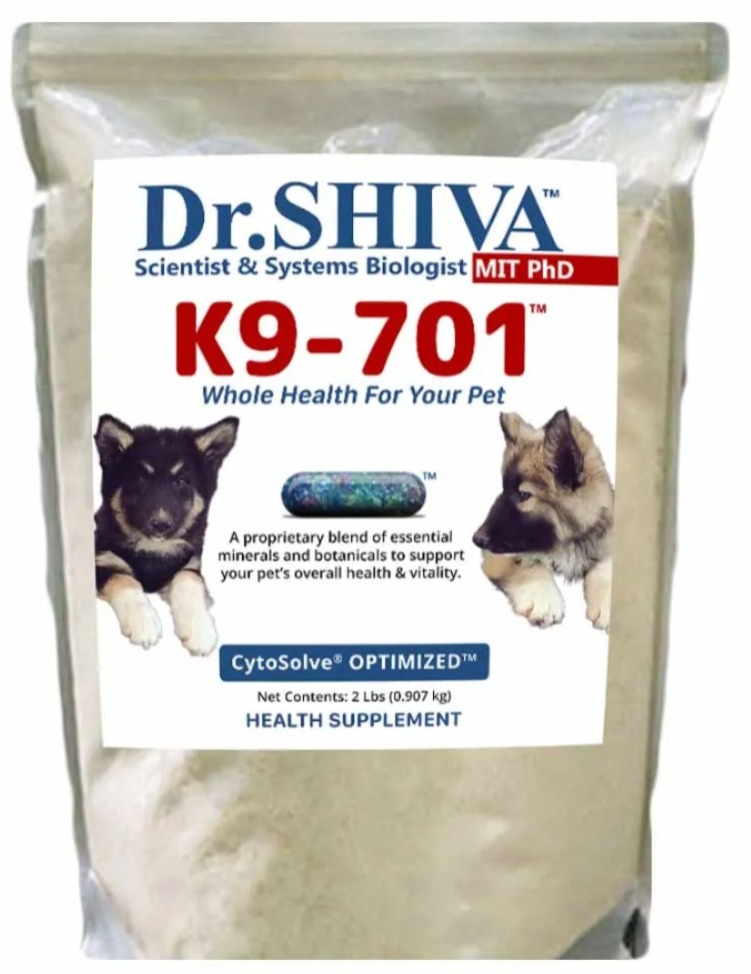
K9-701™ extends this approach to animal health, combining numerous natural compounds to support overall pet well-being. Similarly, the Healthy Tea™ range includes seven blends—Joint Tea, Digest Tea, Breathe, Tranquili Tea, Detoxy Tea, Femini Tea, and Immuni Tea—each designed to target specific physiological systems.
YourT™- collection further personalizes this approach, offering formulations tailored to different dosha profiles, including Vata, Pitta, Kapha, and their combinations. Within this ecosystem, DigesTea is particularly relevant for gut health, providing a blend designed to support digestive balance.

Additional formulations such as D3.K2.Mg™ – Immune Foundation™ and Zn.Cu.Que™- Immune Activation™ highlights the integration of micronutrients to support immune function.
Molecular Composition of Licorice
Licorice contains a complex array of bioactive compounds that contribute to its therapeutic effects. These include essential minerals such as calcium, magnesium, potassium, zinc, and selenium, as well as vitamins B1, B2, B3, and B6.
More importantly, licorice is rich in specialized bioactive compounds, including glycyrrhizin, glycyrrhetinic acid, glabridin, licochalcone C, quercetin, glycyglabridin, hipaglabridin B, glabrocoumarin, and liquiritigenin. These compounds interact with multiple biological pathways, enabling licorice to exert anti-inflammatory, antioxidant, antimicrobial, and protective effects.
The diversity of these compounds allows licorice to function as a systems-level modulator, influencing processes across different organ systems.
Biological Effects of Licorice
Licorice exhibits a wide range of biological activities, including anti-ulcer, anti-inflammatory, antioxidant, neuroprotective, and hepatoprotective effects. Its ability to act across multiple pathways distinguishes it from conventional treatments that typically target a single mechanism.
These effects extend beyond gut health to conditions such as asthma, dermatitis, metabolic disorders, and neurodegenerative diseases. The breadth of its impact reflects its role as a multi-system regulator rather than a narrowly defined therapeutic agent.
Mechanisms of Action in Ulcerative Colitis
At the molecular level, ulcerative colitis is driven by inflammatory signaling pathways, particularly those involving NF-κB. Activation of toll-like receptors initiates a cascade that leads to the degradation of inhibitory proteins and the activation of NF-κB, resulting in the production of inflammatory cytokines.
Licorice interferes with this process by inhibiting NF-κB activation, thereby reducing cytokine production and inflammation. This mechanism directly addresses one of the central drivers of ulcerative colitis.
In addition to its anti-inflammatory effects, licorice supports the integrity of the intestinal mucosal barrier. Enhancing the expression of tight junction proteins such as claudin-1, occludin, and ZO-1, it helps maintain the structural integrity of the gut lining. Its antioxidant properties further protect against oxidative stress, reducing tissue damage and promoting healing.
Ulcerative colitis is not a single-pathway disease. It is a multi-layered inflammatory disorder driven by immune dysregulation, oxidative stress, epithelial barrier breakdown, and microbial imbalance. The therapeutic relevance of licorice lies in its ability to act across several of these layers simultaneously, rather than targeting one isolated mechanism. Its bioactive compounds—particularly glycyrrhizin, glycyrrhetinic acid, and flavonoids such as glabridin—exert coordinated effects on inflammatory signaling, antioxidant defense, and mucosal protection.
Inhibition of NF-κB–Mediated Inflammatory Signaling
One of the central drivers of ulcerative colitis is the activation of the NF-κB signaling pathway. Under inflammatory stimuli, toll-like receptors (TLRs) on intestinal epithelial and immune cells become activated. This triggers a cascade involving IKKα/IKKβ activation, leading to phosphorylation and degradation of IκBα, the inhibitory protein that normally sequesters NF-κB in the cytoplasm.
Once released, NF-κB (p50/p65 subunits) translocates into the nucleus and promotes transcription of pro-inflammatory cytokines such as TNF-α, IL-6, and IL-1β. These cytokines amplify inflammation, recruit immune cells, and perpetuate mucosal injury.
Licorice compounds interfere with this pathway at multiple points. Glycyrrhetinic acid and related molecules suppress IKK activation and stabilize IκBα, preventing NF-κB translocation. As a result, the downstream production of inflammatory cytokines is significantly reduced. This leads to attenuation of chronic inflammation, which is a hallmark of ulcerative colitis progression.
Modulation of Toll-Like Receptor Activation
Toll-like receptors serve as upstream sensors of microbial and environmental signals in the gut. In ulcerative colitis, excessive or dysregulated TLR activation leads to exaggerated immune responses. This contributes to persistent inflammation even in the absence of active infection.
Licorice exerts regulatory effects on TLR signaling, dampening excessive activation. Modulating this upstream trigger, it reduces the intensity of downstream inflammatory cascades. This upstream intervention is critical because it addresses the initiation phase of inflammation rather than only its downstream consequences.
Protection and Restoration of the Intestinal Barrier
A defining feature of ulcerative colitis is the disruption of the intestinal epithelial barrier. This barrier is maintained by tight junction proteins such as claudin-1, occludin, and ZO-1, which regulate permeability and prevent the translocation of harmful substances.
Inflammatory signaling and oxidative stress lead to downregulation and disorganization of these proteins, resulting in increased intestinal permeability, often referred to as “leaky gut.” This further exacerbates immune activation and inflammation.
Licorice plays a protective role by restoring the expression and organization of tight junction proteins. Inhibiting NF-κB signaling and reducing cytokine levels, it creates an environment that supports epithelial repair. Additionally, its direct effects on epithelial cells enhance barrier integrity, reducing permeability and protecting against further injury.
Antioxidant Activity and Reduction of Oxidative Stress
Oxidative stress is a major contributor to tissue damage in ulcerative colitis. Reactive oxygen species (ROS) generated during inflammation damage cellular components, including lipids, proteins, and DNA. This not only injures epithelial cells but also perpetuates inflammatory signaling.
Licorice contains potent antioxidant compounds that neutralize ROS and enhance endogenous antioxidant systems. It increases total antioxidant capacity (T-AOC) and supports enzymes such as superoxide dismutase (SOD), which play a key role in detoxifying reactive species.
By reducing oxidative stress, licorice interrupts the vicious cycle between ROS generation and inflammation. This contributes to decreased cellular damage and improved mucosal healing.
Regulation of Cytokine Networks
Beyond inhibiting NF-κB, licorice also influences the broader cytokine network. It reduces pro-inflammatory cytokines while potentially supporting anti-inflammatory mediators. This shift in cytokine balance is essential for resolving inflammation and promoting tissue repair.
The modulation of cytokine profiles helps transition the gut environment from a pro-inflammatory state to a more regulated and healing-oriented state. This systemic effect is consistent with the multi-target nature of licorice’s bioactive compounds.
Interaction with Immune Cells
Ulcerative colitis involves not only epithelial cells but also immune cells such as macrophages, T cells, and dendritic cells. Licorice compounds influence these cells by reducing activation signals and inflammatory output.
For example, glycyrrhizin has been shown to modulate macrophage activity, reducing the production of inflammatory mediators. It may also influence T-helper cell responses, contributing to a more balanced immune profile.
These effects highlight licorice’s role as an immunomodulator rather than a simple anti-inflammatory agent.
Synergistic Multi-Compound Action
One of the most important aspects of licorice’s mechanism is that it does not rely on a single compound or pathway. Instead, its multiple bioactive components act synergistically across interconnected systems. This aligns with a systems biology perspective, where disease is understood as the result of network-level dysfunction.
Through simultaneous modulation of inflammatory signaling, oxidative stress, epithelial integrity, and immune responses, licorice addresses the core drivers of ulcerative colitis. This multi-layered action differentiates it from conventional therapies that typically target only one aspect of the disease.
Implications for Therapeutic Use
The mechanisms described above suggest that licorice can serve as a supportive intervention in managing ulcerative colitis. Its ability to reduce inflammation, protect the mucosal barrier, and regulate immune responses makes it particularly relevant for chronic conditions where multiple pathways are dysregulated.
However, its effectiveness depends on context. The variability in individual physiology, disease stage, and overall system balance means that licorice is not universally effective for all individuals. This reinforces the importance of personalized approaches that consider the entire biological system.
Integrated Systems Perspective
From a systems standpoint, licorice operates as a network modulator rather than a single-target drug. It intervenes at multiple nodes within the inflammatory and oxidative stress networks, creating a coordinated shift toward balance and healing.
This integrated mechanism reflects the broader principle that complex diseases require multi-dimensional solutions. By aligning traditional knowledge with modern systems biology, licorice exemplifies how natural compounds can be understood and applied within a rigorous scientific framework.
In the context of ulcerative colitis, its mechanism of action is not just about suppressing symptoms but about restoring the integrity and function of the gut as a whole system.
Evidence from Comparative Studies
Research comparing licorice to conventional treatments highlights its therapeutic potential. Studies show that licorice compounds can significantly reduce inflammation, achieving effects comparable to standard anti-inflammatory drugs. When combined with these drugs, licorice may enhance their efficacy.
Similarly, licorice demonstrates strong anti-ulcer activity, with results comparable to established medications. These findings suggest that licorice can serve as both a standalone intervention and a complementary therapy.
Dosage and Safety Considerations
Clinical studies provide insights into appropriate dosing. For example, consumption of approximately 3.5 grams per day has been associated with beneficial effects in certain contexts. Topical applications and intravenous formulations have also been studied for specific conditions.
However, excessive intake can lead to side effects such as hypertension, edema, and hypokalemia. These risks highlight the importance of individualized assessment and professional guidance when using licorice therapeutically.
Personalization Through Systems Health®
Not all interventions are suitable for every individual. The concept of “the right medicine for the right person at the right time” underscores the need for personalization. Tools such as Your Body, Your System® enable individuals to assess their physiological state and determine whether a particular intervention is appropriate.
From an Ayurvedic perspective, licorice tends to balance Vata and Pitta doshas while stabilizing Kapha. This insight provides an additional layer of personalization, integrating traditional knowledge with modern systems science.
The GutSolve™ Initiative and Future Directions
The GutSolve™ initiative represents an ongoing effort to apply systems biology to gut health. Currently in the in silico modeling phase, it aims to identify optimal combinations of natural compounds for managing conditions such as ulcerative colitis.
This initiative emphasizes open science, inviting participation from individuals who wish to contribute to research and innovation. By integrating computational modeling, traditional knowledge, and community engagement, it seeks to create scalable solutions for global health challenges.
Conclusion
Licorice stands out as a powerful natural compound with significant potential in managing ulcerative colitis. Its ability to modulate inflammatory pathways, protect the intestinal barrier, and act across multiple biological systems makes it uniquely suited for addressing complex conditions.
However, its true value emerges when viewed within a systems framework. Health is not determined by isolated factors but by the interaction of multiple systems. By understanding these interactions and applying tools such as CytoSolve® and Systems Health®, individuals can take a more informed and proactive approach to their well-being.
Ultimately, the path forward lies in education, empowerment, and the integration of science, tradition, and community.