In this presentation, Dr. SHIVA Ayyadurai, MIT PhD, Inventor of Email and Independent Candidate for President of the United States, explores the powerful benefits of the herb Ginkgo for Gut Health. Using a Systems Health® approach and the CytoSolve® technology platform, he provides a scientific and holistic analysis of how Ginkgo supports Gut Health.
Disclaimer
This content is for informational and educational purposes only. It is not intended to provide medical advice or to take the place of such advice or treatment from a personal physician. All readers/viewers of this content are advised to consult their doctors or qualified health professionals regarding specific health questions. Neither Dr. Shiva Ayyadurai nor the publisher of this content takes responsibility for possible health consequences of any person or persons reading or following the information in this educational content. All viewers of this content, especially those taking prescription or over-the-counter medications, should consult their physicians before beginning any nutrition, supplement, or lifestyle program.
Key Takeaways
- Ginkgo biloba is an ancient medicinal plant with a rich history and extensive modern research supporting its use.
- Gut health is a complex systems problem involving interactions between the microbiome, immune system, and metabolic pathways.
- Ginkgo supports gut health through antioxidant, anti-inflammatory, microbiome-modulating, and barrier-protective mechanisms.
- Computational platforms like CytoSolve® enable a deeper understanding of how natural compounds interact within biological systems.
- Personalization is essential for effective treatment, as individual responses to interventions vary widely.
- A systems-based approach represents the future of medicine, offering more holistic and effective solutions to complex health challenges.
Introduction
The study of human health is undergoing a fundamental transformation. For decades, the dominant paradigm in medicine has been reductionist, focusing on isolated pathways, single biomarkers, and narrowly defined disease targets. While this approach has yielded certain advances, it has also created significant blind spots, particularly in understanding chronic, multifactorial conditions such as gut disorders. Increasingly, it has become clear that health and disease cannot be fully understood by examining parts in isolation. Instead, they must be viewed through the lens of interconnected systems.
Within this evolving scientific landscape, natural compounds such as Ginkgo biloba are gaining renewed attention. Not merely as traditional remedies, but as complex biological entities capable of interacting with multiple pathways simultaneously, these compounds offer a unique opportunity to explore health through a systems-based framework. This blog post presents an exhaustive examination of Ginkgo biloba and its role in gut health, integrating traditional knowledge, modern biomedical research, and computational systems biology approaches.
The Systems Science Framework in Modern Health
A systems science approach recognizes that biological organisms function as integrated networks rather than collections of independent components. In this view, the human body is not simply a sum of organs and tissues, but a dynamic system characterized by continuous feedback loops, nonlinear interactions, and emergent behaviors.
This framework is particularly relevant when examining gut health. The gastrointestinal system is not an isolated structure but a central node in a complex network that includes the immune system, nervous system, endocrine signaling, and metabolic regulation. Disruptions in one part of this network can propagate across the system, leading to widespread physiological consequences.
Journey to systems
So that’s the VASHIVA Truth Freedom Health movement. And I’ll come back to that. But the foundation of that is really a Systems Approach. So when we look at something like Astragalus, we want to take a Systems Approach to looking at it. The scientific approach of reductionism–where you just look at one little piece of something–is a way that, in many ways, you can fool yourself or those in power can take advantage of you in anything–be it science, be it understanding politics, be it having an argument. When you take an interconnected Systems approach, you get a much better view closer to the truth. So as people are coming in, let me just, I have a new video that I put together that really encourages people to, you know, sort of share my personal Journey to Systems, and you can look at it how your own life has gone. So let me just share this with everyone.
Many of today’s health challenges—including declining life expectancy and rising disease burden—are the result of systemic failures rather than isolated issues. Factors such as environmental degradation, poor nutrition, chronic stress, and flawed healthcare paradigms collectively contribute to this crisis. Addressing these challenges requires a holistic understanding of how these elements interact.
The Global Context of Health Decline
A critical theme highlighted in the source material is the observable decline in population health metrics over time. Lifespan trends, when examined objectively, reveal concerning patterns. At the same time, the cost of living continues to rise, creating additional stressors that impact physical and mental health.
This dual pressure—declining health and increasing economic burden—creates a feedback loop that exacerbates systemic dysfunction. Poor health reduces productivity and resilience, while economic stress limits access to nutritious food, healthcare, and preventive measures. These dynamics underscore the importance of empowering individuals with knowledge and tools to take control of their health.
This systems perspective argues that no single intervention can reverse these trends. Instead, a comprehensive approach is required—one that integrates education, nutrition, community support, and scientific innovation.
Ginkgo Biloba: Evolutionary Significance and Historical Use
Ginkgo biloba occupies a unique position in the botanical world. Often referred to as a “living fossil,” it is one of the oldest surviving tree species, with a lineage traced back hundreds of millions of years. Its persistence through multiple geological eras is a testament to its resilience and adaptability.
The tree itself is distinctive, characterized by its fan-shaped leaves and remarkable longevity. It can grow to heights of up to 40 meters, symbolizing strength and endurance. These qualities have contributed to its cultural and medicinal significance, particularly in East Asia, where it has been used for over two millennia.
In Traditional Chinese Medicine, Ginkgo seeds and leaves have been utilized for a wide range of conditions, including respiratory disorders, cognitive decline, and circulatory issues. Its continued use in modern herbal medicine reflects both its historical importance and its ongoing relevance in contemporary research.
Traditional Uses of Ginkgo Biloba
Ginkgo biloba has a rich, deeply rooted history in traditional medicine, particularly in Traditional Chinese Medicine (TCM), where it has been used for more than two thousand years as both a functional food and a therapeutic agent. Unlike many modern interventions that focus on isolated symptoms, traditional systems viewed Ginkgo as a holistic remedy that supports multiple organ systems simultaneously. The seeds and leaves of the Ginkgo tree were commonly utilized in various preparations, reflecting an understanding of the plant’s broad-spectrum physiological effects long before the advent of modern pharmacology.
In traditional Chinese practices, Ginkgo seeds, often referred to as “Bai Guo,” were widely consumed for their effects on respiratory and digestive health. They were used to alleviate conditions such as asthma, chronic cough, and bronchial congestion, suggesting an early recognition of Ginkgo’s role in modulating inflammatory and immune responses. At the same time, these seeds were incorporated into dietary preparations, reinforcing the concept of food as medicine, in which nutrition and therapy are not separate but integrated aspects of health maintenance.
Beyond respiratory applications, Ginkgo was also employed to support digestive function. Traditional practitioners used it to address symptoms such as diarrhea, dysentery, and urinary disorders, indicating its perceived role in stabilizing internal systems and maintaining fluid balance. This aligns with modern insights into its anti-inflammatory and microbiome-modulating properties, which may contribute to improved gut function and resilience.
Ginkgo biloba is also important for promoting circulatory health. Traditional use emphasized its ability to enhance blood flow and support vascular function, which was believed to improve overall vitality and cognitive performance. This historical application has carried forward into modern research, where Ginkgo is widely studied for its neuroprotective and cardiovascular benefits.
In addition to its medicinal uses, Ginkgo carried symbolic and spiritual significance in many cultures, particularly in East Asia. It was often associated with longevity, resilience, and endurance, reflecting its unique evolutionary history as a “living fossil.” The tree itself was commonly planted near temples and sacred spaces, symbolizing harmony between nature and human life. This cultural reverence underscores the broader traditional view of health as a balance between physical, environmental, and spiritual factors.
Importantly, traditional systems did not treat Ginkgo as a universal remedy suitable for everyone. Instead, its use was guided by individualized assessment, taking into account a person’s constitution, environmental context, and specific condition. This personalized approach mirrors modern systems medicine, which emphasizes that the effectiveness of any intervention depends on an individual’s unique biological makeup.
Overall, the traditional uses of Ginkgo biloba reflect a sophisticated understanding of its multi-functional properties. Its application across respiratory, digestive, circulatory, and systemic health domains demonstrates its versatility as a medicinal plant. When viewed through a modern systems-biology lens, these historical practices offer valuable insights into how Ginkgo’s diverse bioactive compounds interact with complex biological networks, reinforcing its relevance as a powerful natural agent in both traditional and contemporary health frameworks.
Defining Gut Health in a Systems Context
Gut health is often misunderstood as merely the absence of digestive discomfort. In reality, it encompasses a wide range of physiological processes, including nutrient absorption, immune function, and microbial balance. The gut is home to trillions of microorganisms, collectively known as the microbiome, which play a crucial role in maintaining overall health.
Disruptions in gut health can manifest in numerous ways, ranging from mild symptoms such as bloating and indigestion to more serious conditions such as inflammatory bowel disease and colorectal cancer. These disorders are often linked to underlying imbalances in microbial composition, immune signaling, and epithelial integrity.
Several key factors influence gut health, including diet, stress, medication use, and environmental exposures. Each of these factors interacts with the others, creating a complex web of influences that shape the digestive system’s state.
Oxidative Stress as a Central Driver
One of the most critical mechanisms underlying gut dysfunction is oxidative stress. This condition arises when the production of reactive oxygen species exceeds the body’s ability to neutralize them. These highly reactive molecules can damage cellular components, including DNA, proteins, and lipids.
In the gut, oxidative stress plays a pivotal role in initiating and perpetuating inflammation. It activates signaling pathways such as NF-κB, leading to the release of pro-inflammatory cytokines. This cascade not only damages the intestinal lining but also disrupts the balance of the microbiome.
Over time, chronic oxidative stress can contribute to the development of ulcers, inflammatory diseases, and even cancer. Understanding this mechanism is essential for identifying interventions that can restore balance and protect the gut’s integrity.
Mechanism of Action of Ginkgo biloba on Gut Health
Ginkgo biloba exerts its effects on gut health through a comprehensive, systems-level mechanism that operates across multiple interconnected biological pathways rather than a single molecular target. Its activity is driven by a diverse set of bioactive compounds, including flavonoids such as quercetin, kaempferol, and isorhamnetin; terpenoids such as ginkgolides and bilobalide; and phenolic compounds such as ginkgolic acid. These compounds work synergistically to modulate oxidative stress, inflammation, microbial balance, intestinal barrier integrity, and pathological cellular processes, thereby contributing to overall gut homeostasis.
A central aspect of Ginkgo’s mechanism of action is its ability to regulate oxidative stress, which is a major driver of gut dysfunction. In pathological conditions, excessive production of reactive oxygen species damages cellular components, including lipids, proteins, and DNA, ultimately triggering inflammatory cascades. Ginkgo’s flavonoids act as potent antioxidants, scavenging reactive oxygen species and enhancing endogenous antioxidant defenses such as superoxide dismutase and catalase. By reducing oxidative stress, Ginkgo prevents mitochondrial dysfunction and limits downstream activation of inflammatory signaling pathways, thereby protecting intestinal epithelial cells from injury.
Closely linked to oxidative stress is the activation of inflammatory pathways, particularly the NF-κB signaling cascade, which plays a central role in gut inflammation. Under conditions of oxidative stress, NF-κB translocates to the nucleus and promotes the expression of pro-inflammatory cytokines such as TNF-α, IL-1β, and IL-6. Ginkgo biloba, particularly through the action of bilobalide and its flavonoid components, inhibits the activation and nuclear translocation of NF-κB. This inhibition is mediated in part through suppression of upstream signaling pathways, including AKT and MAPK, which are responsible for amplifying inflammatory responses. As a result, the production of inflammatory cytokines is reduced, thereby attenuating chronic inflammation and protecting against conditions such as ulcerative colitis.
In addition to its anti-inflammatory effects, Ginkgo biloba plays a significant role in modulating the gut microbiome. Gut dysbiosis, characterized by an imbalance between beneficial and pathogenic microorganisms, is a key contributor to digestive disorders and systemic inflammation. Ginkgo’s bioactive compounds help restore microbial equilibrium by promoting the growth of beneficial bacteria while suppressing harmful species. This modulation of the microbiome enhances metabolic signaling, supports immune tolerance, and promotes the production of beneficial metabolites, such as short-chain fatty acids, which are essential for maintaining gut health.
Another critical component of Ginkgo’s mechanism of action is its ability to preserve and strengthen the intestinal barrier. The integrity of this barrier is essential for preventing the translocation of endotoxins and pathogens into the bloodstream. In conditions of inflammation and oxidative stress, tight junction proteins such as occludin and claudins become disrupted, leading to increased intestinal permeability, commonly referred to as “leaky gut.” Through its antioxidant and anti-inflammatory actions, Ginkgo biloba helps maintain the structure and function of these tight junctions, reduces epithelial cell apoptosis, and supports mucosal integrity. This results in decreased permeability, reduced endotoxemia, and stabilization of the gut–immune interface.
Ginkgo biloba also exhibits important regulatory effects at the cellular level, particularly in pathological conditions such as cancer. One of its key compounds, ginkgolic acid, has been shown to induce apoptosis in gastric cancer cells by activating intrinsic apoptotic pathways. This process involves the activation of caspase-3, cleavage of PARP, and release of cytochrome c from mitochondria, leading to programmed cell death. Interestingly, this apoptotic effect is associated with increased reactive oxygen species in cancer cells, suggesting a selective mechanism that targets malignant cells while sparing healthy tissue. This highlights Ginkgo’s potential role as a complementary agent in the prevention or management of gastrointestinal cancers.
When viewed from a systems biology perspective, the combined actions of Ginkgo biloba can be understood as a multi-layered regulatory network. At the foundational level, its antioxidant properties reduce reactive oxygen species and prevent the initiation of inflammatory cascades. At the next level, its inhibition of NF-κB, MAPK, and AKT signaling pathways suppresses the production of pro-inflammatory cytokines and mitigates immune overactivation. Concurrently, its effects on the microbiome restore microbial balance and enhance metabolic and immune interactions. At the structural level, its support of intestinal barrier integrity prevents leakage and systemic inflammation. Finally, at the cellular level, its ability to induce apoptosis in pathological cells contributes to the removal of damaged or malignant cells. Together, these interconnected mechanisms create a self-reinforcing system that promotes gut healing and resilience.
From a CytoSolve® systems modeling perspective, Ginkgo biloba functions as a network modulator rather than a single-target therapeutic agent. Its multi-target interactions allow it to influence several pathways simultaneously, making it particularly effective in addressing complex, multifactorial conditions such as gut disorders. This also explains why its effects can vary between individuals, as the outcome depends on the specific configuration of each person’s biological system. Consequently, Ginkgo is best understood not as a universal solution but as part of a personalized, systems-based approach to health, where the right combination of compounds is selected for the right individual at the right time.
In conclusion, the mechanism of action of Ginkgo biloba on gut health reflects a sophisticated interplay of antioxidant, anti-inflammatory, microbiome-modulating, barrier-protective, and cell-regulatory effects. Its ability to act across multiple biological layers underscores the importance of systems-level interventions in addressing complex health challenges. Rather than targeting a single pathway, Ginkgo restores balance across an interconnected network, highlighting a broader paradigm in which effective gut health solutions must be rooted in systems science rather than reductionist approaches.
The CytoSolve® Approach to Biological Modeling
A distinguishing feature of the work is its use of a computational platform called CytoSolve®. This technology represents a significant advancement in systems biology, enabling researchers to model complex biological interactions with unprecedented precision.

The CytoSolve® process involves several stages, beginning with mapping molecular pathways from the scientific literature. These pathways are then translated into mathematical equations that describe the kinetics of biological interactions. By simulating these equations, researchers can predict how different compounds will affect the system.
This approach allows for the identification of synergistic effects that would be difficult to detect through traditional methods. Instead of testing compounds individually, CytoSolve® enables the exploration of combinations, revealing how multiple agents can work together to produce enhanced outcomes.
Composition of Ginkgo Biloba
The therapeutic potential of Ginkgo biloba is largely attributable to its rich and diverse chemical composition. It contains a wide array of nutrients and bioactive compounds, each contributing to its overall effects.
The plant provides essential minerals such as calcium, magnesium, iron, and zinc, which support various physiological functions. It also contains a range of vitamins, including those in the B-complex group, as well as vitamins A, C, and D.
Perhaps most significant are its phytochemicals, including flavonoids such as quercetin and kaempferol, as well as unique compounds like ginkgolides and bilobalide. These molecules exhibit potent antioxidant and anti-inflammatory properties, making them key contributors to Ginkgo’s biological activity.
Anti-Inflammatory Mechanisms
Inflammation is a central feature of many gut disorders, and Ginkgo biloba has demonstrated significant potential in modulating inflammatory pathways. One of its key compounds, bilobalide, has been shown to inhibit the activation of MAPK and NF-κB signaling pathways.
By reducing the production of pro-inflammatory cytokines, Ginkgo helps to alleviate the inflammatory response and protect the intestinal lining. This effect is particularly relevant in conditions such as ulcerative colitis, where chronic inflammation leads to tissue damage and impaired function.
Microbiome Modulation and Barrier Integrity
In addition to its anti-inflammatory effects, Ginkgo biloba helps maintain gut microbiome balance. Its compounds can influence the composition of microbial populations, promoting beneficial species while suppressing harmful ones.
At the same time, Ginkgo supports the integrity of the intestinal barrier. This barrier serves as a critical defense against pathogens and toxins, and its disruption can lead to systemic inflammation. By strengthening this barrier, Ginkgo helps prevent harmful substances from leaking into the bloodstream.
Anti-Cancer Properties in the Gastrointestinal System
One of the more advanced areas of research involves the potential role of Ginkgo in cancer prevention and treatment. The compound ginkgolic acid has been shown to induce apoptosis in gastric cancer cells through the activation of specific molecular pathways.
This process involves the activation of caspases and the release of cytochrome c, leading to programmed cell death. By targeting cancer cells in this way, Ginkgo may offer a complementary approach to conventional therapies.
Comparative Efficacy with Conventional Drugs
In some studies, it has demonstrated effects comparable to drugs such as ibuprofen in reducing inflammation. In others, it has shown improvements in lipid profiles that rival or exceed those of conventional medications.
These findings highlight the potential of natural compounds to serve as effective alternatives or complements to pharmaceutical interventions.
Dosage Considerations and Safety
Determining the appropriate dosage of Ginkgo biloba is essential for maximizing its benefits while minimizing potential risks. Research indicates that effective doses vary depending on the condition being addressed.
While generally considered safe, Ginkgo can cause side effects in some individuals, particularly at higher doses. These may include headaches, gastrointestinal discomfort, and allergic reactions. As with any therapeutic intervention, consultation with a healthcare provider is recommended.
Personalization and Systems Health®
A key insight is the importance of personalization. Not all individuals respond to Ginkgo in the same way, and its effectiveness depends on various factors, including genetic makeup, metabolic state, and environmental influences.
The concept of “the right medicine for the right person at the right time” encapsulates this idea. By integrating systems science with traditional knowledge, it becomes possible to tailor interventions to each individual’s unique needs.
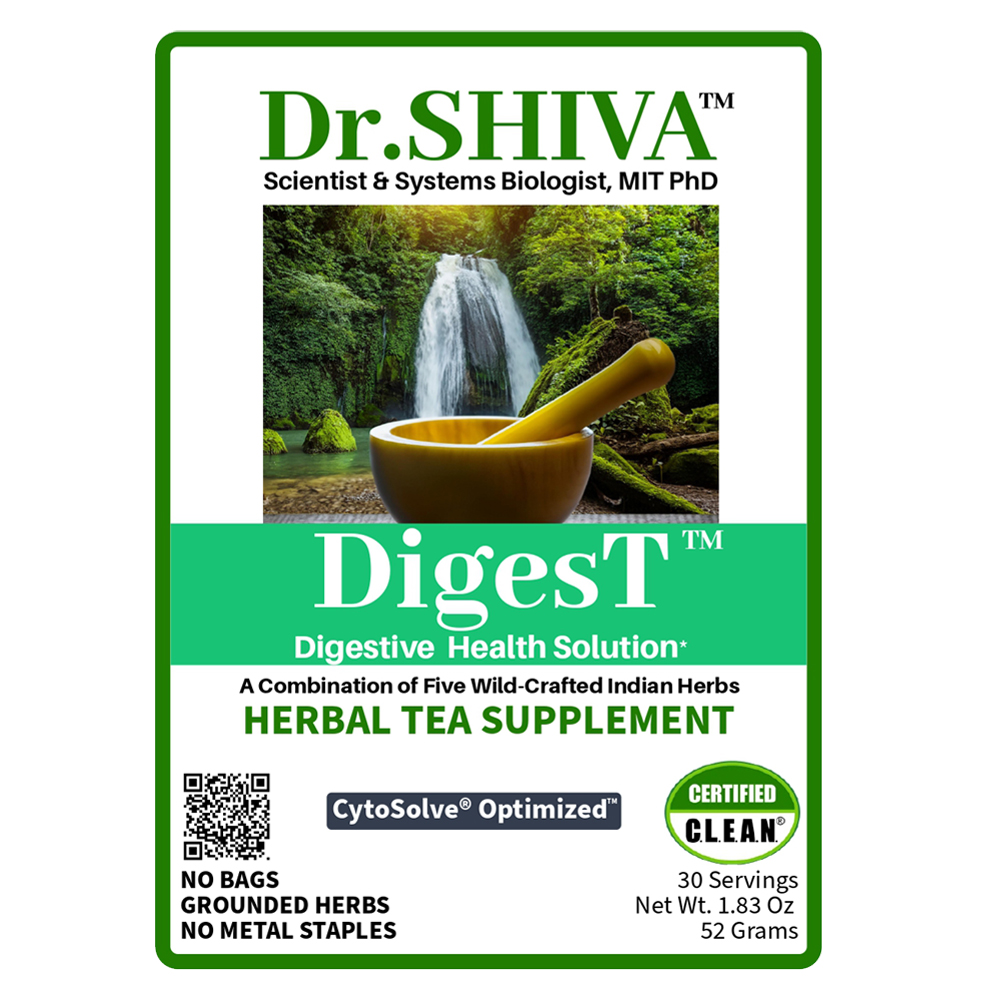
The Future of Gut Health Research
The ongoing work represents a broader movement toward systems-based approaches in health research. By combining computational modeling, experimental validation, and traditional knowledge, it is possible to develop more effective and holistic solutions.
This approach has the potential to transform not only gut health but also the broader field of medicine, shifting the focus from disease management to health optimization.
Conclusion
Ginkgo biloba offers a compelling example of how natural compounds can be understood and utilized within a systems biology framework. Its diverse chemical composition and multi-target effects make it uniquely suited for addressing complex conditions such as gut disorders.
More importantly, the framework used to study Ginkgo represents a paradigm shift in how we approach health and disease. By embracing systems thinking, it becomes possible to move beyond reductionist models and develop solutions that reflect the true complexity of biological systems.