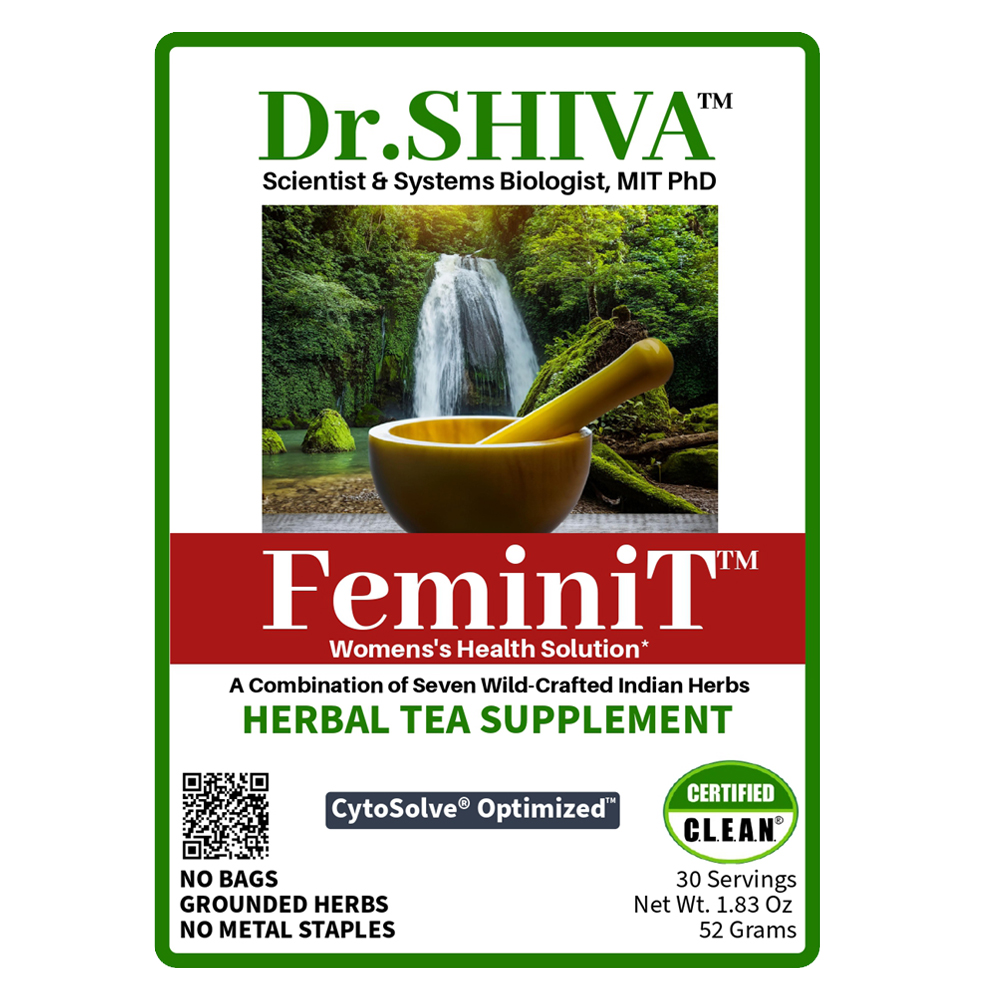
In this presentation, Dr. SHIVA Ayyadurai, MIT PhD, Inventor of Email and Independent Candidate for President of the United States, explores the powerful benefits of the herb Sesame Seeds for Women’s Health. Using a Systems Health® approach and the CytoSolve® technology platform, he provides a scientific and holistic analysis of how Sesame Seeds supports Women’s Health.
Disclaimer
This content is for informational and educational purposes only. It is not intended to provide medical advice or to take the place of such advice or treatment from a personal physician. All readers/viewers of this content are advised to consult their doctors or qualified health professionals regarding specific health questions. Neither Dr. Shiva Ayyadurai nor the publisher of this content takes responsibility for possible health consequences of any person or persons reading or following the information in this educational content. All viewers of this content, especially those taking prescription or over-the-counter medications, should consult their physicians before beginning any nutrition, supplement, or lifestyle program.
Key Takeaways
- Systems, Not Symptoms
Women’s health is not a collection of isolated conditions but a complex, interconnected system involving hormones, metabolism, immunity, and cellular signaling. Sesame seeds are valuable because they act across multiple pathways, not just one target.
- Multi-Molecule Power, Not Single Compounds
Sesame seeds contain a network of bioactive compounds—especially lignans like sesamin and sesamol—that work together. Their combined effect influences oxidative stress, inflammation, and hormonal signaling in a coordinated way.
- Pathway-Level Impact Matters
Sesame-derived compounds interact with key biological pathways such as Wnt/β-catenin (linked to cell proliferation) and PTH-AKT-BMP2 (linked to bone formation). This makes them relevant for conditions like cancer progression and osteoporosis at a mechanistic level.
- Foundation Support: Metabolism, Bone, and Hormones
Sesame seeds support core physiological systems—improving metabolic balance, enhancing bone health, and stabilizing hormonal signaling. These foundational effects are critical for long-term women’s health resilience.
- Personalization Is Essential
There is no one-size-fits-all solution. Sesame seeds may benefit some individuals while not being ideal for others. The correct approach is always: right food, right person, right time, based on a systems-level understanding of the individual.
Reframing Women’s Health Through Systems Science
Modern discussions of women’s health often suffer from a fundamental limitation: they treat conditions as isolated events rather than emergent outcomes of interconnected biological systems. This reductionist lens fragments understanding, leading to interventions that target symptoms without resolving underlying dysfunction.
A systems science approach fundamentally changes this perspective. Instead of asking what single factor causes a condition, it examines how networks of biological processes—hormonal signaling, metabolic regulation, immune function, and environmental inputs—interact dynamically over time.
Within this framework, women’s health is not defined by individual diseases such as hormonal imbalance, metabolic disorders, or degenerative conditions. Rather, it is shaped by the integrity and coordination of regulatory systems that maintain equilibrium across the body.
This shift in perspective is critical. It allows us to understand why many conventional interventions fail to produce lasting results. When only one pathway is targeted, compensatory mechanisms in other pathways often negate the effect. True resolution requires coordinated modulation across the system.
Food, in this context, emerges not merely as nutrition but as a multi-dimensional input capable of influencing multiple biological layers simultaneously. Among such functional inputs, sesame seeds stand out due to their biochemical diversity and systems-level activity.
Sesame Seeds as a Systems-Level Intervention
Sesame seeds represent a unique convergence of nutritional density and molecular complexity. Unlike single-compound interventions, they deliver a matrix of interacting bioactive molecules that collectively influence biological systems.
Their composition includes:
- Polyunsaturated and monounsaturated fatty acids that influence membrane dynamics and signaling
- Protein-derived amino acids that support enzymatic and structural functions
- Micronutrients essential for cofactor-dependent reactions
- Phytochemicals that act as modulators of signaling pathways
What distinguishes sesame seeds is not merely the presence of these components, but their synergistic behavior. The interactions between lignans, fatty acids, vitamins, and minerals create emergent effects that cannot be replicated by isolated compounds.
Journey to systems
So that’s the VASHIVA Truth Freedom Health movement. And I’ll come back to that. But the foundation of that is really a Systems Approach. So when we look at something like Astragalus, we want to take a Systems Approach to looking at it. The scientific approach of reductionism–where you just look at one little piece of something–is a way that, in many ways, you can fool yourself or those in power can take advantage of you in anything–be it science, be it understanding politics, be it having an argument. When you take an interconnected Systems approach, you get a much better view closer to the truth. So as people are coming in, let me just, I have a new video that I put together that really encourages people to, you know, sort of share my personal Journey to Systems, and you can look at it how your own life has gone. So let me just share this with everyone.
This is precisely where a systems biology platform like CytoSolve® becomes essential. By modeling how these molecules interact across pathways, it becomes possible to move beyond anecdotal or statistical observations toward a mechanistic understanding.
Molecular Composition: Beyond Nutrition Into Mechanism
A detailed examination of sesame seeds reveals a highly structured molecular ecosystem. Over 180 phytochemicals have been identified, but a subset of key molecules drives most of the biological effects.
Lignans as Core Bioactive Drivers
The lignan family within sesame seeds—including sesamin, sesamol, sesamolin, and related derivatives—forms the functional backbone of their activity.
These compounds exhibit:
- Antioxidant capacity through free radical scavenging
- Modulation of gene expression through epigenetic mechanisms
- Interaction with signaling pathways related to inflammation and cellular proliferation
Unlike simple antioxidants, lignans do not act passively. They actively influence transcriptional and post-translational processes, altering how cells respond to stress and environmental inputs.
Fatty Acids and Membrane-Level Regulation
The fatty acid profile of sesame seeds includes oleic acid, linoleic acid, and other long-chain lipids that integrate into cellular membranes.
Membrane composition directly affects:
- Receptor function
- Signal transduction efficiency
- Cellular communication
By altering membrane fluidity and receptor dynamics, these fatty acids indirectly influence hormonal signaling, immune responses, and metabolic regulation.
Micronutrients as Enzymatic Cofactors
Minerals such as magnesium, zinc, and calcium play indispensable roles as cofactors in enzymatic reactions.
Their presence ensures:
- Proper functioning of metabolic enzymes
- Stability of signaling cascades
- Maintenance of structural integrity in tissues such as bone
The combination of these micronutrients with bioactive compounds enhances the efficiency of biological processes, amplifying the overall effect.
Systems Architecture of Women’s Health
To understand how sesame seeds influence women’s health, it is necessary to first examine the underlying systems architecture.
At the core lies the hypothalamic–pituitary–ovarian axis, a regulatory network that governs hormonal balance. This axis operates through feedback loops that maintain equilibrium between hormone production and physiological demand.
Disruptions in this system can arise from:
- Metabolic stress
- Inflammatory signaling
- Environmental exposures
- Nutritional deficiencies
When feedback mechanisms fail, the result is not a single condition but a cascade of dysfunctions affecting reproductive health, metabolic stability, and long-term resilience.
Importantly, this axis does not operate in isolation. It is interconnected with:
- The immune system, which influences inflammatory states
- The metabolic system, which affects energy balance and insulin sensitivity
- The nervous system, which regulates stress responses
A systems-level intervention must therefore address multiple nodes within this network simultaneously.
Mechanistic Pathways Influenced by Sesame Seeds
The true power of sesame seeds emerges when we map their molecular components to specific biological pathways.
Oxidative Stress Modulation
Reactive oxygen species are a natural byproduct of cellular metabolism, but excessive accumulation leads to oxidative damage. This damage affects DNA, proteins, and lipids, contributing to aging and disease.
Sesame lignans enhance antioxidant defenses by:
- Neutralizing free radicals
- Upregulating endogenous antioxidant systems
- Protecting cellular structures from damage
This effect stabilizes cellular environments, allowing other regulatory processes to function more effectively.
Inflammatory Pathway Regulation
Chronic inflammation is a central driver of many health conditions affecting women, including metabolic disorders and degenerative diseases.
Bioactive compounds in sesame seeds modulate inflammatory signaling by:
- Reducing pro-inflammatory cytokine activity
- Interfering with signaling cascades that sustain inflammation
- Promoting resolution pathways that restore balance
This modulation does not suppress the immune system but rather recalibrates it toward equilibrium.
Hormonal Signaling Support
Hormonal balance depends on both synthesis and receptor sensitivity. Sesame seeds influence both aspects.
Their components support:
- Steroid hormone synthesis through lipid availability
- Receptor function through membrane composition
- Feedback regulation through modulation of signaling pathways
This multi-layered influence helps stabilize hormonal fluctuations and improve system resilience.
Bone Health and Structural Integrity
Bone health is particularly relevant in women due to changes associated with aging and hormonal shifts.
Sesame seeds contribute through two primary mechanisms:
- Providing essential minerals required for bone formation
- Activating signaling pathways that promote osteoblast differentiation
This dual effect enhances both the structural and functional aspects of bone health, reducing the risk of degeneration over time.
Metabolic and Systemic Integration
Metabolism serves as the foundation upon which all other systems operate. Disruptions in metabolic processes can propagate across the entire biological network.
Sesame seeds influence metabolic health by:
- Improving glucose regulation
- Supporting lipid metabolism
- Enhancing mitochondrial efficiency
These effects create a more stable internal environment, allowing other systems—such as hormonal and immune networks—to function optimally.
Personalization: The Missing Layer in Conventional Nutrition
One of the most critical insights from systems science is that biological responses are highly individualized. The same intervention can produce different outcomes depending on the state of the system.
Sesame seeds are no exception. Their effects depend on:
- Baseline metabolic state
- Hormonal balance
- Genetic predisposition
- Environmental context
A personalized approach evaluates these factors to determine whether sesame seeds will restore balance or potentially create further imbalance.
This principle underscores the importance of moving away from generalized recommendations toward individualized strategies.
Pathway Mapping, Disease Architecture, and Mechanistic Interpretation
Why Pathways Matter in Women’s Health
Women’s health cannot be understood by looking only at symptoms. A symptom is often the visible surface of a deeper biological network that has lost balance. Hormonal disruption, inflammation, oxidative stress, metabolic dysfunction, poor bone remodeling, and abnormal cell growth are not separate problems. They are connected processes that influence one another.
This is why the CytoSolve® approach begins with systems architecture. The goal is to identify the biological processes, pathways, biomarkers, and molecular interactions that create the condition. Only after that map is built can we ask a meaningful question: which natural compounds influence the system in the right direction?
Sesame seeds become interesting in this context because they contain a wide range of molecules, including sesamin, sesamol, sesamolin, sesaminol, fatty acids, vitamins, and minerals. These molecules do not act through one single mechanism. They interact with multiple biological pathways that are relevant to women’s health, including oxidative stress, inflammation, bone formation, metabolism, and cancer-related signaling.
The Wnt and Beta-Catenin Pathway in Cancer Progression
One of the major pathways discussed is the Wnt and beta-catenin signaling pathway. This pathway is important because it helps regulate cell growth, cell division, and tissue development. Under normal conditions, the pathway plays useful roles in development and repair. However, when it becomes overactive or poorly regulated, it can contribute to abnormal cell proliferation.
In the context of breast cancer and other cancers, excessive Wnt and beta-catenin activity may support tumor growth, invasion, and metastasis. This does not mean that one pathway alone causes cancer. Cancer is a systemic disease involving genetics, inflammation, metabolism, immune surveillance, hormonal environment, and tissue microenvironment. But Wnt and beta-catenin signaling is one important node within that larger network.
This highlights sesamol as a compound that may influence this pathway by supporting WIF1 activity. WIF1, or Wnt inhibitory factor 1, helps block Wnt signaling. When WIF1 activity increases, Wnt signaling can be reduced. This limits beta-catenin movement into the nucleus, where it would otherwise activate genes involved in cell proliferation and cancer progression.
From a systems perspective, this is significant. Sesame seeds are not being viewed as a “cure” for cancer. Instead, the focus is on how sesame-derived compounds may modulate pathways that are relevant to cancer biology.
Sesamol and the Regulation of Cell Proliferation
Cell proliferation is the process by which cells divide and multiply. In healthy tissue, this process is tightly controlled. Cells divide when needed, stop when appropriate, and undergo programmed death when damaged. In cancer, these controls are disrupted.
Sesamol may reduce the activity of downstream targets such as Cyclin D1 and PCNA. These molecules are associated with cell cycle progression and DNA replication. When their activity is elevated, cells may divide more aggressively.
By reducing these signals, sesamol may help shift the system away from uncontrolled growth. Again, the important point is not that sesame seeds act as a single-target drug. The important point is that sesame compounds appear to interact with biological nodes involved in abnormal growth, adhesion, and migration.
This is the type of pathway-level insight that makes a systems biology approach valuable. It allows us to move from general claims like “sesame is good for health” to a more precise statement: specific compounds in sesame may influence specific molecular pathways involved in disease processes.
Sesame Seeds and Breast Health
Breast cancer was presented as one of the major women’s health concerns. Breast cancer involves abnormal breast cells growing uncontrollably and forming tumors. It may be influenced by genetic mutations, hormonal factors, obesity, alcohol use, radiation exposure, and other environmental or lifestyle factors.
From a systems perspective, breast health must be understood through multiple interacting layers. These include estrogen signaling, inflammatory status, insulin resistance, oxidative stress, immune function, DNA repair, and cellular growth control. A change in one layer can affect the others.
Sesame seeds may be relevant because their bioactive compounds influence oxidative stress, inflammation, and cell signaling. Their lignans may also interact with hormone-related pathways. This does not make sesame seeds a replacement for diagnosis, screening, or medical treatment. Rather, it places sesame seeds within a broader prevention and support framework.
For common people, the key idea is simple: the body’s health is built through daily biological inputs. Food can either stress the system or support the system. Sesame seeds may support the system because they provide both nutrients and pathway-active compounds.
PTH Signaling and Bone Formation
Another major mechanism discussed is the role of sesamol in bone health through parathyroid hormone, or PTH, signaling. Bone is not a fixed structure. It is living tissue that is constantly being broken down and rebuilt.
Two main cell types are involved. Osteoclasts break down old bone, while osteoblasts build new bone. Healthy bones depend on a balance between these two activities. In women, especially after menopause, this balance can shift toward bone loss because estrogen levels decline. Estrogen normally helps protect bone density.
This explains that sesamol may enhance PTH-mediated signaling, leading to activation of cAMP, protein kinase A, AKT, CREB, and BMP-2. This pathway supports osteoblast differentiation and bone formation.
In simpler terms, sesamol may help activate signals that encourage bone-building cells to mature and function. This is why sesame seeds may be relevant to osteoporosis, particularly in women.
Sesame Seeds and Osteoporosis
Osteoporosis is one of the most important long-term health concerns for women. It develops when bone density decreases, and bones become fragile. This increases the risk of fractures, especially in the hip, spine, and wrist.
Sesame seeds may support bone health in two complementary ways. First, they provide minerals such as calcium, magnesium, phosphorus, and zinc, which are needed for bone structure and enzymatic activity. Second, sesame compounds may influence signaling pathways that support bone formation.
This dual role is important. Many people think bone health is only about calcium. But bone health is a systems problem. Calcium must be absorbed, transported, deposited correctly, and supported by hormones, vitamin status, inflammation control, and cellular signaling.
Sesame seeds, therefore, fit into a broader bone-supportive strategy. They may help provide raw materials while also influencing the molecular environment that governs bone remodeling.
Oxidative Stress as a Common Root Mechanism
Oxidative stress appears across many women’s health conditions. It occurs when reactive oxygen species accumulate faster than the body can neutralize them. These reactive molecules can damage DNA, proteins, lipids, and cell membranes.
In reproductive health, oxidative stress can affect ovarian function, egg quality, hormonal signaling, and tissue repair. In metabolic health, it contributes to insulin resistance and vascular dysfunction. In aging, it accelerates cellular damage. In cancer biology, it can contribute to DNA instability and altered signaling.
Sesame seeds are rich in antioxidant compounds, especially lignans and vitamin E-related molecules. These compounds help reduce oxidative burden and protect cellular structures.

From the CytoSolve® point of view, oxidative stress is not just one isolated problem. It is a network amplifier. When oxidative stress rises, it can worsen inflammation, disrupt metabolism, weaken immune regulation, and damage tissues. Therefore, reducing oxidative stress can have broad systems-level benefits.
Inflammation and Women’s Health
Inflammation is the body’s natural response to injury or threat. Acute inflammation is necessary for healing. Chronic inflammation, however, becomes harmful. It can quietly damage tissues and contribute to long-term disease.
Women’s health conditions often involve inflammatory components. Hormonal imbalance, metabolic syndrome, digestive issues, joint pain, autoimmune tendencies, and bone loss may all involve inflammatory signaling.
Sesame seeds have anti-inflammatory properties. Sesamol and related compounds may help reduce pro-inflammatory signals and support a more balanced immune response.
The key is balance. The goal is not to shut down the immune system. The goal is to prevent unnecessary chronic activation. A healthy immune system should respond when needed and calm down when the threat has passed.
Metabolic Health and Blood Sugar Regulation
It also discusses sesamin in relation to blood sugar regulation. Metabolic health is especially important in women because insulin resistance can influence hormonal balance, reproductive function, weight regulation, and inflammatory status.
When blood sugar remains elevated over time, the body must produce more insulin. High insulin can interact with reproductive hormones and may worsen hormonal imbalance in certain women. This is one reason metabolic health is deeply connected to women’s health.
Sesame seeds may support metabolic function through multiple mechanisms. Their fiber slows digestion and glucose absorption. Their healthy fats support satiety and cellular function. Their lignans may influence oxidative stress and inflammatory pathways that affect insulin sensitivity.
In a systems model, sesame seeds would not be treated merely as a “blood sugar food.” They would be mapped as a multi-compound input affecting glucose handling, oxidative stress, inflammation, lipid metabolism, and possibly hormonal feedback.
Digestive Health and the Gut Connection
The sesame seeds are often referred to as a “digestive defender.” This is an important phrase because digestion is central to systemic health. The gut is not simply a food-processing tube. It is connected to immunity, metabolism, hormone clearance, nutrient absorption, and even brain signaling.
Sesame seeds may support digestion through fiber, oils, and anti-inflammatory compounds. Their role in gastric acidity and ulcer-related models suggests that sesame-derived compounds may help protect the digestive lining under certain conditions.
This matters for women’s health because poor digestion can affect nutrient status, estrogen metabolism, inflammatory load, and energy balance. If the gut is inflamed or poorly functioning, the entire body becomes harder to regulate.
A systems approach, therefore, treats digestive health as a foundation, not a side issue.
The Combination Screening Logic
One of the most important ideas is that sesame seeds are only one of many ingredients being studied for women’s health. The broader CytoSolve® women’s health initiative includes ingredients such as Shatavari, Turmeric, Ashwagandha, Fenugreek, Red Clover, Ginger, Black Cumin, Cinnamon, Pomegranate, Flax Seeds, and others.
The key question is not whether one ingredient is “good.” Many natural ingredients have evidence of benefit. The real question is how they interact.
Some compounds may support the same pathway. Others may complement each other by acting on different pathways. Some may cancel each other out. Some may create unwanted effects in certain individuals.
This is why combination screening is central. A systems platform must evaluate how multiple compounds influence the biological network together. The goal is to identify combinations that produce coordinated, beneficial effects across the system.
Why One-Size-Fits-All Fails
This repeatedly emphasizes that sesame seeds may not be right for everyone. This is a critical point.
A food can be beneficial in one person and inappropriate in another, depending on their biological state. For example, a person with low inflammatory burden, balanced digestion, and certain constitutional tendencies may respond differently from someone with allergies, metabolic imbalance, or excess heat-like symptoms.
This is why personalization matters. The correct question is not “Are sesame seeds good?” The better question is “Are sesame seeds right for this person, in this amount, at this time?”
That is the foundation of Systems Health®.
Dosage and Practical Caution
The experimental dosage ranges from scientific studies, while also emphasizing that this is not medical advice. This distinction is important.
Research doses do not automatically translate into everyday human use. Animal studies, cell studies, and clinical settings each have different meanings. A Systems Health® approach must consider safety, individual constitution, allergies, digestive capacity, medications, and existing conditions.
For common dietary use, sesame seeds are generally consumed in small amounts as part of food. Therapeutic use requires more caution. People with sesame allergy should avoid sesame entirely. Those with complex medical conditions should consult a qualified healthcare professional.
In premium CytoSolve® language, this is the safety layer of the model. Benefit must always be interpreted alongside risk.
The CytoSolve® Interpretation
A CytoSolve® interpretation of sesame seeds and women’s health would not stop at listing benefits. It would map the following:
The ingredients and molecules present in sesame seeds.
The biological processes that those molecules influence.
The pathways connected to those processes.
The biomarkers that reflect pathway activity.
The potential health outcomes that emerge from pathway modulation.
The personalized factors that determine whether the intervention is appropriate.
This is the difference between ordinary nutrition writing and systems biology. Ordinary nutrition says, “Sesame seeds are healthy.” Systems biology asks, “Which molecules in sesame seeds influence which pathways, in which biological context, for which person, and toward what outcome?” That is the deeper scientific value.
From Molecules to Meaning: The CytoSolve® Translation Layer
In conventional health discussions, there is a gap between “what something contains” and “what it actually does.” Lists of nutrients or phytochemicals are often presented without translating them into biological meaning.
A CytoSolve® approach eliminates this gap.
It creates a structured mapping:
- Molecules → Biological Processes
- Processes → Pathways
- Pathways → Biomarkers
- Biomarkers → Health Outcomes
This layered architecture transforms raw biochemical data into actionable insight.
Sesame seeds are particularly suited for this approach because they contain a dense, multi-layered molecular profile capable of influencing multiple systems simultaneously.
Personalization Layer: The Critical Differentiator
The most important layer is personalization. Sesame seeds are not universally beneficial in all contexts.
Systems Health® Interpretation
Using a systems-based framework:
- Sesame tends to reduce certain system imbalances
- It may increase others depending on the individual
This means:
- It may restore balance in one person
- It may create an imbalance in another
Factors Influencing Personal Response
- Metabolic state
- Hormonal condition
- Digestive health
- Immune sensitivity
- Genetic predisposition
Practical Interpretation
The correct framework is:
Right Food
Right Person
Right Time
Without this layer, even scientifically valid interventions can fail.
Why Reductionist Models Fail
Traditional models fail because they:
- Focus on one molecule
- Target one pathway
- Ignore system-wide feedback
This creates:
- Short-term effects
- Long-term instability
Sesame seeds demonstrate why multi-component inputs are necessary.
They:
- Influence multiple pathways
- Support system balance
- Reduce compensatory disruption
The Future: Combination Intelligence
Sesame seeds are only one component of a larger system.
The real breakthrough lies in:
- Combining ingredients
- Mapping interactions
- Optimizing synergy
This is the next phase of CytoSolve® modeling.
Instead of asking:
“Is sesame good?”
We ask:
“How does sesame interact with 24 other ingredients across 50 pathways in a specific individual?”
That is the future of medicine.
Final Conclusion
Sesame seeds represent a powerful example of how natural compounds can be understood through a systems biology framework.
Their value lies not in isolated benefits, but in their ability to:
- Modulate oxidative stress
- Regulate inflammation
- Support hormonal balance
- Enhance bone health
- Stabilize metabolism
Most importantly, they demonstrate that:
Health is not a single variable. It is a dynamic system
And only a systems approach can truly address it.