
In this presentation, Dr. SHIVA Ayyadurai, MIT PhD, Inventor of Email and Independent Candidate for President of the United States, explores the powerful benefits of the herb Ashwagandha for Alzheimer’s Disease. Using a Systems Health® approach and the CytoSolve® technology platform, he provides a scientific and holistic analysis of how Ashwagandha supports Alzheimer’s Disease.
Disclaimer
This content is for informational and educational purposes only. It is not intended to provide medical advice or to take the place of such advice or treatment from a personal physician. All readers/viewers of this content are advised to consult their doctors or qualified health professionals regarding specific health questions. Neither Dr. Shiva Ayyadurai nor the publisher of this content takes responsibility for possible health consequences of any person or persons reading or following the information in this educational content. All viewers of this content, especially those taking prescription or over-the-counter medications, should consult their physicians before beginning any nutrition, supplement, or lifestyle program.
Key Takeaways
- Ashwagandha works at a systems level, not a single pathway
Its value lies in influencing multiple interconnected mechanisms simultaneously—particularly inflammation, oxidative stress, and stress-response pathways—making it relevant for complex diseases like Alzheimer’s rather than simple, single-target conditions. - Alzheimer’s disease is driven by reinforcing biological loops
A central driver is the feedback cycle between amyloid-beta toxicity and neuroinflammation. Breaking or modulating this cycle requires multi-target interventions, which is why single-drug approaches have limited success. - Withaferin A is a key mechanistic driver
This primary bioactive compound inhibits NF-κB signaling (reducing inflammation) and activates NRF2 (enhancing antioxidant defense), addressing two core pathological processes in neurodegeneration. - Effectiveness depends on personalization, not universality
Ashwagandha is not a one-size-fits-all solution. Its impact varies based on individual physiology, system balance, and timing—highlighting the importance of a personalized, Systems Health® approach. - Future medicine is integrative and computational
The combination of systems biology, computational modeling (like CytoSolve®), and traditional knowledge represents a new paradigm—where food and natural compounds are evaluated scientifically and used as part of multi-pathway, personalized interventions rather than isolated remedies.
Introduction to a Systems Approach to Health and Disease
The exploration of human health, particularly complex chronic conditions such as Alzheimer’s disease, demands more than isolated thinking. It requires a comprehensive systems-based perspective that recognizes the intricate interconnections between biological processes, environmental influences, lifestyle factors, and broader societal structures. In the context of this discussion, Ashwagandha emerges not merely as a traditional herb, but as a biologically active agent whose potential must be understood within a multi-dimensional framework.
This approach moves beyond reductionist science, which tends to isolate single pathways or singular interventions. Instead, it embraces the reality that diseases such as Alzheimer’s arise from cascading failures across multiple biological systems. The transcript emphasizes that understanding health through systems science allows us to examine not only molecular mechanisms but also the broader context in which disease develops and persists.
Journey to systems
So that’s the VASHIVA Truth Freedom Health movement. And I’ll come back to that. But the foundation of that is really a Systems Approach. So when we look at something like Astragalus, we want to take a Systems Approach to looking at it. The scientific approach of reductionism–where you just look at one little piece of something–is a way that, in many ways, you can fool yourself or those in power can take advantage of you in anything–be it science, be it understanding politics, be it having an argument. When you take an interconnected Systems approach, you get a much better view closer to the truth. So as people are coming in, let me just, I have a new video that I put together that really encourages people to, you know, sort of share my personal Journey to Systems, and you can look at it how your own life has gone. So let me just share this with everyone.
Ashwagandha, often referred to as “Indian Ginseng,” has been used for thousands of years in Ayurvedic medicine. Its classification as a Rasayana highlights its traditional role in promoting longevity, vitality, and resilience. However, its relevance today extends far beyond traditional usage. Modern scientific inquiry has begun to uncover the molecular mechanisms underlying its effects, particularly in relation to neurodegenerative diseases.
This blog explores Ashwagandha’s role in Alzheimer’s disease through a systems lens, integrating biological pathways, molecular interactions, and real-world applications. The goal is not to present a simplistic solution but to understand how Ashwagandha fits within a broader framework of brain health and disease prevention.
The Growing Burden of Alzheimer’s Disease
Alzheimer’s disease represents one of the most significant health challenges of the modern era. It is a progressive neurodegenerative disorder characterized by cognitive decline, memory impairment, and eventual loss of independence. As populations age globally, the prevalence of Alzheimer’s continues to rise, affecting tens of millions of individuals worldwide.
The disease typically begins subtly, with mild memory lapses that may initially be dismissed as normal aging. Over time, however, these symptoms progress into severe cognitive dysfunction, affecting language, reasoning, and behavior. Ultimately, Alzheimer’s disease leads to complete dependence and can become life-threatening.
Despite decades of research, current treatment options remain limited. Most available medications, such as cholinesterase inhibitors, focus on symptom management rather than addressing the underlying causes of the disease. Recent developments in immunotherapy targeting amyloid-beta offer some promise, but they do not fully resolve the complexity of the condition.
The transcript highlights that Alzheimer’s is not a single-pathway disease. It is driven by multiple interacting factors, including neuroinflammation, oxidative stress, genetic predisposition, metabolic dysfunction, and environmental influences. This complexity explains why conventional approaches have struggled to provide effective long-term solutions.
A systems-based understanding is therefore essential. Only by examining the interconnected nature of these processes can meaningful interventions be developed.
Ashwagandha: A Multifaceted Medicinal Plant
Ashwagandha stands out among medicinal plants due to its diverse range of biological activities. It is not limited to a single function but instead influences multiple systems within the body. This multi-targeted action makes it particularly relevant for complex diseases such as Alzheimer’s.
Traditionally, Ashwagandha has been used to support stress resilience, enhance vitality, and promote overall well-being. Its adaptogenic properties enable the body to better cope with physical and psychological stressors. In modern scientific terms, this translates into modulation of stress-related pathways, including cortisol regulation and neuroendocrine balance.
Beyond its adaptogenic effects, Ashwagandha exhibits a wide range of pharmacological activities. These include anti-inflammatory, antioxidant, neuroprotective, anti-diabetic, and cardioprotective effects. Such a broad spectrum of activity reflects its rich chemical composition.
The transcript identifies several key categories of compounds present in Ashwagandha. These include essential minerals such as magnesium, zinc, and iron, as well as vitamins like vitamin C. However, the most significant components are its bioactive compounds, particularly withanolides.
Among these, Withaferin A is one of the most extensively studied. It plays a central role in many of Ashwagandha’s therapeutic effects, particularly in the context of neuroprotection and inflammation. Other important compounds include withanolide D, withanone, anaferine, and anahygrine.
The presence of these compounds allows Ashwagandha to interact with multiple biological pathways simultaneously. This characteristic is crucial for addressing diseases that involve complex, interconnected mechanisms.
Understanding Alzheimer’s Disease as a Systems-Level Disorder
To appreciate the potential role of Ashwagandha, it is necessary to understand the underlying mechanisms of Alzheimer’s disease. At its core, Alzheimer’s is driven by a series of pathological processes that reinforce one another over time.
One of the most well-known features of the disease is the accumulation of amyloid-beta plaques in the brain. These plaques are formed from misfolded protein fragments that aggregate and disrupt normal neuronal function. However, amyloid-beta accumulation alone does not fully explain the disease.
Equally important is the role of neuroinflammation. Microglial cells, which serve as the immune cells of the brain, become activated in response to amyloid-beta. This activation triggers inflammatory signaling pathways, leading to the release of cytokines and other inflammatory mediators.
The transcript describes a critical feedback loop between amyloid-beta toxicity and neuroinflammation. Amyloid-beta activates inflammatory pathways, which in turn promote further amyloid production. This creates a self-reinforcing cycle that drives disease progression.
Another key factor is oxidative stress. The brain is particularly vulnerable to oxidative damage due to its high metabolic activity and lipid-rich composition. Excessive production of reactive oxygen species can damage neurons, impair mitochondrial function, and accelerate neurodegeneration.
Additional contributing factors include genetic predisposition, lifestyle factors such as diet and physical activity, sleep disturbances, and vascular health. These elements interact in complex ways, further complicating the disease process.
This multi-factorial nature underscores the need for interventions that can address multiple pathways simultaneously. Single-target approaches are unlikely to be sufficient in the face of such complexity.
Mechanistic Insights: Ashwagandha’s Anti-Inflammatory Effects
One of the most significant ways Ashwagandha may influence Alzheimer’s disease is through its anti-inflammatory properties. Chronic inflammation plays a central role in neurodegeneration, and targeting this process is a key therapeutic strategy.
At the molecular level, inflammatory signaling often involves pathways such as the NF-κB pathway. This pathway regulates the expression of numerous pro-inflammatory genes and is activated in response to various stress signals.
The transcript explains that in Alzheimer’s disease, activation of Toll-like receptor signaling leads to the activation of the TAK1-IKK pathway, which subsequently activates NF-κB. Once activated, NF-κB translocates to the nucleus and promotes the production of inflammatory cytokines.
Withaferin A, a key compound in Ashwagandha, interferes with this process. It inhibits the activation and translocation of NF-κB, thereby reducing the production of inflammatory mediators. This action helps to mitigate neuroinflammation and protect neuronal cells from damage.
This mechanism is particularly important because it targets a central node in the inflammatory network. By modulating NF-κB, Ashwagandha can influence a wide range of downstream effects, rather than targeting a single inflammatory molecule.
The ability to modulate such a critical pathway highlights the potential of Ashwagandha as part of a systems-based approach to managing Alzheimer’s disease.
Antioxidant Defense and Cellular Protection
In addition to its anti-inflammatory effects, Ashwagandha also plays a crucial role in enhancing the body’s antioxidant defenses. Oxidative stress is a major contributor to neuronal damage in Alzheimer’s disease, and addressing this aspect is essential for neuroprotection.
The transcript describes how Withaferin A activates the NRF2 pathway. NRF2 is a transcription factor that regulates the expression of antioxidant genes. Under normal conditions, NRF2 is bound to Keap1 and remains inactive in the cytoplasm.
Withaferin A disrupts the Keap1-NRF2 complex, allowing NRF2 to translocate to the nucleus. Once inside the nucleus, NRF2 promotes the expression of genes involved in antioxidant defense, including heme oxygenase-1.
This activation enhances the cell’s ability to neutralize reactive oxygen species and reduces oxidative damage. In the context of Alzheimer’s disease, this can help protect neurons and preserve cognitive function.
The dual action of Ashwagandha in reducing inflammation and oxidative stress is particularly significant. These two processes are closely linked, with each amplifying the other. By targeting both simultaneously, Ashwagandha addresses a critical aspect of the disease’s underlying pathology.
Toward a Systems-Based Therapeutic Strategy
The discussion of Ashwagandha within this framework illustrates a broader principle. Effective management of complex diseases requires interventions that operate across multiple levels of biological organization.
The transcript emphasizes the importance of systems thinking in developing such strategies. By integrating data from molecular biology, clinical research, and computational modeling, it becomes possible to identify combinations of interventions that work synergistically.
Ashwagandha represents one component of this approach. Its ability to influence multiple pathways makes it a valuable candidate for inclusion in broader therapeutic strategies. However, it is not a standalone solution.
The concept of personalized medicine is also critical. Different individuals may respond differently to the same intervention, depending on their unique biological makeup and health status. Determining the right intervention for the right person at the right time is essential for achieving optimal outcomes.
CytoSolve® and the Emergence of a Systems-Level Innovation Framework
To truly understand how Ashwagandha may influence Alzheimer’s disease, it is necessary to move beyond descriptive biology and into a predictive, integrative framework. The transcript introduces such a framework through CytoSolve®, a platform developed to model biological systems mechanistically rather than statistically. This distinction is not trivial. Mechanistic modeling attempts to capture the actual causal interactions between molecules, pathways, and physiological processes, enabling a deeper understanding of how interventions influence system behavior over time.
The process begins with the careful mapping of molecular pathways. This involves synthesizing decades of published research into a coherent architecture that reflects how different biological components interact. In the case of Alzheimer’s disease, this includes pathways related to amyloid-beta production, tau protein aggregation, neuroinflammation, oxidative stress, mitochondrial dysfunction, and synaptic signaling. Each of these components is not isolated but interconnected, forming a network whose behavior cannot be understood by examining any single part in isolation.
Once this architecture is established, the next step involves translating biological interactions into mathematical rate equations. These equations describe how concentrations of molecules change over time based on reaction kinetics and interaction dynamics. By doing so, the biological system is transformed into a computational model that can be simulated and analyzed.
The transcript explains that this modeling enables combination screening, where multiple compounds can be tested simultaneously within the system. This is particularly important for natural compounds like those found in Ashwagandha, which often exert their effects through multiple targets. Traditional experimental approaches would struggle to evaluate such combinations efficiently, but computational modeling allows for rapid exploration of numerous possibilities.

This methodology represents a shift from trial-and-error experimentation to rational, systems-based discovery. It allows researchers to identify not only which compounds are effective but also how they interact with each other and with the biological system as a whole. In the context of Alzheimer’s disease, this approach is especially valuable given the complexity of the condition.
Mapping the Systems Architecture of Alzheimer’s Disease
The systems architecture of Alzheimer’s disease reveals a network of interdependent processes that collectively drive neurodegeneration. At its core lies the interplay between amyloid-beta toxicity and neuroinflammation, a relationship that forms a self-reinforcing cycle.
Amyloid-beta peptides accumulate and aggregate into plaques, which disrupt neuronal function and trigger immune responses within the brain. Microglial cells, acting as the brain’s immune defenders, become activated in response to these plaques. This activation leads to the release of pro-inflammatory cytokines through signaling pathways such as NF-κB.
The transcript highlights that this inflammatory response does not resolve the problem but instead exacerbates it. The inflammatory environment promotes further amyloid-beta production and aggregation, thereby intensifying the cycle. Over time, this leads to widespread neuronal damage, synaptic loss, and cognitive decline.
Beyond this central loop, additional factors contribute to the disease architecture. Oxidative stress damages cellular components, including lipids, proteins, and DNA. Mitochondrial dysfunction reduces the energy supply required for neuronal activity. Impaired protein clearance mechanisms allow toxic aggregates to accumulate. Vascular dysfunction limits blood flow and nutrient delivery to the brain.
Lifestyle and environmental factors also play a significant role. Sedentary behavior, poor diet, sleep disturbances, and chronic stress can all influence the biological pathways involved in Alzheimer’s disease. Genetic predisposition further modifies an individual’s susceptibility, adding another layer of complexity.
This multi-layered architecture underscores why single-target interventions have limited success. Addressing Alzheimer’s disease requires a strategy that can modulate multiple pathways simultaneously, restoring balance across the system rather than focusing on a single node.
The Molecular Composition of Ashwagandha
Ashwagandha’s potential as a therapeutic agent lies in its rich and diverse molecular composition. Unlike synthetic drugs designed to target a single pathway, Ashwagandha contains a complex mixture of compounds that collectively influence multiple biological processes.
The transcript identifies approximately fifteen key molecules within Ashwagandha that are particularly relevant to its therapeutic effects. These compounds can be broadly categorized into minerals, vitamins, and bioactive phytochemicals.
The mineral content includes essential elements such as magnesium, zinc, iron, manganese, and copper. These minerals play critical roles in enzymatic reactions, neurotransmitter synthesis, and cellular metabolism. Trace elements like cobalt and nickel are also present, along with minute levels of heavy metals that depend on soil conditions.
Vitamin C is another important component, contributing to Ashwagandha’s antioxidant capacity. As a water-soluble antioxidant, vitamin C helps neutralize reactive oxygen species and supports immune function.
The most significant contributors to Ashwagandha’s biological activity, however, are its withanolides. These steroidal lactones include Withaferin A, withanolide D, and withanone, among others. Their structural similarity to endogenous steroids allows them to interact with a wide range of molecular targets.
Withaferin A, in particular, has been extensively studied for its anti-inflammatory and antioxidant properties. It acts on key signaling pathways such as NF-κB and NRF2, making it highly relevant for conditions characterized by inflammation and oxidative stress.
Other compounds, such as anaferine and anahygrine, contribute additional pharmacological effects, including modulation of neurotransmitter systems and stress responses. The combined action of these molecules results in a synergistic effect that cannot be attributed to any single component.
This complexity is both a strength and a challenge. While it enables broad therapeutic potential, it also requires sophisticated analytical approaches, such as those provided by systems modeling, to fully understand and harness its effects.
Broad Biological Effects and Systemic Impact
The diverse composition of Ashwagandha translates into a wide range of biological effects. The transcript outlines several key activities, including anti-inflammatory, antioxidant, neuroprotective, anti-diabetic, cardioprotective, antimicrobial, and anti-cancer effects.
These effects are not isolated but interconnected. For example, reducing inflammation can also decrease oxidative stress, while improving metabolic function can support neuronal health. This interconnectedness aligns with the systems-based perspective, where interventions are evaluated based on their overall impact on the system rather than their effect on a single pathway.
In the context of brain health, Ashwagandha’s neuroprotective properties are particularly significant. Modulating inflammation and oxidative stress, it helps create an environment that supports neuronal survival and function. Its adaptogenic effects also contribute by reducing stress-related damage to the brain.
The herb’s influence on metabolic and cardiovascular systems further supports brain health. Improved blood flow, better glucose regulation, and reduced lipid levels all contribute to a healthier brain environment. These systemic effects highlight the importance of considering the body as an integrated whole when addressing neurological conditions.
Evidence from Combination Screening and Comparative Studies
The application of systems modeling enables not only the identification of relevant compounds but also the evaluation of their effectiveness in comparison to existing treatments. The transcript presents data suggesting that Ashwagandha can achieve effects comparable to certain pharmaceutical agents in specific contexts.
For instance, Ashwagandha has been shown to reduce hepatic triglyceride levels in diabetic conditions, with results comparable to those achieved by glibenclamide. This indicates its potential role in metabolic regulation, which is indirectly relevant to brain health given the link between metabolic disorders and neurodegeneration.
Another example involves its effect on seizure latency, where Ashwagandha demonstrated efficacy comparable to sodium valproate. This suggests its ability to modulate neuronal excitability and protect against neurological disturbances.
While these findings do not directly establish Ashwagandha as a treatment for Alzheimer’s disease, they provide evidence of its broad pharmacological capabilities. They also highlight the importance of evaluating natural compounds within a systems framework, where their multi-target effects can be fully appreciated.
The Role of Personalization in Therapeutic Application
One of the key themes emphasized in the transcript is the importance of personalization. Not all individuals respond to interventions in the same way, and this variability must be taken into account when developing therapeutic strategies.
Ashwagandha, despite its broad benefits, is not universally effective for everyone. Its impact depends on an individual’s physiological state, genetic background, and overall health profile. This variability underscores the need for tools that can assess individual characteristics and guide personalized interventions.
The concept of “Your Body, Your System®” reflects this approach. By evaluating factors such as metabolic balance, stress levels, and physiological tendencies, it becomes possible to determine whether Ashwagandha is appropriate for a given individual.
From an Ayurvedic perspective, Ashwagandha is known to reduce Vata while stabilizing Pitta and Kapha. This aligns with its calming and grounding effects, which can be beneficial for individuals experiencing stress, anxiety, or neurological imbalance. However, its suitability must be evaluated within the context of each person’s unique system.
This emphasis on personalization represents a departure from conventional medicine, which often relies on standardized treatments. By integrating systems science with traditional knowledge, a more nuanced and effective approach can be developed.
Dosage Considerations and Safety Profile
The practical application of Ashwagandha requires careful consideration of dosage and safety. The transcript provides insights into commonly studied dosage ranges for different purposes.
Maintenance doses of Ashwagandha extract typically range from 100 to 400 milligrams per day. For general supplementation, lower doses in the range of 100 to 120 milligrams may be effective. Higher doses, such as 500 milligrams per day, have been used in studies focused on stress management.
In the context of Alzheimer’s disease, a dosage of approximately 300 milligrams taken twice daily for several weeks has shown potential benefits in research settings. These findings suggest that Ashwagandha may influence cognitive function and neurological health when used consistently over time.
Despite its benefits, Ashwagandha is not without potential side effects. At higher doses, it may cause gastrointestinal disturbances or, in rare cases, liver-related issues. These risks highlight the importance of proper dosing and medical guidance, particularly for individuals with existing health conditions.
The variability in response further reinforces the need for personalized approaches. Determining the appropriate dosage requires consideration of individual factors, including age, health status, and specific therapeutic goals.
Toward Integrated, Multi-Pathway Solutions
The exploration of Ashwagandha’s role in Alzheimer’s disease ultimately points toward a broader conclusion. Complex diseases cannot be effectively addressed through isolated interventions. Instead, they require integrated strategies that consider the full spectrum of biological interactions.
Ashwagandha represents a valuable component of such strategies, offering multi-targeted effects that align with the systems-based nature of Alzheimer’s disease. Its ability to modulate inflammation, oxidative stress, and metabolic processes makes it a promising candidate for inclusion in comprehensive therapeutic approaches.
However, its true potential can only be realized within a framework that integrates computational modeling, personalized assessment, and holistic understanding. The approach described in the transcript provides a foundation for such integration, combining traditional knowledge with modern scientific tools.
Expanding the Network: Multi-Compound Synergy and the 23-Ingredient Framework
A central limitation in both traditional herbal practice and modern pharmacology has been the inability to rigorously understand how multiple compounds interact within a biological system. The transcript addresses this challenge directly by identifying a broader network of twenty-three natural compounds that may influence Alzheimer’s disease. These include Ashwagandha alongside other botanicals such as Bacopa monnieri, Ginkgo biloba, turmeric, Centella asiatica, and licorice.
Individually, many of these compounds have been studied for their neuroprotective properties. However, their combined behavior within a living system remains largely unexplored in conventional research frameworks. This gap is significant because biological systems do not respond to isolated molecules in the way laboratory conditions often suggest. Instead, they respond to complex combinations of signals that interact dynamically across pathways.
The systems-based approach described in the transcript attempts to address this limitation by modeling not just individual compounds but their interactions within the full biological network. This allows for the identification of synergistic effects, where the combined impact of multiple compounds exceeds the sum of their individual contributions.
Ashwagandha occupies a particularly important role within this network due to its broad-spectrum activity. Its ability to modulate inflammation, oxidative stress, and stress-response pathways positions it as a foundational component in multi-compound strategies. When combined with other botanicals that target complementary pathways, the overall system response can be significantly enhanced.
This concept represents a shift away from the “one drug, one target” paradigm toward a more holistic model of intervention. It aligns with the reality that diseases like Alzheimer’s arise from network-level dysfunction rather than isolated molecular events.
Deep Dive into Inflammatory Signaling: NF-κB and Beyond
Inflammation is one of the most critical drivers of Alzheimer’s disease progression, and the NF-κB pathway sits at the center of this process. Understanding how Ashwagandha interacts with this pathway provides key insights into its therapeutic potential.
The NF-κB pathway is activated by a variety of stimuli, including amyloid-beta accumulation, oxidative stress, and cellular damage. Once activated, it translocates to the nucleus and promotes the expression of genes involved in inflammation, including cytokines, chemokines, and adhesion molecules.
The transcript explains that this pathway is activated through upstream signaling involving Toll-like receptors and the TAK1-IKK complex. The IKK complex phosphorylates inhibitory proteins that normally keep NF-κB inactive, allowing it to enter the nucleus and initiate transcription.
Withaferin A disrupts this process by inhibiting the activation of the IKK complex. This prevents NF-κB from translocating to the nucleus, effectively reducing the production of pro-inflammatory mediators. The result is a dampening of the inflammatory response that contributes to neuronal damage.
However, the significance of this mechanism extends beyond simple inhibition. NF-κB is not an isolated pathway; it interacts with numerous other signaling networks, including those involved in oxidative stress, apoptosis, and immune regulation. By modulating NF-κB, Ashwagandha indirectly influences these interconnected pathways as well.
This highlights the importance of targeting central regulatory nodes within biological systems. Rather than attempting to block every downstream effect, influencing a key upstream regulator can produce widespread systemic benefits.
Oxidative Stress and the NRF2 Axis
Oxidative stress represents another critical dimension of Alzheimer’s disease pathology. The imbalance between reactive oxygen species and antioxidant defenses leads to cumulative cellular damage, particularly in neurons, which are highly sensitive to oxidative injury.
The NRF2 pathway plays a central role in maintaining redox balance. Under normal conditions, NRF2 is sequestered in the cytoplasm by its inhibitor, Keap1. When oxidative stress occurs, NRF2 is released and translocates to the nucleus, where it activates the expression of antioxidant genes.
The transcript describes how Withaferin A facilitates this process by disrupting the Keap1-NRF2 interaction. This allows NRF2 to become active even in the absence of extreme oxidative stress, effectively priming the cell’s دفاع systems.
Once activated, NRF2 induces the expression of a range of protective enzymes, including heme oxygenase-1. These enzymes neutralize reactive oxygen species, repair damaged molecules, and support cellular resilience.
The importance of this mechanism lies in its ability to address one of the root causes of neuronal degeneration. By enhancing the cell’s intrinsic defense systems, Ashwagandha does not merely counteract damage but strengthens the system’s ability to resist future stress.
Moreover, the NRF2 pathway interacts with inflammatory signaling networks, including NF-κB. Activation of NRF2 can suppress inflammatory responses, while inhibition of NF-κB can reduce oxidative stress. This bidirectional relationship creates a reinforcing effect when both pathways are modulated simultaneously.
Ashwagandha’s ability to influence both pathways places it in a unique position as a multi-functional regulator within the system.
Amyloid-Beta Dynamics and Feedback Loops
The accumulation of amyloid-beta is one of the defining features of Alzheimer’s disease, but its role is more complex than simple deposition. Amyloid-beta participates in dynamic feedback loops that influence multiple aspects of brain function.
The transcript emphasizes that amyloid-beta toxicity and neuroinflammation are mutually reinforcing. Amyloid-beta activates microglia, which release inflammatory cytokines. These cytokines, in turn, promote further amyloid production and aggregation.
This creates a vicious cycle that drives disease progression. Breaking this cycle requires interventions that can simultaneously reduce amyloid burden and modulate the inflammatory response.
Ashwagandha’s influence on NF-κB and oxidative stress pathways suggests that it may indirectly impact amyloid dynamics. Reducing inflammation, it can decrease the signals that promote amyloid production. Enhancing antioxidant defenses, it can mitigate the cellular damage caused by amyloid toxicity.
While Ashwagandha may not directly dissolve amyloid plaques, its ability to influence the broader system can alter the conditions that allow these plaques to form and persist. This represents a more subtle but potentially more effective approach to intervention.
From Modeling to Translation: The ALZSolve™ Initiative
The transition from theoretical modeling to practical application is a critical step in any scientific endeavor. The transcript outlines this transition through the development of initiatives such as ALZSolve™, which aim to translate systems-based insights into real-world solutions.
This process begins with the completion of systems architecture mapping and computational modeling. Once the interactions between pathways and compounds are understood, candidate formulations can be identified and evaluated.
The next phase involves validation through publication and intellectual property development. This ensures that findings are rigorously documented and protected, allowing for further development and commercialization.
Production and manufacturing represent the final stages, where validated formulations are translated into products that can be used by individuals. This end-to-end approach distinguishes the framework from purely academic research, emphasizing practical impact alongside scientific discovery.
The ALZSolve™ initiative represents an application of this methodology specifically to Alzheimer’s disease. While still in development, it reflects a commitment to addressing complex diseases through integrated, systems-based strategies.
The Role of Computational Medicine in the Future of Healthcare
The approach described in the transcript reflects a broader shift toward computational medicine. As biological data becomes increasingly complex, traditional methods of analysis are no longer sufficient. Computational models provide a way to integrate vast amounts of information and generate actionable insights.
In this context, food and natural compounds become part of a larger therapeutic toolkit. Rather than being viewed as alternative or supplementary, they are integrated into a scientifically rigorous framework that evaluates their effects at the molecular and systems levels.
This integration has profound implications for the future of healthcare. It suggests a move toward personalized, multi-targeted interventions that address the root causes of disease rather than merely managing symptoms.
It also challenges existing paradigms within the pharmaceutical industry, which have traditionally focused on single-target drugs. While such drugs have their place, they may be insufficient for addressing complex, multi-factorial conditions like Alzheimer’s disease.
By combining computational modeling with traditional knowledge and modern research, a new paradigm emerges—one that is both scientifically rigorous and holistically grounded.
Reframing Food as Medicine
One of the most significant conceptual shifts presented in the transcript is the idea of food as medicine. This is not a metaphorical statement but a literal one, grounded in the understanding that foods contain bioactive compounds capable of influencing biological systems.
Ashwagandha exemplifies this concept. It is not a synthetic drug but a natural substance with a complex chemical profile. Its effects arise from the interaction of multiple compounds with multiple pathways, reflecting the same complexity found in the human body.
Viewing food as medicine requires a shift in perspective. It involves recognizing that everyday dietary choices can influence long-term health outcomes, including the risk of neurodegenerative diseases. It also requires tools and frameworks that can evaluate these effects in a systematic and personalized manner.
The integration of food-based interventions into systems medicine represents a powerful opportunity. It allows for preventive strategies that are accessible, sustainable, and aligned with the body’s natural processes.
Toward a New Paradigm of Health and Disease
The exploration of Ashwagandha and Alzheimer’s disease ultimately leads to a broader conclusion about the nature of health and disease. Conditions like Alzheimer’s cannot be fully understood or effectively treated within a reductionist framework.
They require a systems-based approach that considers the full complexity of biological interactions, environmental influences, and individual variability. Ashwagandha, with its multi-targeted effects, fits naturally within this framework.
However, it is not the solution in isolation. It is part of a larger ecosystem of interventions that must be integrated and personalized. The challenge lies in developing the tools and methodologies to achieve this integration.
The framework described in the transcript provides a foundation for this effort. By combining computational modeling, traditional knowledge, and modern research, it offers a pathway toward more effective and holistic healthcare solutions.
Practical Application of Ashwagandha in Daily Life and Therapeutic Contexts
Translating scientific understanding into real-world application is where knowledge becomes meaningful. While the systems-based modeling of Ashwagandha provides a powerful framework for understanding its potential, individuals ultimately engage with it through practical forms, routines, and decisions. The transcript emphasizes that Ashwagandha has been traditionally consumed in multiple forms, including powders, herbal teas, and concentrated extracts. Each of these forms offers different advantages in terms of absorption, convenience, and integration into daily life.
Powdered Ashwagandha, often referred to as churna, represents one of the most traditional forms of consumption. It is typically mixed with warm liquids such as milk or water and may be combined with honey or ghee to enhance bioavailability and palatability. This form aligns closely with Ayurvedic practices, where the method of preparation is considered an integral part of therapeutic efficacy. The combination with fats such as ghee is particularly relevant, as many of Ashwagandha’s active compounds are lipophilic and may be better absorbed in the presence of dietary fats.
Herbal teas provide a more accessible and gentle mode of consumption, especially for individuals seeking gradual support rather than targeted therapeutic dosing. Extracts, on the other hand, offer higher concentrations of active compounds and are often used in clinical or research settings where precise dosing is required. These extracts are typically standardized to a specific withanolide content, ensuring consistency across batches.
The choice of form depends on the individual’s goals, physiological state, and tolerance. A systems-based perspective does not prescribe a single method but instead encourages alignment between the form of the intervention and the needs of the individual system.
Timing, Consistency, and Biological Rhythms
Beyond the form of consumption, timing and consistency play critical roles in determining the effectiveness of Ashwagandha. Biological systems operate according to rhythms, including circadian cycles that influence hormone levels, metabolic activity, and neurological function.
Ashwagandha’s adaptogenic properties make it particularly relevant for regulating stress responses, which are closely tied to circadian rhythms. Cortisol, the primary stress hormone, follows a daily cycle with peak levels in the morning and a gradual decline throughout the day. Disruptions in this rhythm are associated with cognitive decline, sleep disturbances, and increased susceptibility to neurodegenerative diseases.
Taking Ashwagandha at consistent times each day may help stabilize these rhythms, particularly in individuals experiencing chronic stress or irregular sleep patterns. Evening consumption is often associated with improved sleep quality and relaxation, while morning intake may support energy balance and stress resilience.
In the context of Alzheimer’s disease, where sleep disturbances and circadian dysregulation are common, this aspect of Ashwagandha’s action may be particularly valuable. Supporting the body’s natural rhythms, it contributes to an environment that promotes neuronal health and cognitive stability.
Consistency over time is equally important. The effects of Ashwagandha are not immediate in the way that pharmaceutical interventions often are. Instead, they accumulate gradually as the system adapts and rebalances. This aligns with the broader principle that restoring system-level equilibrium requires sustained engagement rather than short-term intervention.
Personalization Through Systems Health®
One of the most critical insights presented in the transcript is that no intervention, including Ashwagandha, is universally effective. The variability in human physiology means that the same compound can produce different outcomes in different individuals. This variability underscores the importance of personalization.
The framework referred to as “Your Body, Your System®” integrates principles from engineering systems science with traditional Eastern medical concepts. It evaluates the body in terms of transport, conversion, and storage functions, providing a dynamic representation of physiological balance.
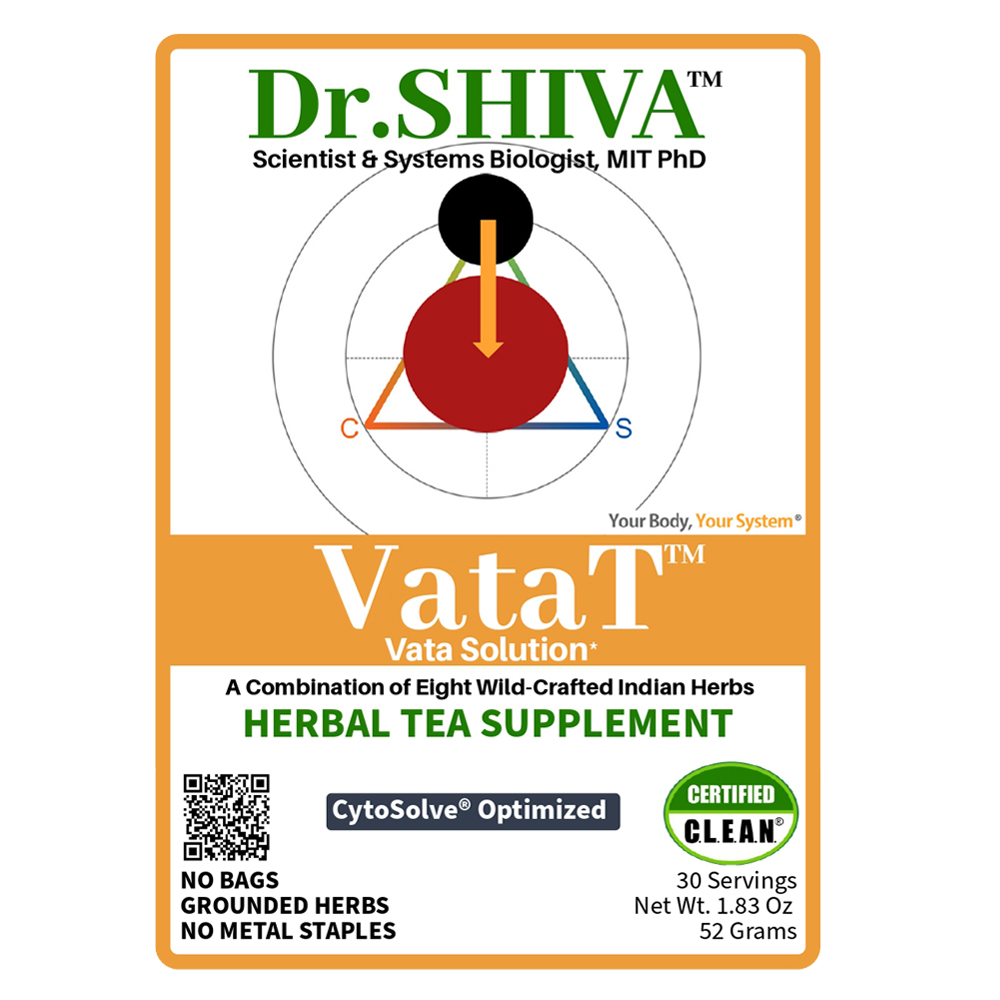
Within this framework, Ashwagandha is understood to primarily reduce Vata, the dosha associated with movement, variability, and instability. Excess Vata is often linked to anxiety, restlessness, and neurological imbalance. By calming Vata, Ashwagandha promotes stability and grounding, which are essential for cognitive function and mental clarity.
At the same time, it stabilizes Pitta and Kapha, contributing to overall systemic balance. However, the appropriateness of Ashwagandha depends on the individual’s baseline state. For someone already balanced, excessive use may not provide additional benefit and could potentially shift the system away from equilibrium.
This perspective highlights a fundamental principle of Systems Health®: interventions must be context-dependent. Rather than asking whether Ashwagandha is “good” or “bad,” the more meaningful question is whether it is appropriate for a specific individual at a specific time.
Integrating Ashwagandha into a Broader Health Strategy
Ashwagandha should not be viewed in isolation but as part of a broader strategy for maintaining and improving brain health. The transcript repeatedly emphasizes that Alzheimer’s disease is a systems-level problem influenced by multiple factors, including diet, lifestyle, stress, and environmental exposures.
Diet plays a central role in this context. Nutrient-dense, minimally processed foods provide the building blocks for cellular function and repair. The concept of clean food certification, as discussed in the transcript, reflects the importance of ensuring that food sources are free from contaminants and retain their natural integrity.
Physical activity supports cardiovascular health, which in turn influences cerebral blood flow and nutrient delivery to the brain. Sleep is essential for processes such as memory consolidation and the clearance of metabolic waste from the brain, including amyloid-beta.
Stress management is another critical component. Chronic stress not only disrupts hormonal balance but also contributes to inflammation and oxidative stress, both of which are central to Alzheimer’s pathology. Ashwagandha’s adaptogenic properties make it a valuable tool in this domain, but it must be complemented by behavioral and environmental interventions.
Education and awareness also play a role. Understanding how different factors interact within the system empowers individuals to make informed decisions about their health. This aligns with the broader goal of enabling individuals to take control of their own well-being through knowledge and tools.
The Role of Dosage in Real-World Contexts
While scientific studies provide general guidelines for dosage, real-world application requires flexibility and adjustment. The transcript outlines several commonly studied dosage ranges, including maintenance doses between 100 and 400 milligrams of extract per day, and higher doses for specific conditions such as chronic stress or Alzheimer’s disease.
These ranges provide a starting point, but individual responses may vary. Factors such as body weight, metabolic rate, existing health conditions, and concurrent medications can all influence how Ashwagandha is processed and utilized by the body.
Gradual titration is often a practical approach, allowing individuals to observe their response and adjust accordingly. Monitoring for both benefits and potential side effects is essential, particularly at higher doses. While Ashwagandha is generally well-tolerated, the possibility of gastrointestinal discomfort or rare liver-related effects should not be overlooked.
This individualized approach reflects the broader systems perspective, where interventions are continuously evaluated and adjusted based on feedback from the system itself.
Bridging Traditional Knowledge and Modern Science
Ashwagandha represents a convergence of ancient wisdom and modern scientific inquiry. Its long history of use in Ayurveda provides a foundation of experiential knowledge, while contemporary research offers insights into its molecular mechanisms.
The transcript illustrates how these two domains can be integrated through systems science. By translating traditional observations into measurable biological interactions, it becomes possible to validate and refine ancient practices within a modern framework.
This integration is not without challenges. Traditional systems often use qualitative descriptors, while modern science relies on quantitative data. Bridging these perspectives requires tools that can accommodate both, allowing for a more comprehensive understanding of health and disease.
The result is a more nuanced approach that respects the complexity of biological systems. It avoids the pitfalls of both reductionism and uncritical acceptance, instead fostering a balanced perspective that draws on the strengths of both traditions.
The Future of Alzheimer’s Intervention
The exploration of Ashwagandha within this framework points toward a broader vision for the future of Alzheimer’s intervention. Rather than relying solely on pharmaceutical solutions, a multi-layered approach is required, incorporating lifestyle, nutrition, natural compounds, and advanced computational modeling.
The transcript highlights initiatives aimed at developing such approaches, including efforts to model disease pathways, identify effective compound combinations, and translate these findings into practical solutions. These efforts reflect a commitment to addressing the root causes of disease rather than merely managing symptoms.
This vision aligns with emerging trends in healthcare, where personalization, prevention, and integration are becoming increasingly important. By leveraging both traditional knowledge and modern technology, it is possible to develop strategies that are both effective and sustainable.
Ashwagandha, as part of this broader landscape, represents a promising avenue for exploration. Its multi-targeted effects and long history of use make it a valuable component of integrated approaches to brain health.
A Systems-Level Conclusion
The journey through Ashwagandha and Alzheimer’s disease reveals a fundamental truth about health: complexity cannot be reduced to simplicity without losing meaning. Diseases like Alzheimer’s are not the result of a single failure but the culmination of interconnected disruptions across multiple systems.
Ashwagandha offers a unique lens through which to view this complexity. Its diverse chemical composition, multi-targeted mechanisms, and adaptability to individual needs reflect the very nature of biological systems themselves. It does not impose a rigid intervention but instead interacts dynamically with the system, supporting balance and resilience.
The systems-based framework described in the transcript provides a pathway for understanding and applying this complexity. By integrating molecular biology, computational modeling, and personalized assessment, it becomes possible to move beyond fragmented approaches and toward holistic solutions.
In this context, Ashwagandha is not a cure, nor is it a standalone answer. It is part of a larger ecosystem of interventions that must be understood, integrated, and personalized. Its true value lies in its ability to contribute to systemic balance, supporting the body’s inherent capacity for self-regulation and repair.
The future of healthcare will likely depend on our ability to embrace this systems perspective. As we move forward, the integration of natural compounds, advanced modeling, and individualized care offers a promising path toward addressing some of the most challenging diseases of our time.
Ashwagandha, rooted in ancient tradition yet illuminated by modern science, stands as a powerful example of what this future may look like.