In this presentation, Dr. SHIVA Ayyadurai, MIT PhD, Inventor of Email and Independent Candidate for President of the United States, explores the powerful benefits of the herb Green Tea for Cardiovascular Health. Using a Systems Health® approach and the CytoSolve® technology platform, he provides a scientific and holistic analysis of how Green Tea supports Cardiovascular Health.
Disclaimer
This content is for informational and educational purposes only. It is not intended to provide medical advice or to take the place of such advice or treatment from a personal physician. All readers/viewers of this content are advised to consult their doctors or qualified health professionals regarding specific health questions. Neither Dr. Shiva Ayyadurai nor the publisher of this content takes responsibility for possible health consequences of any person or persons reading or following the information in this educational content. All viewers of this content, especially those taking prescription or over-the-counter medications, should consult their physicians before beginning any nutrition, supplement, or lifestyle program.
Key Takeaways
1. Green Tea Works as a Systems Medicine, Not a Single-Compound Drug
The synergy of catechins (especially EGCG), theanine, vitamins, and minerals in Camellia sinensis modulates multiple biological networks simultaneously — oxidative stress, inflammation, nitric-oxide signaling, fibrosis, and ferroptosis. This multi-target action restores balance across cardiovascular pathways rather than suppressing symptoms.
2. Cardiovascular Health Is an Emergent Systems Property
Heart function depends on dynamic interactions among oxidative, metabolic, hormonal, and emotional subsystems. True cardiovascular wellness arises when these networks communicate coherently — something that can’t be achieved through single-pathway pharmaceuticals but can be supported through lifestyle, nutrition, and natural compounds such as green tea.
3. CytoSolve® Transforms Food into Quantifiable Medicine
By integrating and mathematically modeling data from tens of thousands of studies, CytoSolve® reveals how natural compounds like green tea operate at the molecular level. This transparent, non-animal, open-science platform demonstrates that computational systems biology can accelerate discovery ethically and effectively.
4. Your Body, Your System® Enables Personalization of Green Tea’s Benefits
The effects of green tea differ according to an individual’s system type — Vata, Pitta, or Kapha. Through the YBYS framework, users can identify their own patterns of transport, conversion, and storage, and tailor green-tea intake (alone or blended with complementary herbs) to maintain equilibrium rather than create imbalance.
5. Truth Freedom Health® Extends Systems Thinking to Society
The same principles that sustain cellular health sustain social health: open communication (Truth), unobstructed flow (Freedom), and dynamic balance (Health). Green tea thus becomes a metaphor for a coherent civilization — one in which knowledge, transparency, and community restore both personal vitality and collective longevity.
Introduction
Green Tea as Nature’s Energy Elixir
Across cultures and centuries, green tea has occupied a unique intersection of tradition, ritual, and medicine. Long before modern laboratories identified its bioactive molecules, generations in Asia recognized that the unfermented leaves of Camellia sinensis possessed the ability to refresh the body, calm the mind, and strengthen endurance. In today’s language, we might call it an adaptogen; in earlier times, it was simply regarded as “nature’s energy elixir.” What ancient healers intuited through experience, contemporary systems science can now explain through molecular insight.
From Leaf to Life: The Origins of a Healing Tradition
Green tea is derived from young leaves of Camellia sinensis that are quickly steamed or pan-fired to prevent fermentation. This preservation of polyphenols—especially the catechin family—distinguishes green tea from its oxidized relatives, oolong and black tea. The cultivation of Camellia sinensis stretches from the misted mountains of China’s Zhejiang province to the volcanic soils of Japan’s Kyushu and the humid highlands of India’s Assam. Over centuries, each culture developed its own method of harvesting and drying, resulting in a diversity of teas—Long Jing, Sencha, Gyokuro, Matcha—all sharing the same biochemical heritage.
What unites these regional expressions is a set of compounds that modern biochemistry has begun to unravel. Among them, epigallocatechin gallate (EGCG) stands at the center. EGCG is the most potent catechin, responsible for much of green tea’s antioxidant, anti-inflammatory, and cardioprotective behavior. Yet EGCG does not work alone. It is part of a molecular orchestra of flavonoids, amino acids such as theanine, essential minerals like magnesium and zinc, and volatile compounds that modulate human physiology through multiple pathways. Understanding this interconnectivity requires more than reductionism; it requires a systems approach.
A Systems View of Health
Every cell in the human body operates as a complex network, not an isolated machine. When one component is disturbed—by stress, toxins, or poor nutrition—the entire network shifts its balance. A cup of green tea may appear simple, but it contains hundreds of molecules interacting simultaneously with thousands of cellular targets. The reductionist approach of studying one molecule at a time cannot capture this complexity. That is why the systems science framework, pioneered and applied by Dr. Shiva Ayyadurai through the CytoSolve® platform, is essential. It allows researchers to model and integrate vast datasets to reveal how combinations of natural compounds produce emergent healing effects.
In this framework, health is defined not merely as the absence of disease but as the maintenance of dynamic equilibrium within and among systems—the circulatory, immune, nervous, and endocrine networks that together sustain life. When we examine green tea through this lens, we can appreciate how its molecular components influence oxidative stress, vascular tone, lipid metabolism, and cellular signaling to support cardiovascular resilience.
Journey to systems
So that’s the VASHIVA Truth Freedom Health movement. And I’ll come back to that. But the foundation of that is really a Systems Approach. So when we look at something like Astragalus, we want to take a Systems Approach to looking at it. The scientific approach of reductionism–where you just look at one little piece of something–is a way that, in many ways, you can fool yourself or those in power can take advantage of you in anything–be it science, be it understanding politics, be it having an argument. When you take an interconnected Systems approach, you get a much better view closer to the truth. So as people are coming in, let me just, I have a new video that I put together that really encourages people to, you know, sort of share my personal Journey to Systems, and you can look at it how your own life has gone. So let me just share this with everyone.
Why Focus on Cardiovascular Health
Cardiovascular diseases remain the leading global cause of mortality. Despite enormous expenditures on pharmaceuticals, lifestyle-related heart conditions continue to rise. This paradox exposes a flaw in conventional strategy: it targets symptoms rather than systems. Drugs often act on a single enzyme or receptor, providing temporary relief while leaving the underlying imbalance untouched. The CytoSolve® approach looks instead at the architecture of disease—how oxidative stress, inflammation, endothelial dysfunction, and lipid peroxidation interact as a network—and then examines how natural compounds such as EGCG can modulate that network holistically.
The choice to study green tea in the context of cardiovascular health is therefore not accidental. Among the thousands of botanicals investigated worldwide, few exhibit such a broad spectrum of actions relevant to the heart and vasculature. Green tea influences nitric-oxide synthesis, regulates inflammatory transcription factors, reduces reactive oxygen species, and modulates gene expression involved in lipid metabolism. In short, it addresses the core nodes of the cardiovascular system’s network.
From Tradition to Transformation
For centuries, traditional systems like Ayurveda and Chinese medicine have described the heart not only as a mechanical pump but as the seat of energetic balance. They recognized the link between emotional coherence, circulation, and longevity. Green tea was prescribed to restore that balance—calming excess heat, promoting clarity, and invigorating sluggish flow. The modern interpretation aligns surprisingly well with these ancient insights. Through modulation of oxidative stress and endothelial relaxation, green tea literally improves flow—of blood, of oxygen, and of information through biochemical signaling.
The convergence of ancient wisdom and modern modeling underscores a deeper truth: the body is a system, and nature provides system-level inputs. The mission of the Truth Freedom Health® movement and its educational arm, Systems Health®, is to equip individuals to see these interconnections for themselves. When people learn how to think in terms of feedback loops and balance rather than isolated parts, they become capable of self-healing and genuine independence.
The Role of CytoSolve® in Uncovering Nature’s Mechanisms
CytoSolve® was created to decode such complexity. By integrating thousands of peer-reviewed papers into dynamic computational models, it allows scientists to simulate how combinations of molecules affect entire biological pathways. Rather than relying on costly animal tests or fragmented hypotheses, this technology provides a transparent, mathematically rigorous foundation for discovery. Applied to green tea, CytoSolve® compiles over two centuries of research—more than 35,000 publications and 1,300 clinical studies—into a coherent map of how its compounds act at the molecular level to protect the heart.
This methodology transforms herbal knowledge into quantifiable science without stripping it of its holistic essence. It demonstrates that the power of green tea does not lie in a single “miracle molecule” but in the synergistic relationships among its constituents. EGCG may activate the AKT-eNOS pathway to increase nitric-oxide production, while other catechins stabilize cell membranes, quench free radicals, and regulate lipid oxidation. Together they form a systemic defense network—precisely the kind of multi-target modulation that the cardiovascular system requires.
The Broader Context – Systems Decline and the Need for Self-Empowered Health
The story of green tea and cardiovascular health cannot be separated from the story of modern human decline. In the midst of technological advancement, medicine, and unprecedented access to information, humanity faces a paradox: longevity curves are flattening, chronic disease is accelerating, and dependence on external systems—political, medical, and economic—is deepening. The promise of progress has yielded fragmentation. Understanding this broader decline is essential, for only by seeing the system as a whole can one appreciate why a return to nature and systems thinking is not nostalgia, but necessity.
The Collapse of a False Paradigm
For the last century, industrial society has been guided by a reductionist paradigm—one that isolates problems, fragments disciplines, and treats the body as a collection of parts rather than an integrated whole. Medicine, influenced by this mechanical worldview, began to view disease as a malfunction of components: a clogged artery, a defective gene, a rogue pathogen. The solution, correspondingly, became an intervention targeted at that component—a drug, a surgery, a synthetic substitute.
While this method achieved remarkable feats in acute care and emergency intervention, it failed catastrophically in chronic disease prevention. Cardiovascular illness, diabetes, neurodegeneration, and autoimmune disorders all share a systems origin—imbalances in interconnected networks of metabolism, inflammation, and stress regulation. Yet modern medicine continues to pursue one-pathway fixes. The result is not healing but management, not balance but dependency.
This mechanistic reductionism did not remain confined to healthcare. It permeated education, economics, and governance, producing generations trained to obey systems rather than understand them. The citizen became a patient, the patient a consumer, and the consumer a passive participant in his own decline.
The Manufactured Crisis of Immunity and Food
The immune system, once the invisible guardian of life, has become one of the most disrupted networks in the modern human body. The overuse of antibiotics, synthetic additives, and environmental pollutants has stripped it of its natural intelligence. Each flu season brings new vaccines and drugs, yet autoimmune and inflammatory diseases continue to rise.
Equally alarming is the degradation of food itself. Industrial agriculture, focused on yield rather than vitality, has replaced nutrient-dense soil with chemical dependency. The result is a food supply abundant in calories but poor in information—the biochemical signals that tell cells how to repair and regenerate. When one ingests lifeless food, the body must expend additional energy simply to maintain equilibrium, leaving little reserve for healing.
The problem, then, is not merely individual choices but the architecture of modern civilization. It is a system that rewards speed over quality, conformity over curiosity, and consumption over consciousness. The cardiovascular system, exquisitely sensitive to these cumulative stresses, becomes the barometer of civilization’s health. Rising blood pressure, plaque formation, and metabolic syndrome are not just biological phenomena—they are cultural symptoms.
The Failure of Governance and the Illusion of Rescue
In times of decline, populations often turn to authority for salvation. Politicians, corporations, and self-proclaimed reformers promise solutions, yet most operate within the same flawed paradigm that caused the problem. Their answers are top-down, designed to preserve control rather than restore autonomy. Whether branded as progressive or conservative, these actors form what Dr. Shiva Ayyadurai calls “the Swarm”—a network of institutions and personalities whose apparent differences conceal a shared objective: maintaining power through managed chaos.
The Swarm thrives on confusion. It tells citizens that experts will save them, that complex problems can be solved by singular leaders, that freedom is dangerous and dependence is safe. In health, this manifests as pharmaceutical paternalism—the belief that well-being comes in a prescription bottle rather than from understanding one’s own physiology. The consequence is learned helplessness. People outsource their agency, and the system rewards compliance with temporary relief while perpetuating chronic imbalance.
The first act of true healing, therefore, is to reclaim responsibility. No government, doctor, or celebrity will save the individual. The path back to health begins with education and the courage to think independently.
Truth Freedom Health®: A Systems Solution
Out of this landscape of fragmentation emerges the Truth Freedom Health® movement—a bottom-up system created to restore coherence. It integrates three interdependent domains:
- Truth—the pursuit of real science and transparency through open systems of knowledge;
- Freedom—the capacity for open communication and decentralized governance;
- Health—the expression of balance and vitality within living systems.
Remove any one of these pillars, and the others collapse. Without freedom, truth is censored; without truth, health degenerates; without health, freedom loses its foundation. The same systemic interdependence that governs the human body governs society itself.
The platform built by Dr. Shiva operationalizes this philosophy through education, community, and direct practice. Participants learn systems theory not as abstract mathematics but as a tool for self-empowerment—how to see relationships, feedback loops, and leverage points within any system, from a metabolic pathway to a political movement. Once one understands the architecture of control, one can begin to design the architecture of liberation.
Education, Economy, and Self-Reliance
A healthy society requires citizens capable of critical thought and productive creativity. Yet modern education trains obedience rather than observation. Students memorize data instead of mastering dynamics. The consequence is an economy of dependency—individuals dependent on employers, patients dependent on insurance, consumers dependent on corporations.
Truth Freedom Health® reverses this model by cultivating self-reliance through practical systems training. Courses in Systems Health® teach how the body functions as an engineering system; programs in entrepreneurship demonstrate how to create value without exploitation; and community forums connect individuals committed to service rather than status.
The principle is simple but revolutionary: when people understand systems, they no longer need to be ruled. Knowledge becomes power not through accumulation but through connection—connecting cause and effect, input and output, symptom and source.
Clean Food, Real Science, and the CytoSolve® Revolution
Parallel to the educational platform, a scientific infrastructure has been developed to bring integrity back to research and product development. CytoSolve® embodies this revolution. By integrating vast data sets from peer-reviewed literature, it models biological systems holistically, enabling discovery without animal testing or corporate manipulation. It aligns perfectly with the Truth Freedom Health® ethos: transparent, collaborative, and empirically grounded.
Complementing this is the C.L.E.A.N. Food Certified initiative, which establishes a global standard for sourcing and manufacturing foods that honor the natural system—from soil to shelf. It ensures that every product carrying its mark has been verified for purity, nutrient integrity, and ethical origin. The initiative goes beyond marketing; it is a practical application of systems thinking to the food supply chain.
Together, these efforts constitute a new paradigm of health—one that empowers individuals to participate actively in their own healing while supporting communities of transparency and accountability. Green tea, as one of nature’s most studied botanicals, becomes both a model and a metaphor for this transformation.
Understanding Cardiovascular Health as a System
The cardiovascular system is more than a mechanical network of vessels and chambers. It is the living infrastructure that sustains the body’s flow of energy and information. Every beat of the heart represents an act of dynamic self-regulation—an expression of balance between pressure and relaxation, conduction and resistance, oxygen delivery and carbon dioxide removal. To understand cardiovascular health, therefore, one must look beyond anatomy and pathology and see the system as a dynamic web of interdependent processes.
The Architecture of Circulation
At its core, the cardiovascular system comprises the heart, arteries, veins, and capillaries, functioning together with the blood and lymphatic system to maintain homeostasis. The heart, a muscular organ of roughly 250 to 350 grams, performs the essential act of pumping approximately 7,000 liters of blood each day. Through arteries, oxygen-rich blood reaches tissues; through veins, deoxygenated blood returns for purification. Embedded within this circulation are countless feedback loops—neural, hormonal, and chemical—that keep the entire system in harmony.
Yet the system is not merely mechanical. Each pulse is modulated by the autonomic nervous system, which adjusts rate and force according to emotional and physical demands. The endocrine system influences it through hormones like adrenaline, cortisol, and thyroid hormone. The renal system modulates blood pressure by adjusting salt and fluid balance. In short, cardiovascular health is the emergent property of multiple subsystems interacting continuously—a quintessential systems problem.
From Structure to Function
To maintain vitality, the cardiovascular system performs four primary functions:
- Transport — delivering oxygen, nutrients, and hormones while removing carbon dioxide and metabolic waste.
- Regulation — maintaining temperature, pH, and fluid balance across tissues.
- Protection — supporting immune surveillance and clotting mechanisms to prevent infection and hemorrhage.
- Communication — conveying biochemical signals that coordinate systemic responses to internal and external stimuli.
These functions depend on the delicate balance between pressure, viscosity, and vessel integrity. When any of these parameters shift chronically, the system adapts—but prolonged adaptation leads to pathology.
The Pathophysiology of Imbalance
Cardiovascular diseases (CVDs) arise when this network of balance is disrupted. The most common forms include:
- Coronary artery disease, characterized by atherosclerotic plaque buildup that narrows arteries and restricts blood flow.
- Hypertension, a chronic elevation of arterial pressure that forces the heart to work harder and damages vessel walls.
- Stroke, resulting from the blockage or rupture of cerebral blood vessels.
- Heart failure, where the heart becomes too weak or stiff to pump effectively.
- Peripheral artery disease, limiting blood flow to limbs and organs.
Each of these conditions represents not a single malfunction but a cascade of dysregulated processes: oxidative stress, chronic inflammation, lipid imbalance, endothelial dysfunction, and fibrosis. The reductionist model—assigning one cause and prescribing one drug—fails because it ignores the systemic origin of these dysfunctions.
Oxidative Stress: The Root of Vascular Aging
At the molecular level, oxidative stress plays a central role in cardiovascular degeneration. It occurs when the production of reactive oxygen species (ROS) outpaces the body’s antioxidant defenses. ROS are byproducts of normal metabolism, but when excessive—through poor diet, pollution, emotional stress, or smoking—they damage cellular components: lipids, proteins, and DNA.
In the vascular endothelium—the inner lining of blood vessels—ROS triggers inflammation and reduces the availability of nitric oxide (NO), a molecule essential for vessel dilation. The loss of NO leads to vasoconstriction, hypertension, and the first steps toward atherosclerosis. Simultaneously, ROS oxidizes LDL cholesterol, which then penetrates arterial walls and provokes immune responses, resulting in plaque formation. Over time, these plaques calcify, stiffen the arteries, and impede flow, culminating in coronary events.
Thus, oxidative stress is not an isolated chemical phenomenon but the biochemical reflection of systemic imbalance—a perfect example of how molecular events mirror lifestyle and environmental conditions.
Endothelial Dysfunction: The Hidden Precursor
The endothelium—once dismissed as inert lining—is now recognized as a dynamic endocrine organ. It secretes NO, prostacyclins, and endothelins, all of which regulate vascular tone, platelet aggregation, and immune signaling. When the endothelium becomes dysfunctional, the balance between vasodilation and vasoconstriction collapses. The vessels lose elasticity, blood pressure rises, and the risk of clot formation increases.
Endothelial dysfunction precedes visible cardiovascular disease by years, making it a powerful early biomarker. It is here that interventions such as green tea exert measurable impact, as we shall later see through the activation of eNOS (endothelial nitric oxide synthase) via the AKT signaling pathway.
Inflammation and Fibrosis: The Vicious Cycle
Inflammation is the body’s healing response, but when chronic, it becomes destructive. In the cardiovascular system, inflammatory cytokines such as TNF-α, IL-6, and NF-κB initiate processes that thicken vessel walls and stimulate fibroblast proliferation. These fibroblasts deposit excessive extracellular matrix (ECM) proteins like collagen, leading to fibrosis—a stiffening of cardiac and vascular tissues. The heart, once elastic and adaptive, becomes rigid and inefficient.
A crucial mediator of this process is Angiotensin II, which stimulates ROS generation through the NADPH oxidase complex, triggering NF-κB activation and subsequent upregulation of CTGF (Connective Tissue Growth Factor). The result is an overproduction of collagen and fibrosis. Green tea’s major catechin, EGCG, has been shown to intercept this cascade by blocking ROS generation and suppressing CTGF expression—illustrating how molecular insights translate into functional protection.
Lipid Dysregulation and Ferroptosis
Beyond inflammation and oxidative damage, a newer mechanism has gained attention: ferroptosis, a form of iron-dependent cell death driven by lipid peroxidation. In myocardial cells, the enzyme ACSL4 (Acyl-CoA synthetase long-chain family member 4) catalyzes the accumulation of oxidized lipids, leading to ferroptotic injury during ischemia and reperfusion events such as heart attacks.
The discovery that EGCG upregulates microRNA-450b-5p, which in turn inhibits ACSL4, provides a mechanistic explanation for green tea’s cardioprotective effects. By curbing ferroptosis, EGCG helps preserve cardiomyocyte viability and prevents myocardial infarction-induced cell death. This mechanistic elegance exemplifies the power of systems modeling—identifying connections invisible to linear thinking.
Psychological and Environmental Inputs
A systems view of cardiovascular health cannot ignore psychological stress and environmental toxicity. Chronic stress elevates cortisol and adrenaline, constricting vessels and raising blood pressure. Environmental pollutants such as heavy metals and particulate matter contribute additional oxidative burden. Sedentary lifestyles diminish endothelial responsiveness, while processed foods flood the bloodstream with inflammatory lipids and refined sugars.
These are not independent risk factors; they form a network of positive feedback loops that sustain disease. For example, stress alters sleep patterns, poor sleep increases insulin resistance, and insulin resistance heightens vascular inflammation. The complexity of these loops defies reductionist intervention. Only a holistic, feedback-aware strategy—like that employed by CytoSolve®—can accurately model and interrupt them.
Modern Treatments: Strengths and Limitations
Contemporary medicine offers several interventions:
- Pharmacological — such as beta-blockers, ACE inhibitors, calcium-channel blockers, and statins. These drugs modify specific biochemical pathways, often with success in acute management.
- Surgical and interventional — including angioplasty, stenting, bypass grafts, and valve replacements, which physically restore circulation.
- Lifestyle interventions — exercise, dietary regulation, and smoking cessation, which address broader causes.
While these measures save lives, they rarely restore systemic balance. A patient on statins may lower cholesterol levels yet continue to experience endothelial dysfunction if oxidative stress remains unaddressed. Similarly, bypass surgery reroutes blood flow but does not correct the underlying metabolic and inflammatory state that caused the blockage. The system remains vulnerable.
Reframing Cardiovascular Health
To move beyond management toward regeneration, we must redefine cardiovascular health as a systems property, not a clinical metric. True cardiovascular wellness arises when:
- Oxidative and antioxidative forces are balanced.
- Inflammatory signals are transient and self-limiting.
- Endothelial function remains intact and responsive.
- Neural, hormonal, and metabolic rhythms remain coherent.
- The individual’s lifestyle and environment support homeostasis.
Achieving this state requires inputs that work across multiple pathways simultaneously—precisely the realm in which botanical compounds excel. Unlike synthetic drugs that target one receptor, plants contain synergistic molecules that engage entire networks. Green tea, with its spectrum of catechins, amino acids, and micronutrients, operates on this systemic level.
A Systems Science Framework for Intervention
The CytoSolve® process models the cardiovascular network as an interconnected web of molecular reactions. Within this framework, every molecule, enzyme, and signaling pathway is represented mathematically. Inputs like EGCG are introduced to observe how they alter outputs—such as nitric oxide production, ROS levels, or fibrosis markers. The resulting simulations reveal patterns that traditional experimentation often overlooks: nonlinear effects, threshold behaviors, and synergistic interactions among compounds.
This methodology allows scientists to test thousands of combinations virtually before proceeding to validation. It also democratizes discovery, inviting public participation through the Open Science Institute™, where contributors can support projects like the CardioSolve™ Initiative. The goal is not to replace traditional research but to integrate it—bridging the wisdom of nature, the rigor of computation, and the creativity of human collaboration.
Green Tea in Traditional and Modern Medicine
The story of green tea is the story of human civilization itself—a chronicle of how observation, ritual, and nature’s chemistry converged long before laboratories existed. For millennia, people turned to the leaves of Camellia sinensis not merely for taste or stimulation, but for balance. In Asia, Africa, and the Middle East, tea became both medicine and metaphor: a daily act of purification, focus, and renewal. Only in the last century has modern science begun to uncover what ancient cultures already understood—that this humble leaf holds within it an entire pharmacopoeia of healing potential, particularly for the heart.
Origins and Cultural Continuity
The earliest legends of tea trace to ancient China, around 2737 BCE, when Emperor Shennong, the father of agriculture and medicine, was said to have discovered it accidentally as wild leaves drifted into his boiling water. The emperor’s curiosity transformed an accident into an enduring tradition. For thousands of years thereafter, Chinese physicians described tea as a cooling, cleansing agent that “brightens the eyes and invigorates the heart.”
From China, tea traveled along trade routes to Korea and Japan, then westward to Persia, the Ottoman Empire, and Europe. Yet across these vastly different geographies, one theme persisted: tea was a substance that harmonized energy. Whether in the scholar’s study, the monastery, or the village courtyard, drinking tea was as much an exercise in mental clarity as in physical restoration.
In Japan, the philosophy of Chanoyu—the ceremonial preparation of tea—elevated this understanding to art. The ceremony’s deliberate sequence of gestures symbolized harmony (wa), respect (kei), purity (sei), and tranquility (jaku). Within that ritual lay an implicit systems insight: that order, attention, and balance within action reflect balance within the body. When modern physiology later revealed that tea catechins reduce oxidative stress and modulate neurotransmitters, it confirmed what the practitioners of Chanoyu experienced intuitively: coherence of mind and heart.
Green Tea in Indigenous and Ayurvedic Practice
While Asia cultivated the plant, neighboring cultures integrated its use into broader medical frameworks. In the Indian subcontinent, tea found its place alongside other botanicals in Ayurveda, the world’s oldest codified system of medicine. Ayurveda classifies substances by their effects on the three doshas—Vata, Pitta, and Kapha—representing motion, transformation, and structure.
Green tea, with its light, astringent, and gently stimulating qualities, was traditionally regarded as Vata-increasing but Pitta- and Kapha-reducing. In practical terms, this means it sharpens awareness, aids metabolism, and reduces stagnation or heaviness—functions that directly correspond to improved circulation and reduced congestion. Ayurvedic texts also noted that tea “clears the channels,” a poetic description that parallels what modern biology calls improved endothelial function.
Beyond Ayurveda, Unani medicine—a Greco-Arabic system practiced across the Middle East and South Asia—classified tea as mufarreh-e-qalb, a tonic that “gladdens the heart.” It was prescribed to alleviate palpitations, strengthen the spirit, and calm excess heat, reflecting an early understanding of tea’s antioxidative and vasorelaxant properties. These ancient physicians may not have known of nitric oxide or catechins, yet their empirical conclusions align remarkably with contemporary findings.
Varieties and Preparation: A Spectrum of Chemistry
Different cultures produced distinctive teas, each shaped by soil, altitude, and method of processing—variables that modern phytochemistry recognizes as determinants of molecular composition.
- Chinese Green Tea – The birthplace of green tea cultivation, China developed a vast taxonomy of varieties, from Lung Ching (Dragon Well) to Bi Luo Chun. Chinese teas are typically pan-fired, preserving a grassy aroma while slightly reducing catechin oxidation. Their chemistry leans toward a balanced mix of EGCG, epicatechin (EC), and epicatechin gallate (ECG).
- Japanese Green Tea – In contrast, Japanese processing relies on steaming, which halts oxidation almost instantly and locks in chlorophyll, giving teas like Sencha, Gyokuro, and Matcha their vivid green hue. This method yields higher concentrations of EGCG and the amino acid L-theanine, known for promoting alpha-wave brain activity and calm alertness. Matcha, in which the entire leaf is powdered and consumed, offers maximal nutrient exposure and has become the focal point of numerous cardiovascular and neuroprotective studies.
- Oolong Tea – Partially oxidized, oolong bridges the chemical space between green and black tea. Its moderate oxidation produces complex polyphenols that still retain catechin derivatives. While milder in stimulant effect, oolong’s partial fermentation yields unique theaflavins beneficial for lipid metabolism.
Through these variations, we witness how subtle shifts in processing alter the plant’s biochemical network—an example of systems modulation in practice. Temperature, drying time, and even leaf maturity change the ratios of antioxidants, amino acids, and volatile oils, thereby influencing both taste and therapeutic value.
Traditional Therapeutic Uses
For centuries, healers across Asia prescribed green tea for conditions that today we would associate with oxidative stress and metabolic imbalance. Among its classical uses were:
- Cardiac tonification: to strengthen the heart, reduce palpitations, and enhance stamina.
- Digestive balance: to relieve bloating and aid lipid digestion after meals.
- Detoxification: to “clear heat and toxins” from the liver and bloodstream, now understood as the promotion of antioxidant defense.
- Cognitive sharpening: as a mild stimulant enhancing mental clarity without the agitation of stronger alkaloids.
- Weight regulation: to counter excessive Kapha, or sluggish metabolism.
- Mood elevation: to restore calm through its theanine-mediated modulation of GABA and dopamine pathways.
The integration of these functions illustrates the holistic intent of traditional medicine. The goal was never to suppress a symptom but to re-establish systemic harmony—a goal perfectly consistent with modern systems biology.
From Empiricism to Evidence: The Modern Turn
When Western science first encountered tea, it sought to isolate its “active principles.” In the nineteenth century, chemists identified caffeine and tannins; later, twentieth-century researchers mapped a vast family of polyphenolic catechins—including EGCG, EGC, ECG, and EC—as the molecules primarily responsible for tea’s antioxidant behavior.
By the early 2000s, thousands of peer-reviewed studies had linked these compounds to improvements in lipid profiles, blood pressure, endothelial function, and arterial elasticity. Epidemiological data showed lower cardiovascular mortality among populations with habitual green-tea consumption. Yet individual results varied, highlighting what traditional systems had always emphasized: context matters. The same cup that soothes one constitution may overstimulate another.
This realization opened the door for systems modeling—an approach capable of integrating such variability into predictive frameworks. CytoSolve®, built precisely for this purpose, allows the aggregation of decades of research into computational maps that reflect how green-tea molecules interact within human biology. In essence, it translates centuries of empirical practice into quantifiable science.
Green Tea and the Philosophy of Food as Medicine
The principle underlying both Ayurveda and the Truth Freedom Health® movement is that food is medicine when understood systemically. Every edible plant represents a conversation between environment and organism. When consumed with awareness, it delivers information—chemical signals that instruct the body to adapt, repair, and evolve.
Green tea epitomizes this philosophy. It is not a pharmaceutical bullet but an informational input. Its catechins act as feedback correctors within the cardiovascular system, restoring equilibrium where stress or toxicity has introduced distortion. This makes it an ideal candidate for CytoSolve’s open-science exploration, which seeks to identify such multi-target regulators capable of promoting coherence rather than suppression.
Cultural Legacy and Global Relevance
In today’s world of synthetic beverages and stimulant overload, green tea endures as a symbol of moderation and clarity. Its renaissance in the West—spanning specialty cafés, nutraceutical markets, and scientific symposia—reflects a collective yearning to reconnect with natural intelligence. Yet it also demands responsibility: sourcing must respect ecology, processing must preserve bioactivity, and education must prevent commodification from diluting authenticity.
Projects such as the Certified C.L.E.A.N.® and Certified R.A.W.® standards have emerged to safeguard that integrity, ensuring that consumers receive teas produced without contaminants and with full transparency of origin. These initiatives mirror ancient values—purity, honesty, and respect for nature—recast through modern systems of accountability.
The CytoSolve® Innovation Approach to Food as Medicine
Modern science stands at a crossroads. On one side lies the fragmented world of reductionist research — millions of disconnected studies, each isolated within a narrow field. On the other stands an emerging systems paradigm that recognizes the body as an integrated network of networks. At the intersection of these worlds is CytoSolve®, a technology and methodology designed to unite scientific knowledge, model biological complexity, and accelerate discovery — not through speculation, but through the mathematics of reality.
The Birth of a New Scientific Architecture
CytoSolve® emerged from a simple yet revolutionary question:
What if we could integrate the knowledge contained in thousands of peer-reviewed papers and simulate biological processes in silico — before entering the laboratory or the human body?
The answer required not only technological sophistication but also a philosophical shift. Instead of treating each molecule as an isolated variable, CytoSolve® treats the cell as a dynamic system governed by interdependent chemical reactions. By translating biological interactions into mathematical rate equations, it reconstructs the architecture of life itself — allowing researchers to test hypotheses and compound combinations within a living model of the virtual cell.
This approach was developed over two decades by Dr. Shiva Ayyadurai, MIT PhD and systems scientist, whose goal was to democratize innovation. The conventional pharmaceutical model is costly, opaque, and wasteful — relying heavily on trial and error, animal testing, and corporate secrecy. CytoSolve® replaces that inefficiency with open collaboration, transparency, and computational precision. It represents the true realization of open science — knowledge used in service of humanity rather than monopoly.
From Literature to Living Model: The CytoSolve® Process
The CytoSolve® process unfolds through six systematic phases, each designed to replicate how nature herself integrates information:
- Mapping the Molecular Pathways
Every project begins with an exhaustive review of the scientific literature. Thousands of papers are mined for molecular interactions — the enzymes, receptors, transcription factors, and metabolites involved in a particular physiological process. These interactions are curated and organized into a systems architecture, revealing how signals flow through the network.
For cardiovascular health, this means mapping pathways of oxidative stress, nitric-oxide production, inflammation, and fibrosis. The resulting model captures how these networks intersect, making visible what no single experiment could ever reveal. - Scientific Publication and Peer Review
Once a complete systems architecture is developed, the findings are documented and published. Transparency is essential: open peer review ensures credibility and allows other scientists to build upon the foundation. Each publication becomes part of the evolving “map” of biological truth — not hidden behind corporate patents but shared for collective advancement. - Mathematical Modeling
The next step is to convert biological interactions into quantitative equations based on the principles of physical chemistry and systems dynamics. These equations describe how molecules interact over time — how quickly reactions occur, how signals amplify or decay, and how feedback loops stabilize or destabilize the system. The virtual model behaves like the living cell: dynamic, nonlinear, and adaptive. - Combination Screening and Simulation
Once the mathematical model is built, CytoSolve® performs high-throughput computational screenings to test thousands of compound combinations. This is where food becomes medicine at the molecular level. Instead of guessing which ingredients might work, the platform simulates how specific molecules — like EGCG from green tea or curcumin from turmeric — influence multiple pathways simultaneously.
The outcome is a prioritized set of combinations predicted to deliver optimal synergistic effects with minimal toxicity. It is a precise science of synergy. - Validation, Patent, and Translation to Product
Promising combinations identified through in-silico analysis are validated in laboratory or clinical settings. When confirmed, they are protected through intellectual property rights — not to limit access, but to ensure ethical deployment. From there, the discoveries are licensed or developed into commercial products that deliver tangible health benefits. - Licensing, Manufacturing, and Open Dissemination
Finally, the insights become accessible to the world — whether through nutritional supplements, educational programs, or new research initiatives. Each successful model feeds back into the CytoSolve® knowledgebase, strengthening the next cycle of discovery. The result is a continuously self-learning scientific ecosystem.
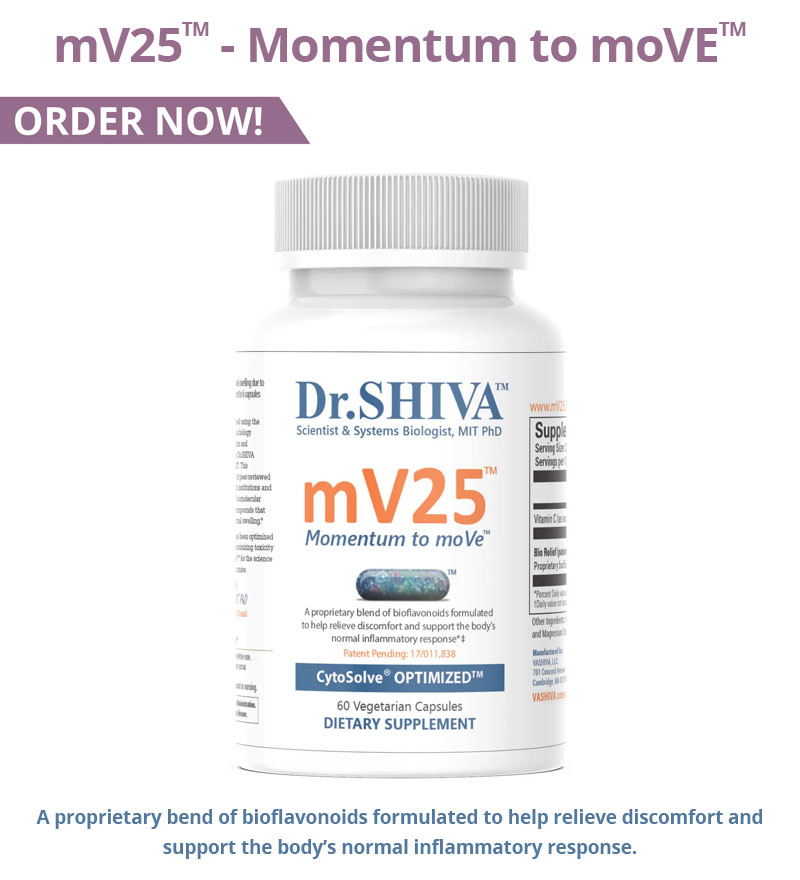
Case Study: mV25™ and the Proof of Concept
Before applying this method to cardiovascular health, the CytoSolve® process had already demonstrated its transformative power in the development of mV25™, a botanical formulation for joint health.
- The team began by mapping the complete molecular architecture of osteoarthritis — including inflammation, cartilage degradation, oxidative stress, and pain signaling pathways.
- They then analyzed hundreds of natural compounds described in published studies.
- Through modeling and combination screening, two specific ingredients were identified that synergistically modulated all major pathways.
- The formulation was validated, patented, and produced, earning the first U.S. patent for a multi-ingredient botanical discovered entirely through computational systems biology.
mV25™ became not only a product but a proof — evidence that a transparent, non-animal, systems-based process could outpace the billion-dollar pharmaceutical industry in both efficiency and ethics. The same approach now underlies the CardioSolve™ Initiative, applying this model to cardiovascular health.
Application to Green Tea and Cardiovascular Health
In the context of Camellia sinensis, CytoSolve® aggregates over 35,000 research publications and 1,300 clinical trials spanning more than two centuries. The data reveal 31 key molecules within green tea, organized into functional categories: catechins, amino acids, vitamins, minerals, and volatile compounds.
By mapping these molecules against cardiovascular pathways, CytoSolve® identifies where they act — from nitric-oxide synthesis and lipid regulation to ROS scavenging and anti-fibrotic signaling. The resulting systems model provides a panoramic view of how green tea interacts with the cardiovascular network.
For example, EGCG’s stimulation of the AKT-eNOS pathway enhances nitric-oxide production, relaxing vessels and lowering blood pressure. Simultaneously, its suppression of Angiotensin II–induced ROS prevents fibrosis, while its regulation of microRNA-450b-5p protects cardiac cells from ferroptosis. Each of these mechanisms corresponds to a specific node within the systems model, validated by published studies and integrated into one coherent representation.
Integration with the Truth Freedom Health® Framework
CytoSolve® is not an isolated research tool; it is part of a larger ecosystem that integrates science, politics, and health. The Truth Freedom Health® movement provides the social infrastructure for the same principles that govern biological systems — transparency, feedback, and distributed intelligence.
Just as cellular networks maintain balance through communication and adaptation, societies maintain liberty and health through education and collaboration. The open-science model of CytoSolve® mirrors this dynamic: collective intelligence replacing hierarchical control. Anyone — scientist, student, or citizen — can contribute to ongoing research through the Open Science Institute™, participate in symposiums, or sponsor studies such as the Cardiovascular Health Initiative.
This democratization of discovery transforms scientific progress into a shared endeavor rather than a proprietary industry. It is not merely technology; it is a philosophy of participation.
From Modeling to Manufacturing: Translating Knowledge into Action
CytoSolve’s discoveries do not remain theoretical. They are embodied in tangible products that embody systems science. Examples include:
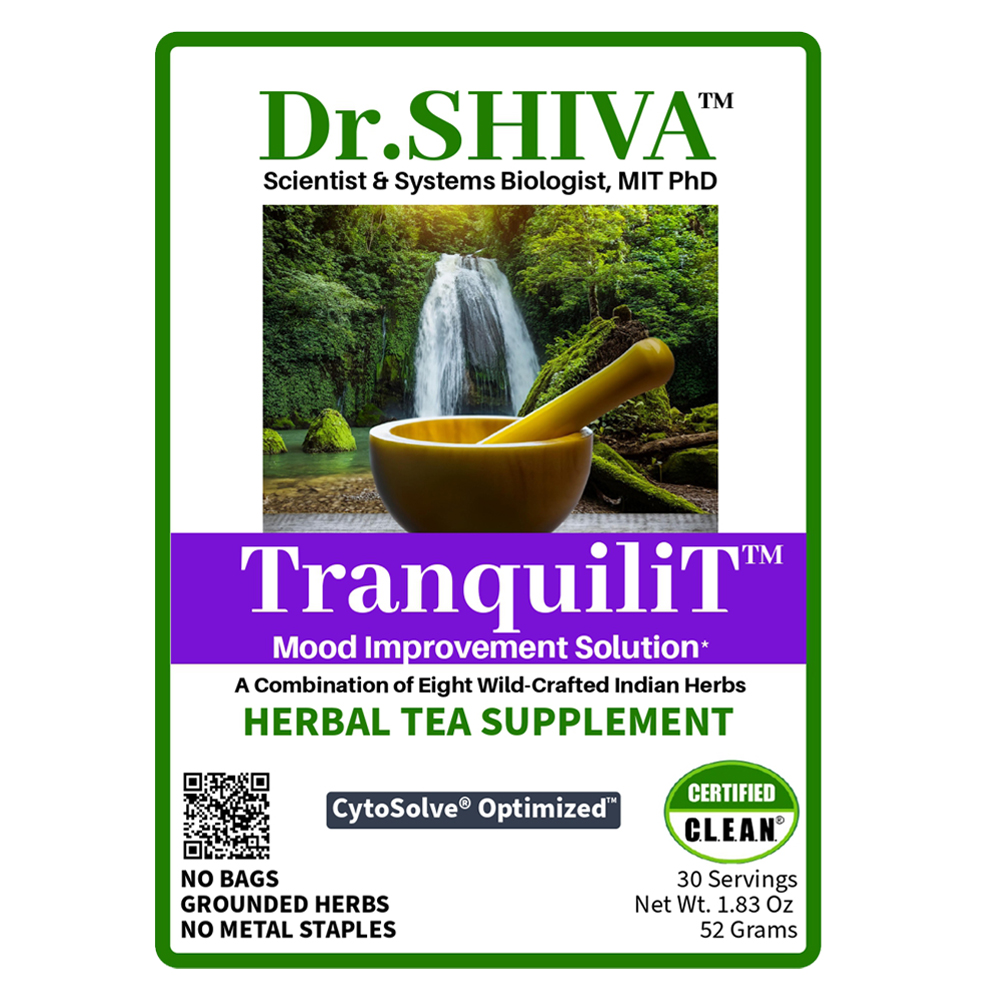
- Healthy Tea™ — Seven functional tea blends (Joint, Digest, Breathe, Tranquili, Detoxy, Femini, and Immuni) formulated from computational modeling of synergistic botanicals.
- YourT™ — A dosha-based tea series (Vata, Pitta, Kapha, and their combinations) that personalizes botanical inputs to individual constitutions, bridging Ayurveda with systems biology.
- K97-01™ — A whole-health formulation for pets, created without animal testing, representing the same compassionate science extended to all living systems.
Each product demonstrates how CytoSolve® transforms theoretical understanding into ethical, effective solutions. They also serve as funding and feedback channels — reinvesting resources into further research and community education.
CardioSolve™: The Next Frontier
With the success of prior initiatives, CytoSolve® now turns its focus toward cardiovascular health through the CardioSolve™ Initiative — a comprehensive effort to model, simulate, and identify natural compound combinations that restore vascular balance.
Phase One involves mapping the Systems Architecture of Cardiovascular Health, centering on oxidative stress, endothelial dysfunction, and fibrosis. Phase Two integrates this architecture into mathematical equations. Phase Three transitions to combination screening, where green tea and 18 other botanicals — such as garlic, ginger, turmeric, ginseng, arjuna, and licorice — are computationally evaluated for synergistic cardioprotective effects.
Unlike conventional research, which isolates one compound at a time, CardioSolve™ examines how these botanicals interact as a community of molecules — much like ecosystems in nature. The initiative thus represents not only scientific advancement but also a new paradigm of cooperation among researchers, donors, and educators committed to open discovery.
Molecular Architecture of Green Tea – Active Compounds and Mechanisms
If CytoSolve® represents the science of integration, green tea represents the perfection of nature’s design. Within each leaf of Camellia sinensis exists an orchestra of molecules tuned by evolution to achieve harmony across human physiology. When studied in isolation, each molecule seems simple; when viewed as a system, their synergy reveals one of the most elegant natural pharmacologies ever discovered. The story of green tea’s cardiovascular benefits begins at this molecular level — where chemistry becomes biology and biology becomes healing.
The Molecular Composition of Green Tea
Green tea is composed of more than 300 bioactive constituents. Among these, 31 key molecules have been identified as functionally significant in human physiology. They fall into five main categories:
- Catechins (Flavonoids):
- Epigallocatechin gallate (EGCG)
- Epigallocatechin (EGC)
- Epicatechin gallate (ECG)
- Epicatechin (EC)
These four primary catechins are the most potent antioxidants and define green tea’s biochemical signature. EGCG alone accounts for nearly 50–60% of total catechin content and is the most researched phytochemical in green tea.
- Amino Acids:
- L-Theanine, Tyrosine, Tryptophan, Threonine, Serine, Glycine, Glutamic Acid, 5-N-ethylglutamine, and others.
These amino acids contribute to neurological balance, stress reduction, and vascular tone by influencing neurotransmitters and nitric-oxide pathways.
- L-Theanine, Tyrosine, Tryptophan, Threonine, Serine, Glycine, Glutamic Acid, 5-N-ethylglutamine, and others.
- Vitamins:
- Vitamins A, B2, B3, C, E, and K.
Each of these plays a role in antioxidant defense, collagen synthesis, and metabolic regulation — processes vital to vascular health.
- Vitamins A, B2, B3, C, E, and K.
- Minerals:
- Potassium, Calcium, Magnesium, Fluoride, Chromium, Selenium, Zinc, Cobalt, and Nickel.
These trace elements serve as cofactors for enzymes that regulate blood pressure, muscle contraction, and redox balance.
- Potassium, Calcium, Magnesium, Fluoride, Chromium, Selenium, Zinc, Cobalt, and Nickel.
- Volatile Compounds:
- Alcohols, esters, aldehydes, and hydrocarbons.
Though present in small amounts, they contribute to aroma and may support absorption of fat-soluble antioxidants.
- Alcohols, esters, aldehydes, and hydrocarbons.
Together, these classes of molecules create a biochemical network capable of addressing nearly every axis of cardiovascular dysfunction — from oxidative stress and endothelial damage to lipid peroxidation and cellular apoptosis.
Biological Spectrum of Green Tea
Through the integration of thousands of studies, CytoSolve® identified nine major biological effects of green tea’s molecular ensemble:
- Antioxidant – Neutralizing ROS and RNS to reduce oxidative damage.
- Anti-inflammatory – Modulating NF-κB, COX-2, and cytokine cascades.
- Cardioprotective – Enhancing nitric-oxide synthesis and reducing fibrosis.
- Anti-cancer – Regulating apoptosis and cell-cycle checkpoints.
- Anti-diabetic – Improving insulin sensitivity and glucose metabolism.
- Neuroprotective – Protecting neurons via L-theanine and catechin synergy.
- Anti-microbial – Inhibiting bacterial and viral replication.
- Immunomodulatory – Supporting T-cell regulation and cytokine balance.
- Anti-angiogenic and anti-arthritic – Limiting pathological growth and inflammation in joints.
While each of these properties has systemic implications, their collective impact on cardiovascular health is profound — targeting both the root causes and downstream effects of vascular disease.
Mechanism 1: Vasorelaxation via the AKT–eNOS Pathway
One of the most critical pathways for heart health is the AKT–eNOS–NO signaling cascade. This pathway regulates the production of nitric oxide (NO), the molecule responsible for dilating blood vessels and ensuring smooth blood flow.
- Activation: EGCG activates the AKT (Protein Kinase B) pathway within endothelial cells.
- Enzymatic Conversion: Activated AKT phosphorylates eNOS (Endothelial Nitric Oxide Synthase).
- NO Synthesis: eNOS catalyzes the conversion of L-arginine into NO and L-citrulline.
- Vasorelaxation: Nitric oxide diffuses into surrounding smooth-muscle cells, stimulating guanylate cyclase to increase cyclic GMP, leading to relaxation of vascular smooth muscle.
The result is lower blood pressure, improved blood flow, and enhanced oxygen delivery to tissues. This pathway demonstrates how a single molecular trigger can yield systemic physiological outcomes — the essence of systems biology in action.
Mechanism 2: Anti-Fibrotic Action through Inhibition of Angiotensin II and ROS
Cardiac fibrosis occurs when excessive collagen is deposited in the myocardium, stiffening the heart and impairing its function. The culprit is often Angiotensin II, which stimulates the production of Reactive Oxygen Species (ROS) in cardiac fibroblasts. These ROS activate NF-κB, which upregulates CTGF (Connective Tissue Growth Factor), driving collagen synthesis and fibroblast proliferation.
EGCG interrupts this destructive feedback loop through several mechanisms:
- Suppressing NADPH oxidase, thereby reducing ROS generation.
- Inhibiting NF-κB activation, preventing the transcription of pro-fibrotic genes.
- Downregulating CTGF, directly limiting extracellular matrix buildup.
Through these combined effects, EGCG prevents the progression of fibrosis and helps preserve the elasticity of cardiac tissues. Unlike synthetic antifibrotic drugs, which target single enzymes, green tea modulates the entire network of fibrosis signaling.
Mechanism 3: Protection Against Myocardial Infarction via Anti-Ferroptotic Regulation
A recent discovery in cardiac pathology is the role of ferroptosis, an iron-dependent form of cell death driven by lipid peroxidation. During myocardial infarction, oxidative stress induces ACSL4, an enzyme that catalyzes the formation of lipid ROS, leading to cell destruction.
EGCG mitigates this process through the microRNA-450b-5p / ACSL4 axis:
- It increases the expression of microRNA-450b-5p, which binds to the ACSL4 mRNA, inhibiting its translation.
- This reduces the accumulation of lipid ROS.
- As lipid peroxidation declines, ferroptotic cell death is curtailed.
The result is the preservation of cardiomyocyte viability, reduced infarct size, and enhanced recovery after ischemic events. This mechanism highlights green tea’s sophistication: it operates at both genetic and enzymatic levels to maintain cardiac integrity.
Molecular Cross-Talk: The Systems View
While each mechanism can be diagrammed individually, their real power lies in cross-talk — the interaction among pathways that creates emergent properties.
For example:
- NO production (vasorelaxation) reduces oxidative stress by improving oxygen delivery.
- Lower oxidative stress suppresses NF-κB, reducing inflammation.
- Reduced inflammation decreases fibroblast activation, preventing fibrosis.
- Enhanced blood flow and reduced fibrosis together stabilize cardiac rhythm and efficiency.
This cascade is not linear but cyclical — each benefit reinforcing the next. In systems terms, green tea shifts the cardiovascular network from a positive feedback loop of degeneration to a negative feedback loop of regeneration.
Bioavailability and Dosage
Scientific analyses suggest that 3 to 10 cups of green tea per day, prepared with approximately 1 gram of leaf per 100 mL of water, can deliver physiologically relevant levels of catechins. For concentrated extracts, doses between 160 mg and 2,400 mg per day of total catechins have shown cardiovascular and neuroprotective benefits.
However, individual response varies according to metabolic rate, liver function, and dosha constitution. Excessive intake may cause mild nausea, dizziness, or headaches — signs of overstimulation of Vata energy. Balance and personalization remain key, principles further elaborated through the Your Body, Your System® framework discussed in the next section.
Safety and Interaction Considerations
Though generally safe, green tea’s potency warrants respect. Its catechins can interact with medications that affect clotting (such as warfarin), and excessive caffeine intake may temporarily raise heart rate in sensitive individuals. For most people, moderate consumption delivers benefits without risk, but as with all powerful botanicals, context determines compatibility.
From Systems Biology to Personalized Health – The Role of Your Body, Your System®
Personalization: The Missing Dimension in Modern Health
For the past century, medicine has been designed around averages — the “standard patient,” the “recommended dose,” the “one-size-fits-all” protocol. Yet the human organism defies uniformity. Genetic diversity, environmental exposures, emotional states, and lifestyle factors create billions of unique physiological configurations.
When individuality is ignored, interventions that help some may harm others. The same antioxidant that reduces oxidative stress in one body may trigger over-stimulation in another already in high metabolic flux. The goal of personalized Systems Health® is to move beyond statistical medicine toward contextual medicine — to understand the pattern of a person, not just their parts.
Your Body, Your System® (YBYS) operationalizes this approach by giving individuals the ability to map their own physiological state within the framework of systems theory. It transforms abstract principles into an intuitive interface through which anyone can understand their unique configuration and the influence of foods, herbs, and experiences on their equilibrium.
The Systems Foundation: Transport, Conversion, and Storage
At the heart of YBYS lies a simplified model derived from engineering systems principles. Every system, whether mechanical or biological, involves three fundamental processes:
- Transport (Vata): The movement of energy, information, and matter throughout the system. In the human body, this corresponds to circulation, respiration, and neural communication.
- Conversion (Pitta): The transformation of inputs into outputs — metabolism, digestion, and cellular signaling.
- Storage (Kapha): The structuring and preservation of energy, tissues, and stability.
When these three subsystems are in dynamic balance, the body expresses vitality. When one dominates or declines, symptoms arise. Modern physiology expresses this as homeostatic imbalance; Ayurveda expressed it as disturbance of doshas. Systems theory expresses it as perturbation from equilibrium.
YBYS translates these age-old insights into a quantitative framework. Through a series of guided self-assessments, it identifies the individual’s baseline pattern (the Prakriti) and current state (the Vikriti). The relationship between these two — visualized as two points within a systems diagram — reveals how far the body has moved from its natural state and which direction corrective actions should take.
How Green Tea Interacts with Individual Systems
Within this model, green tea serves as a system-modulating input rather than a universal solution. Its effects depend on the existing state of the system. CytoSolve’s analysis reveals that green tea increases Transport (Vata) while reducing Conversion (Pitta) and Storage (Kapha).
For Vata-dominant individuals:
Because green tea amplifies Transport, those with already elevated Vata — characterized by restlessness, dryness, or irregularity — may experience overstimulation. Moderate or limited intake, preferably blended with warming herbs such as ginger or licorice, is ideal.
For Pitta-dominant individuals:
Green tea’s cooling, anti-inflammatory nature counterbalances excess metabolic heat. It calms the cardiovascular system, supports focus, and mitigates anger or irritability. For Pitta types, green tea is generally highly beneficial, particularly varieties like Sencha or Gyokuro.
For Kapha-dominant individuals:
Green tea’s astringent, light, and stimulating properties counteract heaviness and sluggish circulation. It enhances fat metabolism, reduces fluid retention, and re-energizes stagnant systems. For Kapha types, consistent moderate use — 2–4 cups daily — is favorable.
Thus, in systems terms, green tea is primarily a Vata-activating and Pitta- and Kapha-reducing input. The degree to which this is desirable depends entirely on the individual’s baseline dynamics.
Green Tea, Systems Health®, and the Path to a Truth Freedom Health® Future
At the molecular level, the story of green tea is the story of coherence. At the human level, it is the story of self-regulation. And at the societal level, it is the story of freedom through knowledge. Each of these domains — biological, personal, and collective — reflects the same underlying law of systems: the drive toward balance through feedback, adaptation, and integrity. In this closing synthesis, we explore how the ancient leaf of Camellia sinensis becomes a symbol and a teacher for the next stage of human evolution — one guided by the principles of Systems Health® and the Truth Freedom Health® movement.
An Invitation to Participate
The journey of green tea — from ancient leaf to computational model — reflects the evolution of consciousness itself: from observation, to understanding, to application. Each stage requires participation. The future of health and science will not be written by institutions but by networks of awakened individuals who understand systems and act with integrity.
Becoming part of this transformation means more than consuming products or knowledge. It means practicing systems thinking in daily life — noticing feedback, respecting balance, and sharing truth. The Truth Freedom Health® movement, the Systems Health® courses, and the CytoSolve® projects exist to facilitate that awakening. They invite everyone to become both scientist and citizen, healer and activist.
Conclusion: The Leaf, the Heart, and the Future
In the end, the lesson of green tea is simple yet profound: nature heals through coherence. Whether at the level of molecules within a cell or ideas within a civilization, health emerges when systems communicate truthfully and adapt intelligently.
When you lift a cup of green tea, you hold centuries of wisdom, decades of science, and a living symbol of balance. You hold the union of truth, freedom, and health in liquid form — clarity embodied as chemistry.
May every sip remind us that longevity is not merely the extension of years but the expansion of awareness; that real healing begins not in laboratories but in consciousness; and that, through understanding systems — in biology, in society, and within ourselves — we possess the power to restore both heart and humanity.