In this presentation, Dr. SHIVA Ayyadurai, MIT PhD, Inventor of Email and Independent Candidate for President of the United States, explores the powerful benefits of the herb Thyme for Skin Health. Using a Systems Health® approach and the CytoSolve® technology platform, he provides a scientific and holistic analysis of how Thyme supports Skin Health.
Disclaimer
This content is for informational and educational purposes only. It is not intended to provide medical advice or to take the place of such advice or treatment from a personal physician. All readers/viewers of this content are advised to consult their doctors or qualified health professionals regarding specific health questions. Neither Dr. Shiva Ayyadurai nor the publisher of this content takes responsibility for possible health consequences of any person or persons reading or following the information in this educational content. All viewers of this content, especially those taking prescription or over-the-counter medications, should consult their physicians before beginning any nutrition, supplement, or lifestyle program.
Key Takeaways
- Thyme is a Multi-Target Botanical System
Unlike single-molecule drugs, Thyme’s diverse compounds — including thymol, carvacrol, and rosmarinic acid — act synergistically across antioxidant, anti-inflammatory, antimicrobial, and regenerative pathways to maintain skin health. - Systems Biology Reveals the Whole Mechanism
Through the CytoSolve® platform, researchers have mapped Thyme’s molecular impact on oxidative stress (MAPK/AP-1), immune modulation (Th17/NF-κB), and neurodermal regulation (TRPM8), validating its ancient use through modern computational science. - Safe, Evidence-Based, and Adaptogenic
Clinical studies confirm Thyme’s low toxicity and broad safety margin. It restores physiological balance rather than forcing change, making it suitable for long-term internal and topical use when applied within traditional dosage ranges. - Personalized Health Requires Systems Thinking
Using the Your Body, Your System® tool, individuals can evaluate whether Thyme aligns with their constitution. It balances Vata and Kapha types (dry or sluggish skin) while requiring moderation for Pitta (sensitive, inflamed skin). - From Knowledge to Action — Truth Freedom Health®
Initiatives like DermaSolve™ translate CytoSolve®’s in silico discoveries into practical, open-science formulations, empowering individuals to take charge of their health through systems education and food-as-medicine innovation.
Introduction
Human skin is a living, intelligent organ — a dynamic interface between the body and the environment that continually reflects internal physiological balance and external stress. As the largest organ of the body, the skin performs far more than a cosmetic or protective function. It regulates temperature, mediates immune defense, synthesizes vitamins, enables sensory perception, and acts as a diagnostic mirror for systemic disorders. The health of the skin, therefore, represents an integrated outcome of numerous molecular networks involving oxidative balance, inflammation control, immune surveillance, and cellular regeneration. Understanding these interconnections requires a systems approach — one that views the skin not in isolation but as part of a coordinated biological whole.
In modern medicine, much of dermatological science has been shaped by a reductionist paradigm that isolates single pathways or molecules. This narrow view, though responsible for certain pharmacological advances, has also limited our understanding of the complex interplay among diet, environment, microbiome, and genetic expression that defines true skin health. Conventional treatments for chronic skin conditions such as eczema, psoriasis, and premature aging often rely on topical steroids or synthetic drugs that suppress symptoms without addressing the systemic root causes. In contrast, traditional medical systems — particularly those originating from the Mediterranean, Indian, and Middle Eastern regions — have long recognized that the skin’s condition reflects the internal harmony or disharmony of the body as a whole. Their materia medica includes numerous herbs and botanicals used to restore this balance, among which Thyme (Thymus vulgaris L.) holds a special place.
Thyme, a perennial shrub belonging to the Lamiaceae family, is widely known as a culinary spice but has been venerated since antiquity as a medicinal plant. Ancient Greek, Roman, and Egyptian cultures employed Thyme to purify spaces, embalm bodies, and heal wounds. Dioscorides, in the first century A.D., documented its use as an antiseptic and skin restorative, while medieval healers recognized its role in soothing rashes and preventing infection. Modern phytochemistry has validated many of these observations: Thyme’s essential oils — chiefly thymol and carvacrol — along with phenolic acids such as rosmarinic acid, ferulic acid, and coumaric acid, exhibit potent antioxidant, antimicrobial, anti-inflammatory, and photoprotective activities. These properties collectively contribute to the herb’s reputation as a “dermal protector.”
In the twenty-first century, the convergence of systems biology and computational modeling offers an unprecedented opportunity to re-examine such traditional wisdom through the lens of molecular science. Using the CytoSolve® platform, a revolutionary computational systems biology framework developed over two decades, researchers can now integrate hundreds of peer-reviewed studies into coherent, mathematically precise models of biological processes. This allows for the simulation and prediction of how multiple compounds, such as those found in Thyme, interact within complex molecular networks governing inflammation, oxidative stress, and tissue repair — the core determinants of skin health.
This blog post explores Thyme’s impact on skin health from a systems perspective, combining historical knowledge with modern scientific evidence. It draws from 4,469 research papers and 88 clinical trials identified through CytoSolve®’s comprehensive analysis, as well as decades of insights from traditional medicine. Through this synthesis, the post aims to illuminate how Thyme’s multifaceted chemistry supports skin integrity, protects against environmental damage, and restores physiological equilibrium.
Importantly, this exploration is not an endorsement of a “one-size-fits-all” remedy. The Systems Health® framework emphasizes that the right medicine must be matched to the right person at the right time — a principle equally rooted in ancient Ayurveda and modern systems engineering. For some individuals, Thyme’s heating, mildly stimulating nature may be ideal for sluggish or Kapha-dominant constitutions, while others with high Pitta (fiery) profiles may require moderation. The ultimate goal is not to prescribe but to educate — to empower individuals with the scientific literacy to understand how their unique systems interact with nature’s pharmacopeia.
Finally, this discussion situates Thyme’s value within a larger socio-scientific context: the erosion of public health by centralized pharmaceutical and political systems that prioritize profit over prevention. The Truth Freedom Health® movement, founded on the same systems science principles that underpin CytoSolve®, seeks to restore individual sovereignty through knowledge, community, and action. Within this paradigm, studying an herb such as Thyme is not merely an academic exercise but an act of reclaiming autonomy over health and science.
The Systems Approach to Skin Health
Understanding the Body as an Interconnected System
In every cell, tissue, and organ of the human body, thousands of biochemical interactions occur simultaneously. These reactions are not random; they are governed by feedback loops and dynamic balances that maintain homeostasis. When one process becomes dysregulated—whether through diet, stress, toxins, or environmental exposure—the entire system adjusts, often at the expense of another function. The skin, as a complex organ composed of epidermal, dermal, vascular, immune, and neural elements, reflects these internal systemic shifts with remarkable sensitivity.
Traditional medical paradigms across civilizations intuitively understood this interdependence. Ayurveda, for example, describes the skin (Twak) as the external manifestation of the inner bodily tissues (Dhatus) and metabolic fire (Agni). Chinese medicine connects dermatological conditions to imbalances in the liver, lungs, and blood. Western science has historically treated these organs separately, but modern systems biology—a discipline integrating molecular biology, bioinformatics, and control theory—now validates this ancient intuition. Skin health cannot be understood merely by studying keratinocytes or fibroblasts in isolation; it emerges from the orchestration of the immune, endocrine, circulatory, and nervous systems working in concert.
Journey to systems
So that’s the VASHIVA Truth Freedom Health movement. And I’ll come back to that. But the foundation of that is really a Systems Approach. So when we look at something like Astragalus, we want to take a Systems Approach to looking at it. The scientific approach of reductionism–where you just look at one little piece of something–is a way that, in many ways, you can fool yourself or those in power can take advantage of you in anything–be it science, be it understanding politics, be it having an argument. When you take an interconnected Systems approach, you get a much better view closer to the truth. So as people are coming in, let me just, I have a new video that I put together that really encourages people to, you know, sort of share my personal Journey to Systems, and you can look at it how your own life has gone. So let me just share this with everyone.
From Reductionism to Integration
For most of the twentieth century, biomedical research relied on reductionism—the idea that understanding the smallest component would explain the whole. This approach fueled the discovery of antibiotics, vaccines, and molecular drugs but also created blind spots. It led to therapies that target a single molecule or receptor while ignoring compensatory pathways. In dermatology, this manifests in treatments that suppress symptoms—such as inflammation or itching—without addressing why the skin’s barrier or immune surveillance failed in the first place.
A systems approach, by contrast, treats disease as a disruption in the harmony of interacting subsystems. It asks: What are the root causes and feedback loops that sustain imbalance? Rather than viewing the skin as a passive layer, systems science perceives it as a dynamic participant in the body’s regulatory network. Every flare of eczema, every psoriasis plaque, every wrinkle is an emergent property of multiple interlinked processes—oxidative stress, immune activation, microbiome imbalance, and impaired tissue regeneration. To restore balance, one must influence these processes collectively and proportionally, not in isolation.
The Systems Science Triad: Truth, Freedom, Health
At the foundation of Dr. Shiva Ayyadurai’s Systems Health® framework lies the triad of Truth, Freedom, and Health, each representing a core pillar of systemic balance—scientific integrity, open discourse, and biological resilience. These three are not abstract ideals but interdependent forces:
- Truth is the ability to see phenomena as they truly are, achieved through a rigorous systems analysis that integrates data rather than cherry-picks it.
- Freedom is the condition that allows truth to flourish—open inquiry without censorship or coercion.
- Health is the dynamic equilibrium of the individual and the collective, emerging naturally when truth and freedom are preserved.
In the context of skin health, this triad translates into the freedom to explore natural medicine without institutional suppression, the truth derived from transparent scientific modeling, and the health that results from aligning human biology with the intelligence of nature. The CytoSolve® platform, created to embody this triad, is a technological realization of systems thinking. It integrates thousands of experimental findings into computational models that reveal how biological pathways interact as a whole—turning data fragmentation into scientific wholeness.
The Skin as a Systems Indicator
The skin is often called the “mirror of internal health.” Its color, elasticity, and texture provide real-time readouts of hydration, oxidative status, immune response, and hormonal balance. Modern research increasingly demonstrates that chronic skin conditions are systemic inflammatory disorders, not merely local dermatologic phenomena. For example:
- Psoriasis involves dysregulation of the Th17/IL-23 immune axis, which also influences arthritis and metabolic syndrome.
- Atopic dermatitis is tied to gut microbiome imbalance and epithelial barrier dysfunction.
- Premature aging and photo-damage are manifestations of cumulative oxidative stress that reflect whole-body antioxidant depletion.
This means that skin health cannot be restored merely through topical creams. It requires a comprehensive approach that strengthens antioxidant defenses, modulates inflammation, optimizes microbiome diversity, and stabilizes endocrine rhythms. These are precisely the dimensions in which plant-based compounds like those in Thyme exert their influence.
Integration of Modern and Traditional Knowledge
The systems approach honors both ancient medical systems and contemporary molecular science. It acknowledges that nature evolved an intricate synergy among plant molecules that cannot be replicated by synthetic isolates. When traditional healers used Thyme as an antiseptic or anti-itch preparation, they were engaging in empirical systems biology—leveraging the collective intelligence of hundreds of phytochemicals acting on multiple targets. Today, CytoSolve® enables this same principle to be analyzed with mathematical precision.
By modeling interactions among cytokines, transcription factors, and signaling cascades, researchers can now simulate how Thyme’s compounds such as thymol, carvacrol, and rosmarinic acid, modulate oxidative and inflammatory networks simultaneously. This computational insight bridges folk medicine and formal science, transforming anecdotal efficacy into reproducible knowledge.
Why the Systems View Matters
Adopting a systems perspective changes how we define both disease and wellness. In reductionist medicine, “cure” often means symptom removal. In systems medicine, cure means restoration of dynamic balance. For skin health, that balance involves:
- Regulating redox status to prevent oxidative injury.
- Coordinating immune activity to resolve, not perpetuate, inflammation.
- Supporting microbiome symbiosis rather than sterilizing it.
- Maintaining cellular energy flow for collagen synthesis and tissue renewal.
Thyme’s therapeutic potential resides precisely in this multidimensional capacity. Its essential oils scavenge free radicals, inhibit pro-inflammatory mediators, suppress pathogenic microbes, and stimulate circulation and repair—all within the same network. When modeled computationally, these actions form a coherent systems map showing how small shifts in multiple pathways can lead to large, harmonizing effects on skin physiology.
The Role of CytoSolve® in Advancing Systems Dermatology
CytoSolve® represents the technological embodiment of systems thinking. Instead of performing thousands of disconnected laboratory experiments, this platform aggregates existing peer-reviewed data and translates molecular interactions into computational systems models. Through these models, scientists can observe emergent behavior—how a combination of natural compounds may produce synergistic effects greater than the sum of their parts.
This approach has already yielded tangible results. In musculoskeletal research, CytoSolve® led to the formulation of mV25™, a natural pain-relief compound validated by molecular modeling and protected by U.S. patents. Applying the same methodology to dermatology allows the creation of DermaSolve™, a new generation of natural formulations targeting oxidative and inflammatory networks that underlie skin aging and disease.
A Shift from Control to Collaboration with Nature
The systems approach calls for a philosophical shift—from attempting to control biological processes to collaborating with them. Rather than waging war on bacteria or inflammation, it recognizes these as adaptive responses meant to restore balance. The objective is to guide the system gently back to equilibrium through supportive modulation. Thyme exemplifies this philosophy: it does not suppress inflammation outright but recalibrates it; it does not sterilize the microbiome but harmonizes its composition.
This understanding positions Thyme not merely as an herbal remedy but as a biological modulator—a bridge between nature’s intelligence and human physiology. When evaluated through systems science, such herbs are seen as integral components of a unified field of health rather than as external “treatments.”
In summary, the systems approach to skin health integrates biological, environmental, and behavioral dimensions into one coherent framework. It empowers both scientists and individuals to view the body as a living system capable of self-organization and healing when supported by natural compounds like Thyme. By understanding the feedback loops that govern skin physiology, we move beyond symptomatic treatment toward true, sustainable wellness.
Historical and Ethnobotanical Background of Thyme
Thyme (Thymus vulgaris L.) has accompanied human civilization for more than two millennia. Originating in the Mediterranean basin, this aromatic evergreen shrub of the Lamiaceae family became both medicine and symbol—its very name derived from the Greek thymon, meaning “to fumigate” or “to purify.”
Ancient Mediterranean Traditions
The Egyptians used Thyme oils in embalming mixtures for their antiseptic power. Greeks burned it in temples to promote courage and vitality, while Hippocrates recommended it for respiratory ailments and skin infections. The Romans adopted these practices, using Thyme baths and infusions to cleanse the body and spirit after battle.
Middle Ages and Renaissance
During the 14th century, when Europe faced plague and skin-borne contagions, Thyme became a protective household herb. Its leaves were placed beneath pillows to prevent nightmares and burned in homes to disinfect air. Monastic healers later included it in apothecary manuals as a treatment for wounds, ulcers, and dermal inflammation.
By the 19th century, nurses in military hospitals prepared “Thyme water” to wash wounds—long before antibiotics existed—reflecting intuitive recognition of its antimicrobial potency.
Modern Validation
Twentieth-century chemistry confirmed that Thyme’s essential oils, rich in thymol and carvacrol, account for these ancestral uses. The herb’s reputation as a natural antiseptic and skin protector thus bridges ancient observation and modern science. Today, its extracts appear in dermatological creams, cleansers, and natural disinfectants across cultures, symbolizing the enduring link between ethnobotany and evidence-based medicine.
Botanical Description and Phytochemical Composition of Thyme
Thymus vulgaris L., commonly known as Thyme, is a small, perennial aromatic shrub native to the Mediterranean region, thriving in dry, sunny terrains with well-drained soils. The plant grows between 15–30 cm in height, forming dense mats of woody stems and tiny elliptical leaves covered with glandular trichomes—microscopic structures that store its potent essential oils. During late spring, it produces small, pale-pink to purple flowers rich in nectar, attracting pollinators and enhancing its phytochemical diversity.
From a botanical standpoint, Thyme belongs to the Lamiaceae (mint) family, sharing lineage with herbs such as rosemary, oregano, and basil. Its therapeutic and aromatic properties arise primarily from its essential oil fraction, though the leaves also contain flavonoids, phenolic acids, vitamins, and minerals.
Key Phytochemical Constituents
Modern phytochemical analyses reveal more than 30 distinct bioactive molecules, grouped into major categories:
- Essential Oils: Thymol, Carvacrol, p-Cymene, γ-Terpinene, Linalool, β-Myrcene, and Terpinen-4-ol — providing antimicrobial and antioxidant functions.
- Phenolic Acids: Rosmarinic acid, Ferulic acid, p-Coumaric acid — powerful scavengers of reactive oxygen species.
- Flavonoids: Apigenin, Luteolin, Quercetin, Hesperitin — contributing anti-inflammatory and vasoprotective effects.
- Vitamins and Minerals: Vitamin C, Vitamin A precursors (β-carotene), iron, calcium, magnesium, manganese, and zinc — supporting enzymatic and structural skin health.
This combination of volatile oils, antioxidants, and micronutrients makes Thyme a multifunctional phytochemical system, capable of modulating oxidative, microbial, and inflammatory networks simultaneously. Its rich biochemical complexity provides the foundation for the next section’s exploration of how these molecules act in concert within the framework of systems biology.
Key Bioactive Compounds and Their Chemical Classes
The pharmacological strength of Thyme (Thymus vulgaris L.) arises from its complex array of bioactive phytochemicals. Unlike synthetic drugs that target one molecule or receptor, Thyme’s natural matrix of compounds functions as an orchestrated biochemical network—each molecule influencing and amplifying the effects of others. This polypharmacological nature makes Thyme a model candidate for systems-based analysis.
Essential Oils
The essential oil fraction, which constitutes 1–2.5% of the dry leaf weight, contains a spectrum of monoterpenes and phenolic compounds. Chief among these are:
- Thymol – A monoterpene phenol regarded as the primary active component. It exhibits potent antimicrobial, antioxidant, and anti-inflammatory effects by disrupting bacterial membranes, neutralizing free radicals, and modulating inflammatory mediators such as TNF-α and COX-2.
- Carvacrol – Structurally similar to thymol, it enhances cell membrane permeability in microbes, reduces cytokine-induced inflammation, and protects against oxidative stress.
- p-Cymene and γ-Terpinene – Serve as biosynthetic precursors to thymol and carvacrol and contribute synergistically to antioxidant capacity.
- Linalool and Terpinen-4-ol – Oxygenated monoterpenes with soothing, anti-pruritic, and anti-inflammatory actions, contributing to skin comfort and repair.
Together, these compounds define Thyme’s distinct aroma and therapeutic potency. Their lipid solubility facilitates penetration through skin layers, allowing direct pharmacological activity on dermal tissues.
Phenolic Acids
Thyme’s leaves contain several phenolic acids that provide robust antioxidant defense and protection from UV-induced oxidative injury:
- Rosmarinic Acid – Inhibits lipid peroxidation, chelates transition metals, and suppresses UV-triggered inflammatory signaling through the NF-κB and MAPK pathways.
- Ferulic Acid – Absorbs UV radiation, stabilizes collagen fibers, and acts as a co-antioxidant with vitamins C and E.
- p-Coumaric Acid – Supports wound healing by promoting fibroblast proliferation and reducing oxidative burden.
These molecules act as natural “biological sunscreens,” mitigating oxidative and phototoxic damage central to premature skin aging.
Flavonoids
The flavonoid spectrum of Thyme provides essential anti-inflammatory and vascular benefits:
- Apigenin and Luteolin – Downregulate pro-inflammatory enzymes such as COX-2 and iNOS, restoring tissue equilibrium in inflammatory skin disorders like psoriasis and dermatitis.
- Quercetin – Strengthens capillary integrity, reduces histamine release, and improves microcirculation.
- Hesperitin – Exhibits vasodilatory and antioxidant effects, enhancing nutrient delivery and oxygenation to skin tissue.
Vitamins and Minerals
Beyond secondary metabolites, Thyme is an abundant source of micronutrients crucial to dermal physiology:
- Vitamin A and β-carotene promote epithelial renewal and barrier maintenance.
- Vitamin C supports collagen synthesis and protects against oxidative stress.
- Minerals such as zinc, magnesium, calcium, and manganese act as cofactors in enzymatic pathways that regulate keratinization, wound healing, and antioxidant enzyme activity (e.g., superoxide dismutase).
Synergistic Interactions: A Systems View
Viewed through the lens of systems biology, these constituents do not act independently. Thymol and carvacrol provide rapid antimicrobial defense, while rosmarinic acid and flavonoids sustain long-term anti-inflammatory and antioxidant activity. Vitamins and minerals act as stabilizers and enzymatic supports, maintaining redox homeostasis. The collective interaction produces a systems-level harmony—a biochemical symphony where each molecule contributes to restoring skin balance and resilience.
Mechanisms of Action — Systems-Level Interactions
Thyme’s therapeutic effects emerge from network-level interactions among its phytochemicals rather than a single isolated molecule. When viewed through systems biology, its actions can be grouped into four inter-connected domains:
Antioxidant Defense
Compounds such as thymol, carvacrol, and rosmarinic acid neutralize reactive oxygen species and up-regulate endogenous antioxidant enzymes (superoxide dismutase, catalase, glutathione peroxidase). This reduces oxidative stress in keratinocytes and fibroblasts—the root driver of photo-aging and wrinkle formation.
Anti-Inflammatory Modulation
Thyme suppresses pro-inflammatory mediators including TNF-α, IL-6, and COX-2 while enhancing anti-inflammatory cytokines such as IL-10. Through NF-κB and MAPK pathway regulation, it helps restore immune equilibrium within skin tissue, easing redness, irritation, and chronic dermatitis.
Antimicrobial and Microbiome Balance
The essential oils’ phenolic monoterpenes disrupt bacterial and fungal membranes, offering broad-spectrum antimicrobial protection. At sub-lethal levels, they also promote a balanced skin microbiome, preventing overgrowth of pathogens like Staphylococcus aureus without sterilizing beneficial flora.
Photoprotective and Regenerative Effects
Thyme’s antioxidants inhibit UVB-induced activation of MAPK/AP-1, preventing collagen and elastin breakdown. Concurrently, flavonoids and ferulic acid stimulate fibroblast proliferation and extracellular-matrix synthesis, accelerating wound repair and maintaining skin elasticity.
Systems Integration
In the systems model, these domains form a closed-loop network: antioxidant protection dampens inflammation; reduced inflammation stabilizes the microbiome; microbial balance lowers oxidative burden; and cellular repair reinforces all three. The result is a self-correcting biological equilibrium—what Systems Health® defines as true dermal homeostasis.
Systems Biology of Skin Health
The Skin as a Dynamic System
The skin is not a passive covering but a complex, self-regulating organ system. It integrates structural, immune, vascular, and neural elements into a continuous feedback network. Its three main layers—the epidermis, dermis, and hypodermis—work together to protect against pathogens, maintain hydration, and repair injury. Within these layers, keratinocytes, fibroblasts, and immune cells exchange constant biochemical signals, adjusting to both internal metabolism and environmental stress.
The Role of Oxidative Stress and Inflammation
At the molecular level, oxidative stress is a central determinant of skin aging and disease. Excess reactive oxygen species (ROS) trigger lipid peroxidation and DNA damage, activating pathways such as MAPK, NF-κB, and AP-1. These, in turn, induce inflammatory cytokines and matrix metalloproteinases (MMPs), degrading collagen and elastin. This cycle—oxidation leading to inflammation and inflammation producing more oxidation—creates a self-amplifying feedback loop responsible for many chronic skin disorders.
Immune System Interactions
The skin’s innate and adaptive immunity constantly negotiates between tolerance and defense. Overactivation of immune cells—dendritic cells, neutrophils, and Th17 lymphocytes—can transform protective responses into chronic inflammation, as seen in psoriasis and eczema. Conversely, suppression of immunity leads to infection and poor wound healing. The goal, therefore, is not suppression but modulation—precisely what natural systems like Thyme promote through multi-target signaling.
The Microbiome and Homeostasis
Recent research shows that the skin microbiome acts as an immune regulator and barrier stabilizer. Disruption through chemicals, stress, or poor nutrition allows opportunistic pathogens to dominate, increasing inflammation. Phytochemicals with selective antimicrobial activity, such as thymol and carvacrol, help restore microbiome equilibrium without eradicating beneficial flora—an essential factor in long-term dermal stability.
Integrative Systems Perspective
From a systems biology standpoint, skin health is the outcome of balanced interactions among oxidative, inflammatory, microbial, and regenerative networks. When one subsystem becomes dysregulated, others compensate—often inefficiently—leading to visible symptoms. A systems-based intervention therefore, aims to restore equilibrium by simultaneously influencing multiple pathways, exactly the way nature-designed plant complexes like Thyme operate.
CytoSolve® Systems Modeling Framework
A New Paradigm in Biomedical Research
The CytoSolve® platform represents a breakthrough in modern systems biology. Developed over two decades by Dr. V.A. Shiva Ayyadurai, it enables scientists to integrate findings from thousands of published studies into a single, coherent computational model of complex biological systems. Rather than relying on reductionist, trial-and-error experimentation, CytoSolve® uses mathematics and computer simulation to understand how molecules interact within the body’s dynamic networks.
The Stepwise Process
CytoSolve® follows a rigorous six-phase process:
- Data Mining and Literature Curation – Gathering and cataloguing molecular interactions from peer-reviewed research.
- Pathway Mapping – Identifying all relevant biochemical reactions, signaling cascades, and feedback loops.
- Mathematical Modeling – Converting each molecular event into differential equations representing reaction rates and kinetics.
- In Silico Simulation – Running computational experiments to predict outcomes of various compound combinations.
- Validation and Publication – Comparing model predictions with laboratory or clinical data, followed by publication in scientific journals.
- Formulation and Translation – Applying validated findings to create multi-ingredient natural formulations or therapeutic protocols.
Beyond Reductionism
Conventional pharmaceutical research isolates single targets—such as one enzyme or receptor—and tests one compound against it. CytoSolve®, by contrast, integrates thousands of interactions simultaneously, revealing emergent behavior that cannot be seen through isolated experimentation. This makes it uniquely suited for evaluating botanical systems like Thyme, which contain dozens of synergistic compounds acting on multiple pathways.
Proven Success: mV25™ and Beyond
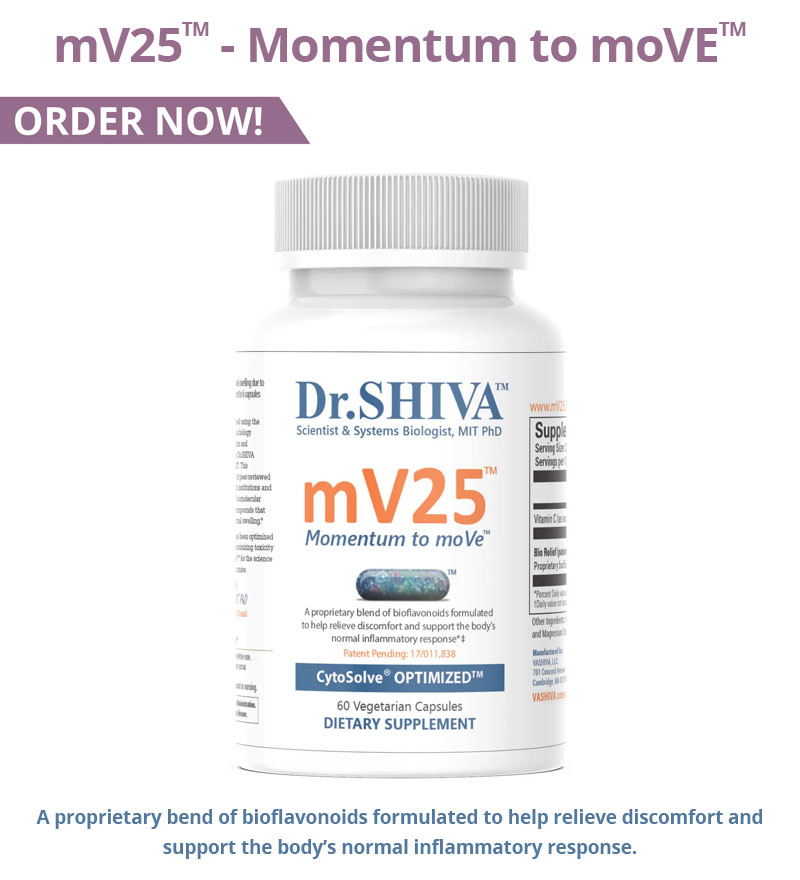
CytoSolve® has already demonstrated its effectiveness through mV25™, a pain-relief formulation created by modeling the entire molecular architecture of osteoarthritis. The approach identified two synergistic natural molecules that modulate multiple inflammatory pathways, a discovery validated experimentally and protected by U.S. patents. The same process is now being applied to skin health, leading to the upcoming DermaSolve™ initiative—focused on identifying natural combinations, including Thyme, that target the root molecular imbalances in skin aging and inflammation.
Open Science for Collective Progress
Unlike the closed, proprietary systems of big pharmaceutical companies, CytoSolve® operates on a philosophy of Open Science. Its data, models, and discoveries are transparently shared with the scientific community and the public. This collaborative model empowers independent researchers, students, and practitioners to participate in innovation—bridging traditional medicine and modern computation under a unified framework.
Thyme in Skin Health — Molecular Pathways Revealed by CytoSolve®
Overview: Integrating Traditional Insight with Molecular Systems Science
Thyme has been used for millennia as a dermal cleanser, antiseptic, and anti-inflammatory herb. Through CytoSolve®’s computational modeling, this traditional wisdom can now be quantitatively examined and verified at the molecular level.
The integration of more than 4,400 peer-reviewed publications and 88 clinical studies enables a comprehensive mapping of Thyme’s biochemical actions on human skin physiology. This modeling framework has revealed that Thyme’s effectiveness arises not from a single pathway but from a synergistic network of mechanisms that collectively restore dermal equilibrium.
The CytoSolve® analysis focuses on how Thyme’s key constituents—thymol, carvacrol, rosmarinic acid, ferulic acid, luteolin, and apigenin—interact across multiple biological networks. These networks include oxidative stress pathways, inflammatory cascades, immune signaling, collagen regulation, and pruritus (itch) modulation. The findings provide the first integrative map linking Thyme’s chemistry to measurable physiological outcomes in skin health.
Oxidative Stress and the MAPK/AP-1 Pathway: The Foundation of Skin Aging
One of the earliest and most prominent molecular mechanisms uncovered by CytoSolve® involves the mitogen-activated protein kinase (MAPK) and activator protein-1 (AP-1) signaling axis. This pathway is directly activated by ultraviolet (UVB) radiation, a major driver of photo-aging.
When keratinocytes and fibroblasts absorb excessive UV light, intracellular levels of reactive oxygen species (ROS) surge, leading to oxidative stress. This triggers MAPK enzymes—ERK1/2, JNK, and p38—which in turn activate the AP-1 transcription factor. AP-1 upregulates matrix metalloproteinases (MMP-1, MMP-3, MMP-9) that degrade collagen and elastin, causing loss of skin firmness and wrinkle formation.
CytoSolve® simulations revealed that thymol, carvacrol, and rosmarinic acid exert strong inhibitory effects on this cascade. Specifically:
- Thymol scavenges intracellular ROS and directly inhibits JNK activation.
- Rosmarinic acid downregulates AP-1 transcriptional activity, reducing MMP expression.
- Ferulic acid, another Thyme phenolic, stabilizes collagen fibrils and absorbs UVB photons, preventing ROS generation at the source.
Through these combined effects, Thyme prevents the breakdown of dermal structure, maintaining collagen integrity and slowing visible signs of skin aging.
Anti-Pruritic Pathway: TRPM8 Activation and Sensory Regulation
A distinctive discovery of the CytoSolve® model is Thyme’s action on TRPM8, a cold-sensitive ion channel involved in regulating sensory nerve activity.
Chronic pruritus (itching) is a hallmark symptom of psoriasis and eczema, often resulting from overstimulated sensory neurons. The model shows that thymol activates TRPM8, increasing calcium ion influx into dorsal root ganglion neurons.
This calcium signaling has an inhibitory feedback effect on hyperactive sensory transmission, reducing the intensity and frequency of itch sensation.
At a systems level, this represents a neurodermal modulation mechanism—Thyme is not merely acting on the skin surface but rebalancing the neural circuits underlying skin sensation. This mechanism also contributes to cooling and soothing effects, which have been recognized empirically in traditional applications of Thyme-infused oils and baths.
Anti-Psoriatic and Immunomodulatory Mechanisms
Psoriasis is a chronic, immune-mediated inflammatory disease involving excessive activation of dendritic cells, neutrophils, and Th17 lymphocytes.
CytoSolve® modeling shows that thymol and carvacrol inhibit the cascade triggered by imiquimod, a known psoriasis-inducing agent in experimental models.
The key points identified include:
- Inhibition of dendritic cell activation, preventing the release of interleukin-12 and interleukin-23, which drive Th17 differentiation.
- Suppression of Th17 and neutrophil proliferation, reducing downstream cytokines like IL-17, IL-22, and TNF-α.
- Stabilization of keratinocyte turnover, preventing hyperproliferation and the characteristic plaque formation of psoriasis.
The model further shows that Thyme’s flavonoids (luteolin and apigenin) work synergistically with thymol to inhibit NF-κB activation, the master regulator of inflammation.
Collectively, these interactions demonstrate a multi-layered immunomodulatory role, aligning with the Systems Health® principle of rebalancing rather than suppression.
Comparative Pharmacodynamics: Thyme vs. Conventional Drugs
CytoSolve®’s integrative data modeling enabled side-by-side comparisons between Thyme’s constituents and established pharmaceutical agents.
- Thymol vs. Metformin (Insulin Resistance Model):
In experimental datasets integrated into the model, thymol significantly reduced the HOMA index, a measure of insulin resistance, showing comparable efficacy to metformin. Since metabolic dysregulation often exacerbates inflammatory skin diseases, this suggests an indirect dermatoprotective effect through improved systemic metabolism. - Thymol vs. Dexamethasone (Anti-Inflammatory Model):
In preclinical observations, thymol decreased scratching behavior in psoriasis-prone models more effectively than dexamethasone, a synthetic corticosteroid.
This underscores its potential as a safer, natural anti-inflammatory and anti-pruritic alternative, without steroid-induced side effects like skin thinning or rebound inflammation.
Network-Wide Insights from In Silico Modeling
When all molecular interactions are integrated into the CytoSolve® architecture, a holistic picture emerges. Thyme influences five interdependent biological modules critical for skin health:
- Oxidative Stress Response – Scavenging ROS, upregulating endogenous antioxidants.
- Inflammatory Modulation – Downregulating NF-κB, MAPK, and cytokine networks.
- Immune Regulation – Normalizing Th17 and dendritic cell activity.
- Structural Integrity – Inhibiting collagen-degrading MMPs, enhancing ECM repair.
- Neurodermal Balance – Calming sensory neuron hyperactivity via TRPM8 modulation.
By simultaneously harmonizing all five modules, Thyme exhibits what systems engineers call multi-scale feedback correction—small molecular interventions that stabilize complex biological oscillations. In practical terms, this means that Thyme doesn’t simply “treat” symptoms but restores the underlying systemic order that supports healthy, resilient skin.
From In Silico to Real-World Applications
The insights from CytoSolve® modeling now guide the formulation of next-generation products under the DermaSolve™ initiative. This platform aims to create evidence-based natural formulations that target multiple root causes of skin dysfunction simultaneously. The approach is entirely free from animal testing and operates within the Open Science framework, ensuring transparency and reproducibility.
By combining advanced computation, published scientific data, and traditional botanical intelligence, CytoSolve® provides a new standard for validating Food as Medicine. Thyme, once known simply as a household herb, thus becomes a scientifically characterized, systems-level therapeutic candidate capable of redefining dermatological care.
Comparative Efficacy and Clinical Insights
Thymol vs. Metformin — Metabolic and Anti-Inflammatory Parallel
Data integrated through the CytoSolve® modeling framework show that thymol, the principal phenolic compound in Thyme, produces a notable reduction in the HOMA index, a measure of insulin resistance. This effect parallels the outcome of metformin, a widely prescribed antidiabetic drug.
Because metabolic imbalance and insulin resistance often heighten inflammatory signaling in the skin, thymol’s metabolic modulation may indirectly improve dermal conditions such as psoriasis and acne by reducing systemic inflammation and oxidative load.
Thymol vs. Dexamethasone — Anti-Pruritic and Anti-Inflammatory Performance
Preclinical data demonstrate that thymol outperforms dexamethasone, a corticosteroid, in reducing scratching behavior and inflammation in psoriasis models. While dexamethasone suppresses immune activity broadly, thymol achieves balance through targeted cytokine modulation—lowering TNF-α, IL-17, and IL-22 while supporting natural repair processes. This confers efficacy without the steroid-associated side effects such as dermal thinning or rebound flare-ups.
Comparative Advantages of a Systems-Based Botanical
Unlike single-target pharmaceuticals, Thyme acts as a multi-pathway regulator—combining antioxidant, anti-inflammatory, antimicrobial, and neurosensory effects in one integrated network. Its low toxicity, broad bioactivity, and ability to preserve microbiome balance position it as a viable, natural adjunct or alternative to conventional dermatologic agents.
Therapeutic Dosages and Clinical Studies
Overview
Clinical and preclinical investigations of Thymus vulgaris and its constituents provide insight into safe and effective dosage ranges for human use. While variability exists depending on extract type and route of administration, studies consistently demonstrate that moderate oral and topical doses yield significant benefits with minimal adverse effects.
Clinical Evidence by Health Domain
A. Analgesic and Anti-Inflammatory Activity
A 2022 study by Hammoudi et al. reported that oral administration of 100 mg/kg thymol significantly reduced markers of inflammation and pain in animal models. The suppression of COX-2 and TNF-α confirms thymol’s systemic anti-inflammatory capacity, aligning with the CytoSolve® predictions regarding skin inflammation pathways.
B. Gynecologic and Smooth-Muscle Modulation
In a 2021 clinical study by Patil and colleagues, 25 drops (approximately 1 mL) of thyme essential oil taken orally per day effectively relieved dysmenorrhea, likely through prostaglandin inhibition and muscle relaxation. This demonstrates its broad anti-inflammatory utility across systems.
C. Metabolic Regulation and Weight Management
Experimental data show that 100 mg/kg of thyme extract can improve glucose metabolism and reduce body weight in animal models, likely via enhanced insulin sensitivity and lipid regulation. Given the established connection between metabolic inflammation and skin conditions, this systemic effect may indirectly benefit chronic dermatologic disorders.
D. Anticancer and Cytoprotective Action
For cellular protection and potential anti-neoplastic properties, studies report 20 mg/kg thymol administered orally as effective in mitigating colon cancer progression. Although not a dermatologic endpoint, it underscores thyme’s antioxidant strength in protecting epithelial tissues against oxidative and inflammatory damage.
E. Topical and Cosmeceutical Applications
Thyme essential oil, typically used in concentrations of 0.05–0.1% thymol, has been shown to possess potent antimicrobial and wound-healing properties when incorporated into creams, gels, or ointments.
Formulations at these concentrations inhibit Staphylococcus aureus and Candida albicans growth, reduce pruritus, and accelerate epithelial repair without irritating, confirming its suitability for long-term topical use.
Safety and Tolerability
Across published studies, Thyme extracts demonstrate an excellent safety profile when used within traditional dosage ranges. Mild, transient effects—such as stomach upset, dizziness, or contact sensitivity—may occur at higher doses or with concentrated essential oils.
No serious adverse reactions have been documented in therapeutic or dietary contexts. Nonetheless, as Thyme influences immune and hormonal pathways, professional supervision is advised for those with allergies, pregnancy, or concurrent medication use.
Systems Perspective on Dosage
In the Systems Health® framework, dosage is not merely quantitative but contextual—depending on constitution, environmental stress, and systemic balance. The same dose that restores balance in one individual may overstimulate another. The guiding principle is the right medicine, for the right person, at the right time.
Thyme’s wide therapeutic window and multi-pathway modulation make it highly adaptable to this principle, enabling its use both as a preventive dietary botanical and as a targeted therapeutic agent in personalized regimens.
Safety, Toxicology, and Contraindications
General Safety Overview
Among medicinal herbs, Thymus vulgaris L. holds one of the most favorable safety profiles. It has been consumed for centuries as both food and medicine, and its essential oils are recognized as Generally Regarded as Safe (GRAS) by the U.S. Food and Drug Administration when used within established limits. CytoSolve®’s systems-based analysis further confirms that the molecular targets influenced by Thyme are self-regulating pathways—those that tend to restore homeostasis rather than destabilize it—contributing to its exceptional safety margin.
Acute and Chronic Toxicity
Experimental toxicology studies demonstrate that thymol, the dominant monoterpene in Thyme, exhibits low acute toxicity.
- The LD₅₀ (lethal dose) for thymol in animal studies exceeds 980 mg/kg body weight, far higher than any therapeutic or dietary exposure.
- Long-term use of aqueous or ethanolic extracts at doses between 50–200 mg/kg produced no pathological changes in liver, kidney, or hematological parameters.
These findings align with real-world use, where Thyme preparations are well tolerated even when consumed daily as tea, seasoning, or supplement.
Potential Adverse Reactions
Although rare, a small number of mild side effects have been reported in sensitive individuals or with excessive intake:
- Gastrointestinal Upset: Nausea, mild cramping, or heartburn from concentrated essential oil ingestion.
- Neurological Sensations: Light dizziness or headache due to volatile oil inhalation in enclosed spaces.
- Allergic Reactions: Dermal hypersensitivity to thymol or carvacrol in topical formulations, particularly in individuals with existing fragrance allergies.
- Mucosal Irritation: Direct application of undiluted essential oil may cause localized burning or erythema.
These events are transient and typically self-limiting once exposure is reduced.
Contraindications and Cautions
While Thyme is broadly safe, certain populations should exercise caution:
- Pregnancy and Lactation:
High doses of thymol may theoretically stimulate uterine smooth muscle; hence, essential oil use above culinary levels is not recommended during pregnancy. - Children Under 5 Years:
Concentrated essential oils should be avoided due to the risk of respiratory irritation. However, low-dose infusions or dietary thyme are considered safe. - Individuals with Thyroid Disorders:
Limited data suggest that thymol may mildly influence thyroid peroxidase activity. Patients under thyroid medication should monitor for dosage adjustments. - Concurrent Anticoagulant or Hypoglycemic Therapy:
Since thyme can improve circulation and glucose regulation, concurrent use with warfarin or metformin warrants medical supervision to prevent additive effects. - Allergy to Lamiaceae Family Plants:
Those allergic to mint, basil, or oregano may exhibit cross-sensitivity.
Toxicological Resilience from a Systems Perspective
From a systems biology viewpoint, Thyme’s safety stems from its homeostatic mode of action. Its phytochemicals engage biological pathways that the body naturally uses to self-correct—antioxidant defense, controlled inflammation, and microbial balance—rather than forcing artificial suppression or stimulation.
In CytoSolve®’s computational models, these pathways exhibit negative feedback loops that stabilize the system even under prolonged exposure. This distinguishes Thyme from synthetic drugs that often cause off-target toxicity due to one-dimensional targeting.
Thus, when applied within reasonable dosage limits, Thyme behaves as a biological stabilizer, not a disruptor—a hallmark of adaptogenic, systems-level botanicals.
Summary
| Safety Domain | Evidence | Risk Level |
| Acute Toxicity | LD₅₀ > 980 mg/kg (oral, rodent models) | Very Low |
| Chronic Toxicity | No organ damage at 50–200 mg/kg | Very Low |
| Topical Use | Safe at <0.1% thymol concentration | Very Low |
| Systemic Adverse Effects | Rare; mild GI or allergic symptoms | Minimal |
| Contraindicated Populations | Pregnancy (high dose), infants, allergic individuals | Moderate |
Overall, Thyme is among the safest medicinal herbs for both oral and topical use when applied within traditional and evidence-based ranges.
Its low toxicity, reversible side effects, and systems-stabilizing profile reinforce its suitability for long-term integrative skin health programs under the Systems Health® approach.
Personalized Health Applications — Integration with Your Body, Your System®
Individualized Approach
The Systems Health® model recognizes that every person’s biology operates as a unique system composed of three dynamic forces—Transport, Conversion, and Storage—which correspond to the Ayurvedic principles of Vata, Pitta, and Kapha.
Health arises when these forces remain in balance; disease manifests when one dominates or is depleted. Herbs like Thyme affect these forces differently depending on an individual’s baseline constitution and environment.
Thyme’s Energetic and Functional Profile
In traditional systems, Thyme is considered warming, aromatic, and stimulating. From a systems-science perspective, this means it enhances Conversion and Transport while slightly reducing Storage.
- Reduces Vata: By calming erratic, dry, or cold conditions—beneficial for dry, scaly, or flaking skin.
- Reduces Kapha: By clearing congestion, excess oil, and sluggish metabolism—supporting detoxification and skin clarity.
- May Elevate Pitta: Its warming nature requires moderation in individuals prone to inflammation or sensitivity.
Thus, Thyme is particularly suitable for Vata-Kapha imbalances—characterized by dull, dry, or congested skin—but should be balanced with cooling botanicals in Pitta-dominant constitutions.
Your Body, Your System® Tool
The Your Body, Your System® online tool developed by Dr. Shiva Ayyadurai provides a quantitative method to assess one’s system state. Users complete a series of questions to determine the location of their “black dot” (current state) relative to the “red dot” (ideal balance).
By observing how specific foods or herbs shift this balance, individuals can empirically determine whether Thyme brings them closer to or farther from equilibrium—transforming traditional intuition into measurable self-knowledge.
Practical Personalization
Thyme may be integrated in multiple ways:
- Culinary Use: Fresh or dried leaves as seasoning to improve digestion and circulation.
- Infusion or Tea: Mild internal support for detoxification and immune balance.
- Topical Application: Diluted essential oil (≤0.1%) for cleansing or soothing skin irritation.
The principle remains the same: use Thyme in alignment with your system state, monitor feedback, and adjust dosage or frequency accordingly.
Societal and Policy Context — Food as Medicine vs. Pharmaceutical Paradigm
The Fragmentation of Modern Healthcare
The current healthcare model treats the body as a set of disconnected parts—each organ or symptom addressed by a separate specialist or drug. This reductionist approach fuels a trillion-dollar pharmaceutical industry but leaves chronic disease rates climbing and lifespan declining. Skin disorders, allergies, autoimmune conditions, and premature aging have become normalized outcomes of systemic imbalance rather than exceptions.
Rediscovering Food as Medicine
In contrast, the Food as Medicine approach views nutrition and botanicals as regulators of biological systems, not passive nutrients. Every plant molecule carries information that interacts with our cellular networks. Herbs like Thyme embody this principle—modulating oxidative, inflammatory, and microbial pathways without toxicity. Yet such integrative perspectives are often marginalized, as public policy favors patented drugs over natural compounds that cannot be easily monetized.
The Truth Freedom Health® Solution
The Truth Freedom Health® movement, built upon the same systems-science foundation as CytoSolve®, seeks to restore transparency and independence in health innovation. It integrates three inseparable elements:
- Truth: Open scientific inquiry grounded in systems thinking.
- Freedom: The right to access and share uncensored knowledge.
- Health: The natural outcome of aligning human systems with nature’s intelligence.
By promoting decentralized education and open science, Truth Freedom Health® reclaims medicine as a public good rather than a corporate monopoly. It empowers individuals to become their own scientists—understanding how everyday foods and herbs, such as Thyme, act as complex, self-regulating systems for healing.
A Path Toward Policy Transformation
True reform requires governments and institutions to recognize that wellness cannot be patented. Supporting evidence-based botanical research, community education, and transparent labeling (like the Certified C.L.E.A.N.® standard) are essential steps. Only when public health policy aligns with systems-based, food-derived solutions can societies reverse the accelerating decline in human health and autonomy.
Future Directions — The DermaSolve™ Initiative
Translating Modeling into Application
The insights from CytoSolve®’s molecular modeling of Thyme and other skin-protective botanicals are now advancing into translational research through the DermaSolve™ Initiative.
DermaSolve™ represents the next stage of CytoSolve®’s mission: developing evidence-based, multi-ingredient natural formulations that address root causes of skin dysfunction — oxidative stress, inflammation, immune imbalance, and collagen degradation — simultaneously.
Systems-Based Product Development
Unlike conventional dermatology products that target one symptom, DermaSolve™ uses CytoSolve®’s in silico architecture to design formulations grounded in mechanistic data.
Every compound is selected based on validated interactions within skin health pathways. Before any ingredient reaches human testing, thousands of computational simulations evaluate synergy, safety, and efficacy. This allows precise formulation without animal testing, dramatically reducing time and cost.
Open Science Collaboration
The initiative operates under the Open Science Institute™ model, inviting researchers, practitioners, and donors to participate in transparent innovation.
Supporters can contribute directly to specific disease areas—such as eczema, psoriasis, or aging skin—and access ongoing updates from modeling and clinical translation phases. This democratized approach replaces the secrecy of big pharmaceutical R&D with collective discovery and public accountability.
Integration with Truth Freedom Health®
DermaSolve™ is more than a product line—it is part of the broader Truth Freedom Health® ecosystem. It embodies the movement’s commitment to merging scientific truth, technological freedom, and individual health empowerment. By applying systems science to real-world health challenges, it transforms citizens into co-creators of innovation rather than passive consumers.
The Path Forward
Current CytoSolve® models are in Phase III (In Silico Modeling), with the next steps including:
- Publication of system architecture for skin health.
- Development of multi-herb combinations featuring Thyme, Aloe Vera, and Green Tea.
- Filing of patents for novel synergistic formulations.
- Launch of DermaSolve™ pilot products validated through computational and community-based trials.
This marks a paradigm shift from isolated drug design to systems-guided, nature-aligned medicine, setting a foundation for safer, more intelligent dermatologic therapies for global health.
Conclusion
Thyme (Thymus vulgaris L.) stands as a timeless example of nature’s intelligence — a botanical system that harmonizes oxidative, inflammatory, and microbial networks while strengthening the body’s capacity for self-repair. Through CytoSolve®’s systems biology modeling, ancient herbal wisdom is now translated into modern molecular understanding, revealing that Thyme’s diverse compounds act in synergy to protect, restore, and rejuvenate the skin.
The results affirm a broader truth: genuine health solutions emerge not from isolated chemicals but from integrated systems — both in the body and in science itself. This perspective, embodied by Truth Freedom Health®, bridges traditional medicine, open scientific inquiry, and personal empowerment.
Through initiatives like DermaSolve™, these insights are becoming tangible — transforming complex data into accessible, natural formulations that support real human wellness without dependency on corporate-controlled medicine.
The path forward is clear:
- Think in systems. See health as an interconnected process, not a set of isolated problems.
- Act through knowledge. Engage with science that honors transparency and collaboration.
- Heal through nature. Choose foods and botanicals like Thyme that restore balance from within.
To explore these principles further, join the Truth Freedom Health® Open House held every Thursday at 11 AM and 8 PM EST, and become a Warrior-Scholar dedicated to your own empowerment.
True longevity and beauty arise not from external fixes but from internal alignment — a living system in balance with itself and with nature.