In this presentation, Dr. SHIVA Ayyadurai, MIT PhD, Inventor of Email and Independent Candidate for President of the United States, explores the powerful benefits of the herb Ginseng for Aging. Using a Systems Health® approach and the CytoSolve® technology platform, he provides a scientific and holistic analysis of how Ginseng supports Aging.
Disclaimer
This content is for informational and educational purposes only. It is not intended to provide medical advice or to take the place of such advice or treatment from a personal physician. All readers/viewers of this content are advised to consult their doctors or qualified health professionals regarding specific health questions. Neither Dr. Shiva Ayyadurai nor the publisher of this content takes responsibility for possible health consequences of any person or persons reading or following the information in this educational content. All viewers of this content, especially those taking prescription or over-the-counter medications, should consult their physicians before beginning any nutrition, supplement, or lifestyle program.
Key Takeaways
- Aging is not driven by a single molecular defect or biological clock, but by the progressive breakdown of interconnected systems involving oxidative stress, metabolism, immune regulation, genomic stability, and environmental stressors. Any intervention that ignores this interconnectedness is structurally limited, regardless of how compelling short-term results may appear.
- Ginseng demonstrates value not because it targets one pathway aggressively, but because its diverse molecular composition allows it to modulate multiple aging-related processes simultaneously. Its effects on redox balance, mitochondrial efficiency, metabolic signaling, inflammation, and tissue integrity illustrate how network-level support can promote resilience over time.
- Systems biology provides the missing framework needed to evaluate both traditional medicines and modern interventions responsibly. By modeling interactions across pathways rather than isolating single targets, systems approaches explain why many reductionist strategies fail and how synergistic combinations can emerge as more effective and durable solutions.
- Personalization is essential for healthy aging. Biological context determines whether an intervention restores balance or creates a new imbalance. Tools that help individuals understand their own physiological state are critical for translating scientific insight into safe, effective, and individualized action.
- Healthy aging cannot be separated from social, environmental, and educational systems. Declining lifespan and rising chronic disease reflect structural failures beyond biology alone. Meaningful progress requires empowering individuals with knowledge, access to clean food, ethical science, and systems-level education that restores agency over health and life trajectory.
Introduction
Ginseng has occupied a unique position in human history as both a medicinal root and a symbol of longevity. Across thousands of years of traditional use in East Asia, it has been regarded not merely as a tonic but as a substance capable of restoring balance to the body and extending vitality across the lifespan. In modern times, as societies grapple with declining life expectancy, rising chronic disease, and escalating healthcare costs, renewed attention has turned toward ancient remedies and whether they can be understood, validated, and responsibly applied using modern scientific frameworks. This article presents a comprehensive exploration of ginseng and aging through the lens of systems biology, integrating traditional knowledge, molecular science, and a broader socio-political context that frames health as a systems-level challenge rather than an isolated biological phenomenon.
This discussion approaches aging not as a single disease but as an emergent property of interacting biological, environmental, and social systems. Rather than isolating one pathway, one molecule, or one symptom, this perspective emphasizes the interconnectedness of oxidative stress, immune dysregulation, metabolic imbalance, genomic instability, and lifestyle stressors. Ginseng is examined not as a miracle cure, but as one component within a broader framework designed to empower individuals to understand and participate in their own health journeys.
Ginseng as a Historical and Cultural Medicine
Ginseng, derived primarily from the root of Panax ginseng, has been used for over two millennia in Chinese, Korean, and Japanese medical traditions. The name Panax itself originates from the concept of a panacea, reflecting the belief that this root possessed broad-spectrum healing properties. Historically, ginseng was reserved for emperors, scholars, and warriors, valued for its reputed ability to restore strength, calm the mind, and prolong life. In traditional Chinese medicine, ginseng was understood not in isolation but in relation to the body’s vital energy, or qi, and its role in harmonizing the functions of internal organs.
Traditional systems did not separate physical health from mental clarity or spiritual balance. Ginseng was often prescribed to individuals experiencing fatigue, weakness, cognitive decline, or recovery from illness. In Korean traditions, it was believed to strengthen the five digestive organs and expel negative energies, reinforcing the idea that health emerges from balance rather than suppression of symptoms. These early frameworks, while lacking molecular language, were inherently systems-oriented, recognizing that interventions must support the whole organism.
Modern science has often dismissed such traditions as anecdotal or unscientific. However, the resurgence of interest in integrative and systems-based approaches has reopened the door to re-examining these remedies using rigorous analytical tools. Ginseng now stands at the intersection of ancient wisdom and modern computational biology, offering a unique opportunity to bridge these worlds.
Aging as a Systems-Level Phenomenon
Aging is commonly described as the gradual decline of physiological function over time, leading to increased vulnerability to disease and death. From a systems biology perspective, aging is not driven by a single cause but by the cumulative interaction of multiple processes that reinforce one another. Molecular damage accumulates, repair mechanisms weaken, and regulatory systems lose their resilience. This manifests clinically as conditions such as cardiovascular disease, neurodegeneration, metabolic disorders, musculoskeletal degeneration, and immune dysfunction.
At the cellular level, aging is characterized by genomic instability, telomere shortening, epigenetic drift, mitochondrial dysfunction, and impaired proteostasis. These processes are tightly interconnected. For example, mitochondrial dysfunction increases the production of reactive oxygen species, which damage DNA, proteins, and lipids. DNA damage activates stress response pathways that can further disrupt cellular metabolism and promote inflammation. Over time, these feedback loops create a self-reinforcing cycle that accelerates biological aging.
From a population standpoint, aging has become one of the most significant global challenges. Nearly one billion people worldwide are affected by age-related conditions, placing enormous strain on healthcare systems and families. Despite advances in medicine, lifespan in many regions is stagnating or declining, while the cost of living and access to clean food continue to worsen. These trends suggest that conventional approaches, which focus on treating isolated diseases, are insufficient to address the root causes of aging.
The Systems Science Framework
The systems science framework emphasizes understanding how components interact within a whole. Rather than asking how one drug affects one target, it asks how networks of molecules, cells, organs, and behaviors interact over time. This approach recognizes that small perturbations can have large downstream effects, and that interventions must be evaluated in the context of the entire system.
In the context of health, systems science integrates biology, environment, behavior, economics, and governance. Poor nutrition, chronic stress, environmental toxins, and social inequality all influence biological aging. Educational systems that fail to teach critical thinking and systems awareness further compound the problem by leaving individuals dependent on top-down solutions. A systems approach seeks to reverse this dynamic by equipping individuals with tools to understand and intervene in their own health.
This philosophy underpins platforms such as Systems Health® education, clean food certification, and computational modeling tools designed to analyze complex biological interactions. Together, these tools form an ecosystem aimed at empowering individuals rather than managing populations through centralized control.
Ginseng Within a Systems Biology Context
When evaluated through a systems biology lens, ginseng is not reduced to a single active ingredient or claimed effect. Instead, it is understood as a complex botanical containing dozens of bioactive molecules that interact with multiple pathways simultaneously. This multi-target nature aligns well with the systems approach, which acknowledges that aging itself arises from network-level dysfunction.
Journey to systems
So that’s the VASHIVA Truth Freedom Health movement. And I’ll come back to that. But the foundation of that is really a Systems Approach. So when we look at something like Astragalus, we want to take a Systems Approach to looking at it. The scientific approach of reductionism–where you just look at one little piece of something–is a way that, in many ways, you can fool yourself or those in power can take advantage of you in anything–be it science, be it understanding politics, be it having an argument. When you take an interconnected Systems approach, you get a much better view closer to the truth. So as people are coming in, let me just, I have a new video that I put together that really encourages people to, you know, sort of share my personal Journey to Systems, and you can look at it how your own life has gone. So let me just share this with everyone.
Modern research has identified over thirty key molecules in ginseng, including minerals, vitamins, and a class of compounds known as ginsenosides. These molecules influence oxidative stress, inflammation, metabolic regulation, immune function, and cellular repair mechanisms. Rather than acting as a blunt intervention, ginseng appears to modulate pathways in a context-dependent manner, supporting balance rather than forcing a singular outcome.
This complexity also explains why ginseng cannot be universally prescribed without consideration of individual differences. The same compounds that benefit one person may overstimulate or imbalance another, depending on their physiological state. This reinforces the principle that the right intervention depends on the right person at the right time.
Molecular Composition of Ginseng
Ginseng contains a diverse array of biologically active components. Among its mineral content are zinc, copper, magnesium, calcium, iron, manganese, vanadium, potassium, sodium, and phosphorus. These minerals support enzymatic activity, redox balance, and cellular signaling. The vitamin profile of ginseng includes several B vitamins, which play critical roles in energy metabolism and nervous system function.
The most extensively studied compounds in ginseng are the ginsenosides, a family of saponins with wide-ranging biological effects. These include ginsenosides Rb1, Rb2, Rc, Rd, Re, Rf, Rg1, Rg2, Rg3, Rh1, Rh2, and Ro, among others. Different ginsenosides exert distinct effects on cellular pathways, and their relative abundance can vary depending on how the ginseng is processed, such as through fermentation or heat treatment.
This chemical diversity allows ginseng to interact with multiple biological systems simultaneously. Rather than overwhelming the body with a single pharmacological force, it appears to gently influence regulatory networks, which may explain its long history of use as a tonic rather than an acute drug.
Oxidative Stress and Aging
One of the central drivers of aging is oxidative stress, defined as an imbalance between the production of reactive oxygen species and the body’s ability to neutralize them. Reactive oxygen species are generated as byproducts of normal metabolism, particularly within mitochondria. Under healthy conditions, antioxidant systems keep these molecules in check. With age, however, antioxidant defenses decline while oxidative burden increases.
Excess reactive oxygen species damage cellular membranes, proteins, and DNA. This damage impairs organelle function and disrupts cellular signaling. Over time, the accumulation of oxidative damage contributes to chronic inflammation, metabolic dysfunction, and tissue degeneration. Diseases such as atherosclerosis, diabetes, neurodegeneration, and cancer are all linked to oxidative stress.
Ginseng has demonstrated significant antioxidant properties in both experimental and clinical studies. By modulating oxidative pathways, it helps reduce the burden of reactive oxygen species and supports cellular resilience. Importantly, this effect is not limited to direct radical scavenging. Ginseng also influences signaling pathways that regulate antioxidant enzyme expression, thereby strengthening the body’s intrinsic defense systems.
Skin Aging and Structural Integrity
Skin aging provides a visible and measurable example of how molecular damage translates into functional decline. Ultraviolet radiation, particularly UVB, increases the production of reactive oxygen species in skin cells. These reactive molecules activate transcription factors such as AP-1, which in turn increase the expression of matrix metalloproteinases. These enzymes degrade collagen and elastin, leading to wrinkles, loss of elasticity, and structural weakening of the skin.
Research on fermented black ginseng has shown that it can attenuate these processes. By reducing reactive oxygen species and suppressing matrix metalloproteinase activity, ginseng helps preserve the extracellular matrix that maintains skin structure. This not only improves the appearance of the skin but also reflects stronger protective effects at the cellular level.
DNA Repair and Genomic Stability
Another hallmark of aging is the accumulation of DNA damage. Cells are constantly exposed to insults from oxidative stress, environmental toxins, and replication errors. Efficient DNA repair mechanisms are essential for maintaining genomic integrity. With age, these repair systems become less effective, allowing mutations and structural damage to accumulate.
Ginsenosides have been shown to support DNA repair by enhancing the activity of proteins involved in maintaining genomic stability. One such protein is SIRT6, which plays a role in DNA repair, metabolic regulation, and inflammation control. Activation of SIRT6 enhances the function of poly(ADP-ribose) polymerase, an enzyme critical for detecting and repairing DNA strand breaks.
Additionally, ginseng increases the expression of DNA glycosylases involved in base excision repair. This pathway is responsible for identifying and removing damaged DNA bases, preventing the propagation of mutations. By supporting these mechanisms, ginseng helps slow the accumulation of genomic damage that drives aging at the cellular level.
Metabolic Signaling and Longevity
Metabolic signaling pathways play a crucial role in determining lifespan. Pathways such as PI3K, AKT, and mTOR integrate signals related to nutrient availability, growth factors, and stress. While these pathways are essential for growth and survival, chronic activation can accelerate aging by promoting oxidative stress and inhibiting cellular repair processes.
Stress stimuli activate the PI3K-AKT-mTOR pathway, increasing mitochondrial activity and reactive oxygen species production. Over time, this contributes to cellular damage and functional decline. Ginseng has been shown to modulate this pathway, reducing excessive activation and lowering mitochondrial oxidative stress. By restoring balance to metabolic signaling, ginseng supports cellular maintenance and longevity.
Anti-Inflammatory and Immune Effects
Chronic low-grade inflammation, often referred to as inflammaging, is another key contributor to aging. As immune regulation deteriorates with age, inflammatory signals persist even in the absence of infection. This ongoing inflammation damages tissues and exacerbates age-related diseases.
Ginseng exhibits anti-inflammatory properties by modulating cytokine production and immune cell activity. It supports immune balance rather than simply suppressing immune function. This distinction is critical, as excessive immune suppression can increase susceptibility to infection, while uncontrolled inflammation accelerates tissue damage.
Broader Health Implications
Beyond aging itself, ginseng has demonstrated benefits across a range of health conditions commonly associated with aging. These include metabolic disorders such as diabetes and obesity, cardiovascular disease, neurodegenerative conditions, liver dysfunction, and susceptibility to infection. In some studies, ginseng extracts have shown effects comparable to or synergistic with conventional pharmaceuticals, highlighting their potential as complementary interventions.
However, these findings also underscore the importance of context. Ginseng’s effects depend on dosage, preparation, individual physiology, and interactions with other compounds. A systems-based framework is essential for translating these findings into safe and effective applications.
Personalization and the Right Intervention
A central theme of the systems approach is personalization. No intervention, whether pharmaceutical or botanical, is universally beneficial. Individual differences in metabolism, immune function, stress response, and constitution determine how a given compound will affect the system.
Tools that integrate engineering principles with traditional medical frameworks aim to help individuals assess whether an intervention like ginseng is appropriate for them. By evaluating patterns of transport, conversion, and storage within the body, such tools provide a structured way to personalize dietary and lifestyle choices.
Ginseng’s enduring reputation as a longevity-promoting herb finds increasing support in modern systems biology. Its complex molecular composition allows it to interact with multiple aging-related pathways, supporting oxidative balance, genomic stability, metabolic regulation, immune function, and tissue integrity. Yet its true value lies not in isolated effects but in its role within a broader systems framework that emphasizes education, empowerment, and personalization.
Aging is not a problem that can be solved by a single molecule or ideology. It is a systems challenge that requires integrated solutions spanning biology, behavior, environment, and governance. Ginseng, when understood and applied within this context, offers not a cure but a tool—one that, when combined with knowledge and agency, can support healthier aging and greater resilience across the lifespan.
The CytoSolve® Approach to Aging Research
A central pillar of the systems-based analysis presented here is the CytoSolve® platform, an engineering systems biology framework developed to understand complex biological phenomena through integration rather than reduction. Conventional biomedical research often isolates a single molecule or pathway and attempts to manipulate it pharmacologically. While this approach has yielded important discoveries, it frequently fails when applied to multifactorial processes such as aging, where no single pathway operates in isolation.
CytoSolve® was designed to address this limitation by enabling researchers to map entire molecular systems architectures. The process begins with an exhaustive review of peer-reviewed literature to identify known molecular interactions relevant to a specific biological process. These interactions are curated into a structured architecture that reflects how pathways intersect, reinforce, or counteract one another. Once constructed, this architecture serves as the blueprint for computational modeling.
Mathematical representations are then assigned to these biological interactions using principles derived from physical chemistry. Rate equations describe how molecules interact over time, allowing simulations to capture the dynamic behavior of the system. This step transforms static biological knowledge into a living model that can be interrogated, stressed, and explored under different conditions.
Combination screening represents a critical innovation of this approach. Rather than testing single compounds in isolation, CytoSolve® evaluates how combinations of compounds influence the system as a whole. This is particularly important for natural products such as botanicals, where therapeutic effects often emerge from synergy rather than dominance of one active ingredient. Through iterative simulations, promising combinations can be identified long before costly and ethically problematic animal testing is considered.
From Systems Architecture to Real-World Solutions
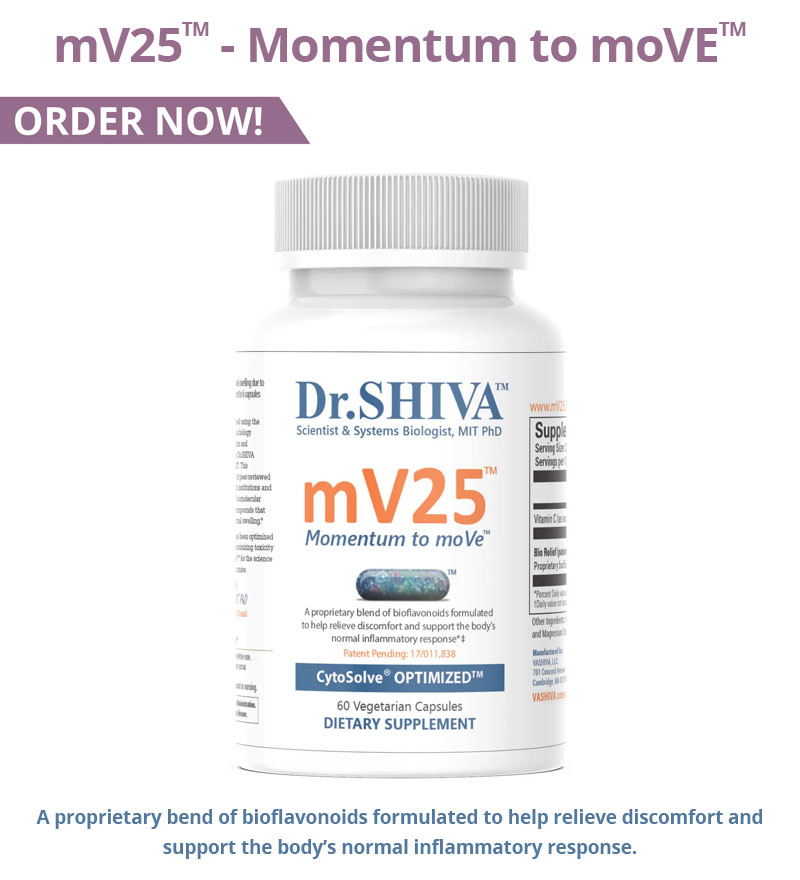
The CytoSolve® methodology is not confined to theoretical exploration. It has been applied end to end, from systems architecture development to publication, modeling, discovery, and product realization. One illustrative example is the work conducted on osteoarthritis, a degenerative joint disease affecting hundreds of millions of people worldwide. By mapping the complete molecular architecture of osteoarthritis, researchers were able to identify key inflammatory, oxidative, and degenerative pathways contributing to pain and tissue breakdown.
Through in silico combination screening, natural compounds were evaluated for their ability to modulate these pathways simultaneously. This process led to the identification of specific ingredient combinations and dosages capable of reducing pain by addressing the underlying molecular drivers of disease rather than masking symptoms. The resulting discoveries were not only published but also patented, demonstrating that systems-based innovation can yield tangible, defensible outcomes.
This same framework is now being applied to aging. Unlike a discrete disease, aging encompasses a constellation of interacting processes that evolve over decades. By building a molecular systems architecture of aging, researchers aim to identify leverage points where interventions can meaningfully slow or rebalance the aging trajectory.
Mapping the Systems Architecture of Aging
At the heart of the aging architecture lies a bidirectional relationship between oxidative stress and functional decline. As oxidative stress increases, cellular components suffer damage, leading to impaired function. This impairment, in turn, exacerbates oxidative stress by disrupting mitochondrial efficiency and antioxidant defenses. The result is a vicious cycle that accelerates aging.
Beyond oxidative stress, the architecture incorporates genetic susceptibility, immune dysregulation, metabolic imbalance, environmental exposures, psychological stress, and lifestyle factors such as smoking and alcohol consumption. Each of these elements influences the others, creating a dense web of interactions. For example, psychological stress alters hormonal signaling, which affects immune responses and metabolic regulation, ultimately influencing oxidative load and tissue repair.
By mapping these relationships explicitly, the systems architecture reveals why simplistic interventions so often fail. Targeting one pathway without addressing its upstream drivers or downstream consequences can lead to unintended effects elsewhere in the system. A systems-level map provides the context needed to design interventions that support balance rather than impose force.
The Role of Natural Compounds in Combination Screening
Once the aging architecture is established, the next phase involves identifying candidate compounds capable of modulating key nodes within the system. A wide range of natural substances have been selected for evaluation based on historical use, preliminary scientific evidence, and mechanistic plausibility. These include botanicals such as aloe vera, amla, ashwagandha, basil, berberis, centella, cinnamon, ginseng, licorice, neem, pomegranate, rosemary, sage, turmeric, and others.
The challenge is not a lack of candidate compounds but an overabundance of uncontextualized claims. Many substances are promoted as anti-aging remedies based on isolated findings or anecdotal evidence. Without a systems framework, it is impossible to determine how these compounds interact with one another or with the aging architecture itself.
Combination screening addresses this challenge by evaluating how compounds work together within the modeled system. Synergistic effects can emerge when compounds target complementary pathways or reinforce one another’s actions. Conversely, antagonistic interactions can be identified and avoided. This approach transforms the exploration of natural medicine from guesswork into a structured discovery process.
Ginseng as a Focal Compound in Aging Research
Among the many compounds evaluated, ginseng stands out due to the depth and breadth of existing research. Thousands of scientific publications and hundreds of clinical studies have examined its effects across diverse biological domains. This extensive knowledge base makes ginseng an ideal candidate for systems-level integration.
Ginseng’s relevance to aging extends beyond any single effect. Its influence on oxidative stress, metabolic signaling, immune modulation, and genomic stability positions it as a multi-node modulator within the aging architecture. Rather than overriding natural processes, it appears to support regulatory mechanisms that decline with age.
Comparative Evidence Against Conventional Pharmaceuticals
One of the more striking observations emerging from the literature is ginseng’s performance relative to established pharmaceuticals in certain contexts. In metabolic regulation, ginseng extracts have demonstrated glucose-lowering effects comparable to those of commonly prescribed antidiabetic medications. In some cases, combining ginseng with pharmaceutical agents has produced additive or synergistic benefits, suggesting complementary rather than competitive mechanisms.
Similarly, in models of liver injury, ginseng extracts have shown protective effects equal to or exceeding those of standard treatments. These findings do not suggest that ginseng should replace pharmaceuticals wholesale, but they do challenge the assumption that effective interventions must be synthetic or proprietary. From a systems perspective, integrating natural compounds into broader therapeutic strategies may enhance outcomes while reducing side effects.
Dosage, Safety, and Contextual Use
Despite its long history of use, ginseng is not universally benign. Its effects depend on dosage, preparation, duration of use, and individual physiology. Research suggests that relatively modest doses may support general health, while higher doses may be appropriate for specific conditions under professional guidance. Excessive intake, particularly in sensitive individuals, can lead to side effects such as insomnia, digestive discomfort, or heat sensations.
These considerations underscore the importance of personalization. A systems-based framework does not promote indiscriminate supplementation but emphasizes informed decision-making grounded in an understanding of one’s own physiological state. This approach aligns with the broader principle that no intervention is inherently good or bad outside of context.
Personalized Systems Health® and Individual Agency
Central to the philosophy underlying this work is the idea that individuals must reclaim agency over their health. Modern healthcare systems often position patients as passive recipients of interventions determined by distant authorities. In contrast, a Systems Health® approach seeks to educate individuals so they can participate actively in understanding and managing their own biology.
Tools that integrate quantitative systems modeling with traditional frameworks of constitutional assessment aim to bridge the gap between data and lived experience. By visualizing how dietary choices, lifestyle factors, and supplements influence internal balance, individuals can make more informed decisions tailored to their needs.
This emphasis on education and empowerment extends beyond individual health. It reflects a broader critique of social and political systems that prioritize profit and control over human well-being. Declining lifespan and rising chronic disease are not merely biological phenomena but indicators of systemic failure.
Aging, Society, and Structural Stressors
The biological processes of aging do not occur in isolation from social conditions. Economic insecurity, environmental degradation, food system contamination, and chronic psychological stress all accelerate aging at the population level. When clean, nutritious food becomes inaccessible, and education fails to teach systems thinking, individuals are left vulnerable to forces beyond their control.
From this perspective, addressing aging requires more than supplements or therapies. It demands structural changes that support healthy living, critical education, and community resilience. While individual interventions such as ginseng can play a role, they are most effective when embedded within supportive systems.
The Ethics of Open Science and Knowledge Sharing
A distinguishing feature of the systems approach described here is its commitment to open science. Rather than enclosing discoveries behind proprietary walls, the goal is to share knowledge transparently and invite participation. This model challenges the prevailing structures of pharmaceutical development, which often rely on secrecy and exclusivity.
By publishing systems architectures, sharing modeling methodologies, and engaging communities in learning, this approach seeks to democratize innovation. It also rejects reliance on animal testing, emphasizing computational modeling and ethical research practices.
Toward an Integrated Vision of Healthy Aging
The exploration of ginseng within a systems biology framework illustrates what is possible when ancient knowledge and modern science are brought into dialogue. Ginseng is neither a mythic cure nor a marginal supplement. It is a complex botanical whose effects make sense only when viewed within the networks that define aging.
Healthy aging emerges not from suppressing symptoms but from supporting balance across interconnected systems. Oxidative stress, inflammation, metabolic signaling, immune function, and genomic integrity must all be addressed together. Systems biology provides the tools to understand these relationships, while education and empowerment ensure that knowledge leads to meaningful action.
Mechanistic Pathways Through Which Ginseng Influences Aging
To understand how ginseng meaningfully contributes to healthy aging, it is necessary to examine the specific molecular and cellular pathways it influences within the broader systems architecture. Aging does not arise from a single molecular failure but from progressive dysregulation across signaling networks that maintain cellular homeostasis. Ginseng’s value lies in its capacity to engage several of these networks simultaneously, reinforcing resilience rather than forcing acute intervention.
One of the most consistent findings across ginseng research is its effect on redox balance. As organisms age, the equilibrium between reactive oxygen species production and antioxidant defenses deteriorates. Ginseng supports this balance both directly and indirectly. Certain ginsenosides act as mild antioxidants, while others upregulate endogenous antioxidant enzymes, including superoxide dismutase, catalase, and glutathione peroxidase. This dual action reduces oxidative burden while strengthening intrinsic defense capacity, an important distinction for long-term aging support.
At the mitochondrial level, ginseng influences energy metabolism and stress signaling. Mitochondria are both the primary source of cellular energy and a major generator of reactive oxygen species. With age, mitochondrial efficiency declines, leading to increased oxidative stress and impaired ATP production. Ginseng modulates mitochondrial signaling pathways in a way that improves efficiency and limits excessive reactive oxygen species generation, thereby slowing one of the central accelerators of aging.
Ginseng and Cellular Stress Signaling
Cells constantly adapt to environmental and internal stressors through signaling pathways that determine survival, repair, or programmed cell death. Key among these are pathways involving PI3K, AKT, mTOR, AMPK, and FOXO transcription factors. In youth, these pathways respond dynamically to nutrient availability and stress. With age, they often become chronically activated or suppressed in maladaptive ways.
Ginseng has been shown to influence these stress-response pathways toward balance. By dampening excessive PI3K–AKT–mTOR signaling under conditions of chronic stress, ginseng reduces metabolic overdrive that leads to oxidative damage and impaired autophagy. At the same time, it supports pathways involved in cellular maintenance and repair, allowing damaged proteins and organelles to be recycled more efficiently.
This rebalancing is particularly relevant to aging, as impaired autophagy and persistent growth signaling are hallmarks of age-related decline. Rather than acting as a blunt inhibitor, ginseng appears to fine-tune signaling thresholds, supporting adaptability rather than rigidity within the system.
Neuroprotection and Cognitive Aging
Cognitive decline and neurodegeneration represent some of the most feared consequences of aging. These conditions arise from a convergence of oxidative stress, inflammation, mitochondrial dysfunction, impaired protein clearance, and synaptic deterioration. Ginseng’s neuroprotective properties have been investigated across multiple experimental models, revealing effects that span several of these mechanisms.
Ginsenosides influence neuronal survival pathways, enhance synaptic plasticity, and reduce neuroinflammatory signaling. By modulating microglial activation, ginseng helps limit chronic inflammation in the central nervous system, a key driver of cognitive decline. It also supports neurotransmitter balance and cerebral blood flow, factors essential for maintaining cognitive performance with age.
Importantly, these effects are not limited to symptom management. By supporting mitochondrial function and reducing oxidative stress in neurons, ginseng addresses upstream drivers of neurodegeneration. This positions it as a candidate for long-term cognitive resilience rather than short-term stimulation.
Metabolic Aging, Diabetes, and Obesity
Metabolic dysfunction is both a cause and consequence of aging. Insulin resistance, altered lipid metabolism, and chronic low-grade inflammation contribute to accelerated biological aging and increased disease risk. Ginseng’s influence on metabolic pathways has been one of the most extensively studied aspects of its biology.
Research indicates that ginseng improves insulin sensitivity and glucose uptake by modulating signaling pathways involved in glucose transport and metabolism. These effects resemble those of commonly prescribed antidiabetic drugs, though they arise through broader network modulation rather than single-target inhibition. In systems terms, ginseng shifts the metabolic state toward efficiency and flexibility rather than suppression.
Obesity further accelerates aging by increasing inflammatory signaling and oxidative stress. Ginseng has demonstrated anti-obesity effects through regulation of adipogenesis, lipid metabolism, and appetite-related signaling. These actions reduce metabolic strain on tissues and organs, contributing to a slower aging trajectory.
Hepatic Protection and Detoxification Capacity
The liver plays a central role in metabolic regulation and detoxification, functions that decline with age and chronic disease. Liver injury accelerates systemic aging by impairing nutrient processing, increasing inflammatory burden, and disrupting hormonal balance. Ginseng’s hepatoprotective effects have been observed in multiple models of liver injury.
By reducing oxidative stress and inflammatory signaling in hepatic tissue, ginseng supports liver resilience. In some comparative studies, ginseng extracts have demonstrated protective effects comparable to or exceeding those of standard pharmaceutical agents. From a systems perspective, this highlights the importance of supporting detoxification capacity as part of a comprehensive aging strategy.
Immune Regulation and Inflammaging
Aging is accompanied by profound changes in immune function. While certain immune responses weaken, others become chronically overactive, leading to persistent inflammation. This state, often referred to as inflammaging, contributes to tissue damage, impaired repair, and increased disease susceptibility.
Ginseng modulates immune activity in a bidirectional manner. Rather than simply stimulating or suppressing immunity, it supports regulatory balance. This includes modulation of cytokine profiles, enhancement of immune surveillance, and reduction of excessive inflammatory signaling. Such effects are particularly valuable in aging populations, where immune imbalance rather than deficiency is often the dominant problem.
Skin, Connective Tissue, and Structural Aging
Structural tissues such as skin, cartilage, and connective tissue provide a tangible representation of aging processes. These tissues rely on a delicate balance between synthesis and degradation of extracellular matrix components. With age, this balance shifts toward breakdown, leading to wrinkles, joint degeneration, and loss of elasticity.
Ginseng influences structural aging by regulating enzymes responsible for matrix degradation and supporting collagen synthesis pathways. Its antioxidant and anti-inflammatory effects further protect connective tissues from cumulative damage. While cosmetic improvements are often highlighted, the deeper significance lies in preserving tissue integrity and function.
Integration Across Systems
What distinguishes ginseng within a systems framework is not the magnitude of any single effect but the coherence of its influence across systems. Oxidative balance, metabolic regulation, immune modulation, genomic stability, and structural integrity are not independent domains. Improvements in one reinforce stability in others, creating positive feedback loops that support healthy aging.
This network-level reinforcement aligns with the principles of systems biology. Interventions that support multiple nodes within a system are more likely to produce durable benefits than those targeting a single pathway. Ginseng exemplifies this principle, offering a model for how natural compounds can be integrated into sophisticated aging strategies.
Limits and the Necessity of Context
Despite its broad potential, ginseng is not universally appropriate. Its warming, stimulating properties may exacerbate imbalance in certain individuals, particularly when used excessively or without regard to physiological context. These limitations reinforce the importance of personalization and systems assessment.
Aging interventions must be matched to the individual’s state rather than applied generically. Tools that help individuals understand their own metabolic, immune, and stress-response patterns are essential for translating systems knowledge into safe practice.
Transition Toward Application and Initiative Development
The mechanistic insights outlined here form the scientific foundation for broader initiatives aimed at translating systems biology into practical solutions. By combining computational modeling, open science, and personalized assessment frameworks, these initiatives seek to move beyond passive consumption of health products toward active participation in health creation.
Conclusion
Aging is not a singular biological failure, nor is it a problem that can be solved through isolated interventions or simplified narratives. It is an emergent property of complex, interacting systems that span molecular biology, physiology, environment, behavior, economics, and governance. Any meaningful attempt to address aging must therefore begin with an honest recognition of this complexity and a willingness to move beyond reductionist thinking.
The exploration of ginseng through a systems biology lens demonstrates what becomes possible when ancient knowledge is examined with modern scientific rigor. Ginseng is neither a mystical cure nor a marginal supplement. It is a biologically rich botanical whose diverse molecular constituents interact with multiple aging-related pathways simultaneously. By influencing oxidative stress, mitochondrial efficiency, metabolic signaling, immune regulation, genomic stability, and structural integrity, ginseng operates as a network-level modulator rather than a single-target intervention.
What distinguishes this approach is not simply the identification of beneficial effects, but the framework within which those effects are understood. Systems biology reveals why aging cannot be reversed by suppressing one pathway or amplifying another in isolation. It also explains why many conventional approaches fail despite strong short-term results. Without context, interventions may temporarily relieve symptoms while accelerating imbalance elsewhere in the system.
Equally important is the recognition that no intervention, including ginseng, is universally appropriate. Biological context matters. Individual variability in metabolism, immune function, stress response, and constitutional balance determines whether a given compound will restore equilibrium or exacerbate imbalance. This reality reinforces the principle that healthy aging depends not on generic prescriptions, but on informed personalization guided by systems-level understanding.
Beyond biology, this work situates aging within a broader social and structural context. Declining lifespan, rising chronic disease, environmental degradation, food system contamination, educational failure, and economic stress are not disconnected trends. They are expressions of systemic breakdown. Addressing aging, therefore, requires not only better molecules but better systems of education, food production, health governance, and community resilience.
The systems-based framework presented here offers a path forward. By combining open science, computational modeling, ethical research practices, and education, it becomes possible to shift individuals from passive recipients of health interventions to active participants in their own well-being. Ginseng, in this context, is not the solution but an example of how solutions can be discovered, evaluated, and applied responsibly.
Healthy aging emerges from alignment rather than control. It arises when biological systems are supported in their capacity to adapt, repair, and self-regulate over time. Tools that respect this principle—whether botanical, technological, or educational—hold the greatest promise for extending not just lifespan, but healthspan.
Ultimately, the question is not whether ginseng works in isolation, but whether society is willing to adopt the systems thinking required to understand why it works, for whom it works, and how it should be used. Aging is a systems problem, and only systems solutions—rooted in knowledge, agency, and balance—can meaningfully address it.