In this presentation, Dr. SHIVA Ayyadurai, MIT PhD, Inventor of Email and Independent Candidate for President of the United States, explores the powerful benefits of the herb Black Cumin for Women’s Health. Using a Systems Health® approach and the CytoSolve® technology platform, he provides a scientific and holistic analysis of how Black Cumin supports Women’s Health.
Disclaimer
This content is for informational and educational purposes only. It is not intended to provide medical advice or to take the place of such advice or treatment from a personal physician. All readers/viewers of this content are advised to consult their doctors or qualified health professionals regarding specific health questions. Neither Dr. Shiva Ayyadurai nor the publisher of this content takes responsibility for possible health consequences of any person or persons reading or following the information in this educational content. All viewers of this content, especially those taking prescription or over-the-counter medications, should consult their physicians before beginning any nutrition, supplement, or lifestyle program.
Key Takeaways
- Black Cumin supports women’s health at a systems level by simultaneously modulating inflammation, oxidative stress, metabolism, immune signaling, and cellular regulation rather than acting on a single pathway.
- Many women’s health conditions persist because they are driven by interconnected feedback loops, which explains why reductionist, single-target treatments often fail while multi-pathway botanical systems can restore balance.
- The benefits of Black Cumin depend on correct dosage and individual biological context, making personalization essential rather than optional.
- Systems-biology platforms enable scientific evaluation of botanical compounds, replacing trial-and-error with rational, evidence-based modeling of complex health conditions.
- Beyond its biological effects, Black Cumin exemplifies a shift toward systems-based, empowering health science that prioritizes understanding, resilience, and individualized care.
Introduction: Why Women’s Health Demands a Systems Approach
Women’s health is not a single condition, a single hormone, or a single pathway. It is the emergent outcome of interacting biological, environmental, social, and political systems acting over time. Reproductive health, metabolic balance, immune resilience, neurological stability, and cellular integrity are inseparably linked. Yet modern medicine continues to approach women’s health through isolated targets—single drugs for single symptoms—often ignoring the deeper system-wide dysregulation that underlies chronic disease.
Across the globe, women face rising rates of polycystic ovary syndrome, metabolic syndrome, autoimmune disorders, infertility, and aggressive cancers such as triple-negative breast cancer. These trends are not occurring in isolation. They reflect long-term deterioration in immune health, environmental toxicity, ultra-processed food systems, chronic stress, and a medical establishment structurally incapable of addressing complexity. Lifespan curves are flattening or declining, while healthcare costs and chronic disease burdens accelerate.
A systems science framework allows us to see what reductionist approaches cannot: that women’s health is governed by feedback loops, nonlinear dynamics, and multi-pathway interactions. It is within this context that Black Cumin—Nigella sativa—emerges not as a miracle cure, but as a biologically rich, multi-targeted intervention capable of modulating critical nodes within women’s health networks.
This article examines Black Cumin through that systems lens. We integrate traditional knowledge, molecular biology, pathway analysis, and computational systems modeling to understand how this ancient herb interfaces with modern women’s health challenges.
Black Cumin: An Ancient Medicine with Modern Relevance
Black Cumin has been used continuously for more than two millennia across Middle Eastern, South Asian, African, and Mediterranean medical traditions. Known historically as “the seed that cures everything but death,” its reputation arose not from anecdote alone, but from repeated empirical observation across cultures and generations.
In Unani and Ayurvedic systems, Black Cumin was valued for its ability to restore balance across bodily systems rather than suppress symptoms. It was used for respiratory disorders, digestive dysfunction, inflammatory conditions, metabolic imbalance, reproductive health, and immune weakness. These applications mirror, with remarkable fidelity, the biological mechanisms modern science is now uncovering.
The therapeutic power of Black Cumin lies not in a single compound, but in a complex biochemical orchestra. While Thymoquinone is its most studied constituent, Black Cumin contains a dense constellation of minerals, vitamins, fatty acids, and phytochemicals that act synergistically across multiple physiological systems.
From a systems perspective, this is precisely why Black Cumin is relevant to women’s health. Complex diseases require multi-target interventions. Nature evolved such solutions long before pharmaceutical reductionism fragmented biology into isolated endpoints.
The Molecular Architecture of Black Cumin
Modern analytical chemistry has identified over thirty bioactive compounds within Black Cumin seeds. These include essential minerals such as magnesium, zinc, selenium, and iron; vitamins including B-complex vitamins, folate, vitamins A and E; essential fatty acids such as linoleic and oleic acid; and a diverse range of volatile phytochemicals.
Among these, Thymoquinone stands out as a master regulator. It exerts anti-inflammatory, antioxidant, immunomodulatory, anti-proliferative, and metabolic effects through well-characterized molecular pathways. Importantly, Thymoquinone does not act in isolation. Its biological effects are amplified and stabilized by companion compounds such as nigellone, carvacrol, thymol, p-cymene, limonene, and alpha-thujene.
This multi-compound architecture enables Black Cumin to interact with transcription factors, kinases, redox regulators, mitochondrial pathways, and immune signaling cascades simultaneously. In contrast to single-target drugs, which often provoke compensatory resistance, Black Cumin gently nudges entire networks toward homeostasis.
Women’s Health as a Network Disease
To understand why Black Cumin matters, we must first understand women’s health as a network disease rather than a collection of isolated diagnoses.
Conditions such as PCOS, breast cancer, endometriosis, autoimmune disorders, metabolic syndrome, and chronic inflammation share overlapping molecular drivers. These include insulin resistance, oxidative stress, mitochondrial dysfunction, chronic low-grade inflammation, dysregulated estrogen signaling, impaired immune surveillance, and altered cell-cycle control.
For example, insulin resistance amplifies androgen production in PCOS, which in turn disrupts ovulation and metabolic balance. Chronic inflammation activates NF-κB signaling, increasing cancer risk while simultaneously impairing immune resolution. Oxidative stress damages ovarian tissue, accelerates cellular aging, and destabilizes genomic integrity.
These processes reinforce one another through feedback loops. Once established, the system becomes locked into a pathological attractor state. Breaking out of that state requires interventions capable of modulating multiple nodes simultaneously—precisely where botanical systems excel.
Black Cumin and Inflammation: Targeting the Core Driver
Chronic inflammation is the common denominator across most women’s health disorders. At the molecular level, inflammatory signaling is orchestrated largely through cytokines such as TNF-α and transcription factors such as NF-κB.
When NF-κB translocates to the nucleus, it activates genes that promote cytokine production, cell survival, angiogenesis, and proliferation. In healthy physiology, this response is transient. In chronic disease, it becomes constitutively active.
Thymoquinone directly inhibits NF-κB activation by preventing IκB degradation and blocking nuclear translocation. This single action has cascading effects: reduced cytokine release, diminished oxidative stress, normalized immune signaling, and suppression of oncogenic pathways.
In women’s health, this is particularly relevant for triple-negative breast cancer, an aggressive subtype characterized by high inflammatory signaling and limited treatment options. By dampening NF-κB activity, Black Cumin disrupts the inflammatory microenvironment that fuels tumor growth and metastasis.
Black Cumin and Cellular Plasticity in Breast Cancer
Beyond inflammation, cancer progression depends on cellular plasticity. One of the most dangerous processes in cancer biology is epithelial–mesenchymal transition, in which stable epithelial cells acquire migratory, invasive properties.
This transition is driven by ERK phosphorylation and stabilization of hypoxia-inducible factor-1 alpha. These signals repress epithelial markers such as E-cadherin while upregulating mesenchymal proteins like N-cadherin and vimentin.
Thymoquinone has been shown to inhibit ERK activation, thereby suppressing downstream EMT signaling. From a systems standpoint, this intervention reduces not just tumor growth, but metastatic potential—one of the most lethal aspects of breast cancer.
Importantly, this effect emerges not from cytotoxicity, but from reprogramming aberrant signaling networks back toward physiological constraints.
Oxidative Stress, PCOS, and Ovarian Health
Polycystic ovary syndrome exemplifies the intersection of metabolic dysfunction, oxidative stress, and hormonal imbalance. Elevated reactive oxygen species damage ovarian tissue, impair follicular development, and exacerbate insulin resistance.
Black Cumin addresses this pathology through activation of the Nrf2 antioxidant response pathway. By releasing Nrf2 from its inhibitory Keap1 complex, Thymoquinone promotes transcription of endogenous antioxidant enzymes such as superoxide dismutase, catalase, and glutathione peroxidase.
This endogenous antioxidant response is fundamentally different from exogenous antioxidant supplementation. It strengthens the cell’s intrinsic defense system rather than overwhelming it. In ovarian tissue, this translates into reduced oxidative damage, improved hormonal signaling, and restored cellular resilience.
Systems Biology and the CytoSolve® Framework
Understanding these interactions requires more than intuition. It requires computational systems biology capable of integrating thousands of molecular interactions into executable models. This is where CytoSolve® becomes essential.
CytoSolve® allows researchers to map disease architectures, convert biological pathways into mathematical representations, and simulate how compounds interact across complex systems. Rather than guessing which ingredients might work together, CytoSolve® enables rational combination discovery grounded in physics, chemistry, and biology.
Journey to systems
So that’s the VASHIVA Truth Freedom Health movement. And I’ll come back to that. But the foundation of that is really a Systems Approach. So when we look at something like Astragalus, we want to take a Systems Approach to looking at it. The scientific approach of reductionism–where you just look at one little piece of something–is a way that, in many ways, you can fool yourself or those in power can take advantage of you in anything–be it science, be it understanding politics, be it having an argument. When you take an interconnected Systems approach, you get a much better view closer to the truth. So as people are coming in, let me just, I have a new video that I put together that really encourages people to, you know, sort of share my personal Journey to Systems, and you can look at it how your own life has gone. So let me just share this with everyone.
Within the women’s health initiative, CytoSolve® is being used to model inflammation-cancer feedback loops, metabolic-hormonal interactions, and oxidative stress networks. Black Cumin emerges within this framework not as a standalone solution, but as a high-value node capable of influencing multiple disease-relevant subsystems.
The Limits of One-Size-Fits-All Medicine
Despite its promise, Black Cumin is not universally appropriate. Systems biology teaches us that context matters. The same intervention can heal one individual while destabilizing another, depending on their baseline physiology.
This is why personalized frameworks such as Systems Health® and Your Body, Your System® are critical. By assessing transport, conversion, and storage capacities, individuals can determine whether Black Cumin will move their system toward balance or away from it.
In Ayurvedic terms, Black Cumin tends to stabilize Vata and Kapha while increasing Pitta. For individuals already high in Pitta, indiscriminate use may exacerbate imbalance. Systems-based assessment transforms botanical medicine from folklore into precision intervention.
The Scientific Landscape of Black Cumin Research in Women’s Health
Black Cumin is no longer confined to the realm of traditional medicine. Over the past six decades, it has become one of the most extensively studied medicinal plants in modern biomedical research. Thousands of peer-reviewed papers and dozens of clinical trials now document its biochemical properties, therapeutic effects, and molecular mechanisms. What is striking is not merely the quantity of research, but the consistency of findings across independent laboratories, disease contexts, and experimental models.
In women’s health specifically, Black Cumin research spans endocrinology, oncology, immunology, metabolism, dermatology, and reproductive biology. This breadth reflects the herb’s systems-level activity. Unlike compounds that act narrowly on a single receptor or enzyme, Black Cumin influences regulatory hubs that coordinate entire biological programs. These hubs include inflammatory transcription factors, redox regulators, cell-cycle checkpoints, mitochondrial signaling pathways, and hormone-sensitive gene networks.
From a systems-science perspective, this positions Black Cumin as a network modulator rather than a symptom suppressor. It does not merely block a pathway; it alters the trajectory of the system itself.
Translational Evidence from Bench to Bedside
One of the most compelling aspects of Black Cumin research is the convergence between preclinical models and human outcomes. In cellular and animal studies, Thymoquinone consistently reduces inflammatory cytokine production, suppresses aberrant cell proliferation, enhances antioxidant defenses, and restores metabolic balance. These effects translate meaningfully into clinical contexts.
Clinical trials in women have demonstrated improvements in body weight regulation, insulin sensitivity, inflammatory markers, skin integrity, immune resilience, and hormonal balance. In menopausal women, Black Cumin supplementation has been shown to reduce adiposity more effectively than standard pharmaceutical comparators in certain contexts. In inflammatory skin conditions such as psoriasis it has demonstrated tissue-restorative effects that rival or exceed conventional topical agents.
What distinguishes these findings is not that Black Cumin outperforms drugs in every scenario, but that it achieves clinically meaningful outcomes without inducing systemic toxicity. This is a hallmark of multi-target botanical systems, which evolved to interface with biological complexity rather than override it.
Comparative Systems Analysis: Black Cumin and Pharmaceutical Interventions
Pharmaceutical drugs are typically designed to exert maximal force on a single molecular target. This approach can be effective in acute scenarios but often fails in chronic, multifactorial diseases such as those dominating women’s health. Single-target pressure frequently triggers compensatory mechanisms that undermine long-term efficacy and generate side effects.
Black Cumin operates differently. Its constituents exert a moderate influence across multiple pathways simultaneously. This distributed modulation reduces the likelihood of compensatory escape while preserving physiological adaptability. From a control-systems standpoint, this resembles proportional regulation rather than binary switching.
When Black Cumin is compared directly to pharmaceutical agents such as metformin or topical retinoids, it demonstrates a distinct advantage in system-level outcomes. Rather than forcing metabolic or inflammatory parameters into artificial ranges, it supports endogenous regulatory mechanisms. This distinction is critical for long-term health resilience.
The Inflammation–Cancer Feedback Loop in Women’s Health
One of the most dangerous dynamics in women’s health is the self-reinforcing loop between chronic inflammation and oncogenesis. Inflammatory cytokines damage DNA, impair repair mechanisms, and promote mutagenesis. Emerging cancer cells, in turn, secrete signals that further amplify inflammation.
This loop is particularly pronounced in triple-negative breast cancer, where inflammatory signaling substitutes for hormone-driven growth. The absence of estrogen and progesterone receptors leaves inflammation as the dominant driver of tumor progression.
Black Cumin intervenes at multiple points within this loop. By suppressing TNF-α signaling, inhibiting NF-κB activation, reducing oxidative stress, and blocking ERK-mediated cellular plasticity, it weakens the structural integrity of the inflammation–cancer feedback system. Systems modeling reveals that disrupting even a few of these nodes can shift the system toward a less aggressive attractor state.
This does not imply that Black Cumin replaces conventional cancer therapy. Rather, it highlights its potential role as an adjunctive system stabilizer that may reduce progression pressure and improve therapeutic responsiveness.
Oxidative Stress as a Systems Failure Mode
Oxidative stress is often described simplistically as an excess of free radicals. In reality, it represents a failure of redox regulation across interconnected metabolic and signaling pathways. Reactive oxygen species serve essential signaling functions at physiological levels. Pathology emerges when production overwhelms buffering capacity.
In women’s health, oxidative stress contributes to ovarian aging, insulin resistance, autoimmune activation, and genomic instability. It accelerates disease progression not by acting alone, but by destabilizing multiple subsystems simultaneously.
Black Cumin’s activation of the Nrf2 pathway restores redox balance by enhancing endogenous antioxidant production. This approach respects the signaling role of reactive oxygen species while preventing pathological accumulation. From a systems perspective, it reestablishes dynamic equilibrium rather than imposing artificial suppression.
Hormonal Balance and Metabolic Integration
Hormones do not operate in isolation. Estrogen, insulin, cortisol, thyroid hormones, and androgens interact through shared signaling pathways and feedback loops. Disruption in one domain reverberates across the system.
Black Cumin influences hormonal balance indirectly through metabolic and inflammatory modulation. By improving insulin sensitivity, reducing systemic inflammation, and supporting mitochondrial efficiency, it creates a biochemical environment conducive to hormonal stability.
In PCOS, this manifests as improved ovulatory function and androgen regulation. In menopause, it may support metabolic resilience and body composition. These outcomes reflect system normalization rather than hormonal replacement.
Safety, Dosage, and Biological Context
The therapeutic potential of Black Cumin must be understood within appropriate dosage ranges and biological contexts. Clinical studies indicate that moderate daily doses are sufficient to elicit meaningful benefits across inflammatory, metabolic, and immune parameters.
Higher doses may increase the risk of gastrointestinal discomfort, dermatological reactions, or metabolic overstimulation in susceptible individuals. This reinforces the principle that more is not better. Systems biology teaches that optimal intervention lies within a narrow functional window.
Importantly, Black Cumin is not universally appropriate. Individual differences in metabolic rate, inflammatory tone, hormonal status, and constitutional balance determine responsiveness. Personalized assessment is essential for safe and effective use.
Personalized Systems Health® and Decision Frameworks
Determining whether Black Cumin is appropriate for an individual requires more than symptom matching. It requires understanding the system state. Tools that integrate physiological assessment with systems modeling enable individuals to make informed decisions grounded in biology rather than marketing claims.
By evaluating transport efficiency, conversion capacity, and storage tendencies, individuals can predict how Black Cumin will interact with their system. This transforms botanical medicine from generalized advice into precision application.
Such frameworks represent the future of women’s health: personalized, systems-based, and grounded in scientific rigor rather than ideological polarization.
The Open Science Imperative
One of the most profound implications of Black Cumin research is what it reveals about the limitations of institutional science. Despite overwhelming evidence supporting botanical systems, pharmaceutical dominance persists due to economic incentives rather than biological superiority.
Open science platforms challenge this paradigm by democratizing access to research, modeling tools, and educational frameworks. By removing gatekeeping structures, they enable independent verification, community participation, and ethical innovation.
Women’s health, long marginalized and fragmented, stands to benefit enormously from this shift. Botanical systems like Black Cumin provide a bridge between indigenous knowledge and modern computation, restoring integrity to health science.
Why Women’s Health Has Not Been Solved by Reductionist Medicine
Despite decades of pharmaceutical innovation, women’s health outcomes continue to decline. This failure is not due to a lack of effort or funding, but to a fundamentally flawed scientific paradigm. Reductionist medicine assumes that complex biological diseases can be understood—and corrected—by isolating single variables. In reality, women’s health disorders arise from interconnected networks that span metabolism, immunity, endocrinology, neurology, and environmental exposure.
Diseases such as PCOS, breast cancer, autoimmune disorders, and metabolic syndrome are not independent events. They are manifestations of systemic instability. Treating one hormone, one receptor, or one enzyme often shifts disease pressure elsewhere rather than resolving it. This explains why symptom suppression is frequently followed by relapse, escalation, or new diagnoses.
A systems-science approach begins by abandoning the illusion of linear causality. Instead of asking which molecule causes disease, it asks how interacting subsystems lock the body into pathological states. Only by mapping those interactions can meaningful intervention occur.
Systems Architecture as the Foundation of Insight
Systems architecture refers to the structural blueprint of interacting biological pathways that govern physiological behavior. In women’s health, this architecture includes inflammatory signaling networks, hormonal feedback loops, metabolic flux pathways, mitochondrial energy systems, immune surveillance mechanisms, and cell-cycle regulation circuits.
These subsystems do not operate independently. Inflammation alters insulin sensitivity. Insulin resistance affects ovarian steroidogenesis. Hormonal imbalance influences immune activation. Oxidative stress disrupts mitochondrial efficiency, which feeds back into inflammation and hormonal signaling. Each subsystem amplifies or dampens the others depending on context.
Mapping this architecture requires synthesizing thousands of experimental observations into coherent models. Without such integration, data remains fragmented and misleading. Systems architecture transforms scattered findings into an actionable understanding.
The CytoSolve® Framework for Women’s Health
CytoSolve® was developed to address precisely this challenge. It is a computational systems-biology platform designed to integrate molecular biology, physical chemistry, and mathematical modeling into executable representations of disease.
Within CytoSolve®, biological pathways are translated into differential equations that describe reaction kinetics, binding dynamics, and feedback regulation. These equations are then coupled across pathways, allowing researchers to simulate how perturbations propagate through the system over time.
For women’s health, CytoSolve® enables modeling of inflammation-induced cell death, oncogenic signaling, metabolic dysregulation, oxidative stress, and hormonal feedback as a unified system rather than isolated modules. This holistic representation reveals emergent behaviors that cannot be predicted from individual pathways alone.
Modeling the Inflammation–Breast Cancer Feedback System
One of the first architectures examined within the women’s health initiative is the feedback loop between chronic inflammation and triple-negative breast cancer. In this system, inflammatory cytokines activate NF-κB, which promotes oncogene expression, angiogenesis, and immune evasion. Cancer cells then secrete signals that sustain inflammatory activation.
CytoSolve® modeling reveals that this loop is highly stable once established. Small perturbations are absorbed without changing system behavior. However, targeted multi-node modulation can destabilize the loop and shift the system toward a less aggressive state.
Black Cumin enters this architecture as a multi-point modulator. Thymoquinone inhibits NF-κB activation, suppresses ERK phosphorylation, reduces oxidative stress, and dampens cytokine production. Each effect alone is modest. Together, they weaken the structural integrity of the feedback loop.
This explains why single-target drugs often fail while botanical systems show promise. They do not need to overpower the system; they need only to alter its balance.
Combination Screening Beyond Trial and Error
One of the most persistent myths in natural medicine is that combining more ingredients automatically improves outcomes. In reality, arbitrary combinations can cancel benefits, introduce antagonism, or overload physiological capacity.
CytoSolve® replaces guesswork with rational combination screening. By simulating how multiple compounds interact within a disease architecture, researchers can predict synergy, redundancy, or interference before any physical formulation is created.
In the Women’s Health Initiative, dozens of botanicals are evaluated not individually, but in relation to one another within the systems model. This reveals which combinations amplify beneficial effects and which introduce instability.
Black Cumin consistently emerges as a high-impact contributor because of its broad yet balanced influence across inflammatory, metabolic, and redox pathways. It does not dominate the system. It stabilizes it.
Why Single-Ingredient Thinking Fails
The fixation on single “active ingredients” is a legacy of pharmaceutical manufacturing rather than biological reality. Nature rarely relies on isolated molecules. Biological systems evolved to respond to complex chemical environments, not purified compounds.
Single-ingredient interventions often produce narrow effects accompanied by compensatory responses. The body adapts by activating alternate pathways, diminishing long-term efficacy. This is why chronic conditions rarely resolve through monotherapy.
Black Cumin’s effectiveness arises precisely because it resists simplification. Its compounds operate across multiple layers of regulation, creating resilience rather than dependence. This distributed influence aligns with how biological systems maintain stability under stress.
From Architecture to Discovery and Translation
Once systems architecture and combination screening identify promising interventions, the next phase involves discovery validation. Computational predictions are compared against experimental data and clinical outcomes. When alignment is strong, formulations advance toward intellectual property protection, manufacturing, and deployment.
This pipeline represents a radical departure from traditional drug development. It prioritizes understanding before intervention, simulation before synthesis, and system stability over brute-force suppression.
In women’s health, where complexity is the rule rather than the exception, this approach is not optional. It is necessary.
Empowerment Through Systems Literacy
Perhaps the most transformative aspect of systems-based women’s health is not the technology itself, but the education it enables. When individuals understand how their bodies function as systems, they are no longer passive recipients of treatment. They become informed participants in their own health decisions.
Systems literacy allows women to evaluate interventions based on mechanism rather than marketing. It fosters discernment, autonomy, and resilience. In a world where institutional trust is eroding, this empowerment is essential.
Black Cumin, when contextualized within systems science, becomes more than a supplement. It becomes a gateway to deeper biological understanding.
Dosage Science Through a Systems Lens
Dosage is not a matter of maximizing intake; it is a matter of aligning intervention strength with system capacity. In systems biology, every intervention introduces energy into a network. If that energy exceeds the system’s ability to absorb, distribute, and resolve it, the result is instability rather than healing. This principle applies equally to pharmaceuticals and botanicals.
Black Cumin demonstrates therapeutic activity across a wide dosage range, but its benefits plateau and may reverse when dosing exceeds physiological tolerance. Clinical research consistently shows that moderate doses produce meaningful improvements in inflammatory markers, metabolic parameters, and immune function. Increasing dosage beyond this range does not proportionally increase benefit and may provoke adverse responses in sensitive individuals.
This behavior reflects Black Cumin’s role as a regulatory modulator rather than a forceful suppressor. It nudges biological systems toward equilibrium rather than overwhelming them. Systems-based dosing respects this property and seeks the minimum effective input required to shift system behavior.
Biological Capacity and Individual Variation
No two individuals share identical system architectures. Differences in genetics, metabolic rate, gut microbiome composition, hormonal status, immune tone, and environmental exposure profoundly influence how an intervention is processed. What is stabilizing for one person may be destabilizing for another.
Black Cumin interacts with pathways governing inflammation, oxidative stress, and metabolism. Individuals with high baseline inflammatory burden may experience pronounced benefit even at low doses. Conversely, individuals with already elevated metabolic or thermogenic activity may experience overstimulation if dosing is excessive.
This variability explains why anecdotal experiences with Black Cumin range from transformative to uncomfortable. Without context, such variation is often misinterpreted as inconsistency. In reality, it reflects differences in system state.
Safety Is Context, Not a Label
The notion that substances are either “safe” or “unsafe” is a simplification that obscures biological reality. Safety is conditional. It depends on dose, duration, individual physiology, and interaction with other interventions.
Black Cumin has an excellent safety profile when used appropriately. However, excessive intake has been associated with gastrointestinal discomfort, dermatological reactions, and transient metabolic stress. These effects are not signs of toxicity in the conventional sense, but indicators that system limits have been exceeded.
Importantly, Black Cumin’s bioactivity means it should not be treated as an inert food ingredient when used therapeutically. Respect for its potency is essential. Systems-based health does not trivialize natural substances; it contextualizes them.
Hormonal Sensitivity and Women’s Health
Women’s health requires particular attention to hormonal sensitivity. Interventions that influence inflammation and metabolism inevitably intersect with estrogen, progesterone, androgen, and thyroid signaling. These interactions are rarely linear.
Black Cumin does not function as a hormone mimic or blocker. Instead, it influences the upstream metabolic and inflammatory environments that shape hormonal expression. This indirect modulation is generally stabilizing, but in certain contexts—such as pregnancy, lactation, or endocrine disorders—professional guidance is warranted.
Systems thinking encourages caution, not out of fear, but out of respect for complexity. Interventions should be timed, dosed, and contextualized rather than applied indiscriminately.
Personalization Through Systems Health® Frameworks
Personalization is not achieved through genetic testing alone. It requires an integrated assessment of physiological tendencies. Systems Health® frameworks evaluate transport efficiency, conversion capacity, and storage dynamics to determine how an individual processes inputs.
Within this framework, Black Cumin’s suitability can be assessed based on whether it moves the system toward balance or further from it. For individuals with sluggish metabolic throughput or excessive storage tendencies, Black Cumin may enhance flow and resolution. For individuals already operating at high metabolic intensity, restraint may be necessary.
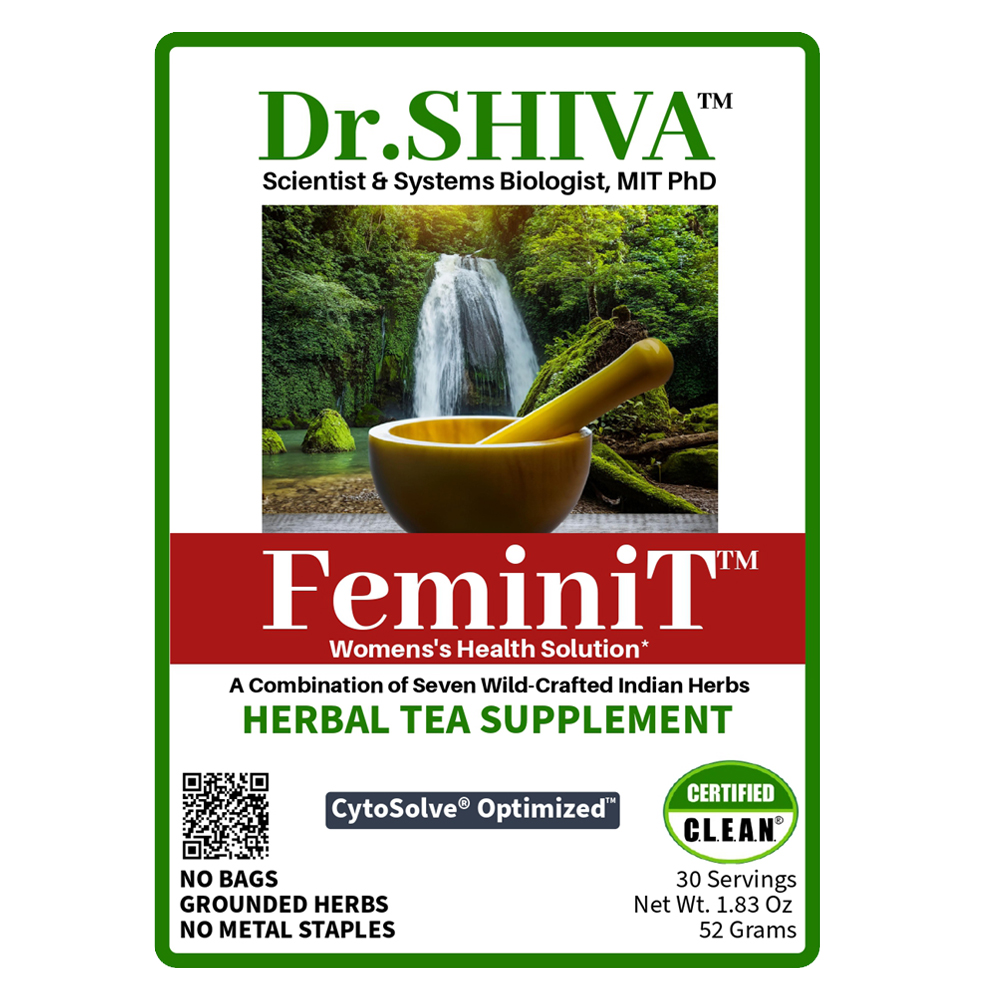
This approach replaces generalized advice with informed choice. It empowers individuals to participate actively in their health decisions rather than outsourcing judgment to an authority.
Integration Into Real-World Women’s Health Strategies
Black Cumin is most effective when integrated into broader lifestyle and nutritional strategies. Its benefits amplify when combined with anti-inflammatory dietary patterns, adequate micronutrient intake, sleep regulation, stress reduction, and physical activity.
From a systems perspective, interventions compound. Supporting mitochondrial function enhances antioxidant capacity. Reducing inflammatory load improves insulin sensitivity. Improving metabolic efficiency stabilizes hormonal signaling. Black Cumin contributes meaningfully within this web, but it is not a standalone solution.
This integration mindset counters the consumerist tendency to seek singular fixes. Health emerges from coherent patterns, not isolated products.
Why “Natural” Does Not Mean Universal
A persistent misconception in wellness culture is that natural substances are universally appropriate. This belief ignores individual variability and undermines credibility. Systems biology rejects such absolutism.
Black Cumin’s strength lies in its specificity. It acts on defined molecular pathways with measurable effects. That specificity demands discernment. Used thoughtfully, it supports resilience. Used indiscriminately, it may create an imbalance.
Education, not enthusiasm, determines outcome.
Ethical Innovation and the Future of Women’s Health
The integration of botanical systems like Black Cumin into women’s health represents more than a therapeutic shift. It signals an ethical realignment. Instead of proprietary secrecy and dependency, systems-based approaches emphasize transparency, participation, and empowerment.
Women’s health has long been fragmented, commercialized, and politicized. Systems science offers a way to restore coherence—biological, intellectual, and ethical. Black Cumin’s journey from traditional medicine to computational modeling exemplifies this possibility.
Synthesis: Black Cumin as a Systems-Level Intervention in Women’s Health
When examined through the lens of systems science, Black Cumin is neither a folk remedy nor a pharmaceutical surrogate. It is a biologically coherent intervention whose effects emerge from alignment with how living systems regulate themselves. Its value lies not in the promise of a cure, but in its capacity to restore balance across interconnected physiological domains that govern women’s health.
Women’s health challenges are rarely isolated events. They represent system-wide dysregulation shaped by chronic inflammation, oxidative stress, metabolic imbalance, hormonal feedback disruption, immune instability, and environmental load. Black Cumin interfaces with each of these domains simultaneously, not by force, but by modulation. This distributed influence reflects evolutionary compatibility rather than chemical domination.
From inflammatory control through NF-κB inhibition, to redox stabilization via Nrf2 activation, to metabolic normalization and suppression of pathological cellular plasticity, Black Cumin operates across biological layers that reductionist medicine often treats separately. Systems science reveals why these effects compound rather than conflict.
Why This Approach Represents a Paradigm Shift
The prevailing biomedical paradigm prioritizes isolated targets, proprietary molecules, and symptom-based endpoints. While effective in acute interventions, it falters in chronic, multifactorial conditions that define women’s health in the modern era. The repeated failure to meaningfully reverse conditions such as PCOS, metabolic syndrome, autoimmune disorders, and aggressive breast cancers is not accidental. It is structural.
A systems-based approach replaces linear causality with network dynamics. It recognizes that diseases persist because feedback loops stabilize pathological states. Intervention, therefore, must destabilize those loops without triggering compensatory collapse. Botanical systems like Black Cumin are uniquely suited to this task because they evolved alongside biological complexity rather than against it.
This paradigm shift also challenges economic incentives. Systems-based, open, nature-aligned interventions do not lend themselves easily to monopolization. As a result, they have been marginalized despite scientific support. Reintegrating them requires not only scientific rigor, but institutional courage.
Limitations and Scientific Honesty
No intervention is universal, and Black Cumin is no exception. Systems science demands intellectual honesty. The current body of research, while substantial, still has limitations. Many clinical studies involve small sample sizes, short durations, or heterogeneous populations. Mechanistic insights, though compelling, continue to evolve.
Black Cumin should not be positioned as a replacement for medical care, nor should its benefits be exaggerated beyond evidence. Its role is supportive, modulatory, and contextual. It may reduce disease pressure, improve resilience, and enhance responsiveness to other interventions, but it is not a singular solution.
Acknowledging these limitations does not weaken the case for Black Cumin. It strengthens it by grounding enthusiasm in evidence rather than ideology.
Future Directions in Women’s Health Systems Research
The future of women’s health lies in integration rather than fragmentation. Computational systems biology platforms enable the modeling of complex interactions that were previously inaccessible. As datasets expand and modeling fidelity improves, predictive accuracy will increase.
Future research should focus on multi-compound interactions, long-term outcomes, stratified populations, and integration with lifestyle and environmental variables. Women’s health initiatives that combine open science, computational modeling, and ethical innovation have the potential to redefine how health solutions are discovered and deployed.
Black Cumin serves as a proof of concept. It demonstrates that ancient knowledge and modern science are not opposites, but complements when unified through systems thinking.
Empowerment as the Ultimate Outcome
Beyond biochemistry and modeling, the most profound outcome of this approach is empowerment. Systems literacy enables individuals to understand their bodies not as collections of failures, but as adaptive systems responding to stress, input, and environment.
Women equipped with systems knowledge are no longer passive recipients of protocols. They become informed participants capable of discerning what aligns with their biology and what does not. This shift restores agency in a healthcare landscape that often removes it.
Black Cumin, contextualized properly, becomes part of that educational journey rather than a consumer product.
Final Integrative Conclusion
Black Cumin occupies a rare position in modern health science. It is ancient yet current, simple yet complex, gentle yet powerful. Its relevance to women’s health emerges not from hype, but from alignment with biological reality.
Through systems science, we can now understand why this alignment matters. Health is not achieved by domination of pathways, but by restoration of coherence. Black Cumin contributes to that coherence by stabilizing inflammation, oxidative stress, metabolism, and cellular signaling within the broader architecture of women’s physiology.
The lesson extends beyond this single herb. It challenges us to rethink how health solutions are discovered, evaluated, and applied. When science honors complexity, nature becomes an ally rather than an alternative.
In that alliance lies the future of women’s health.